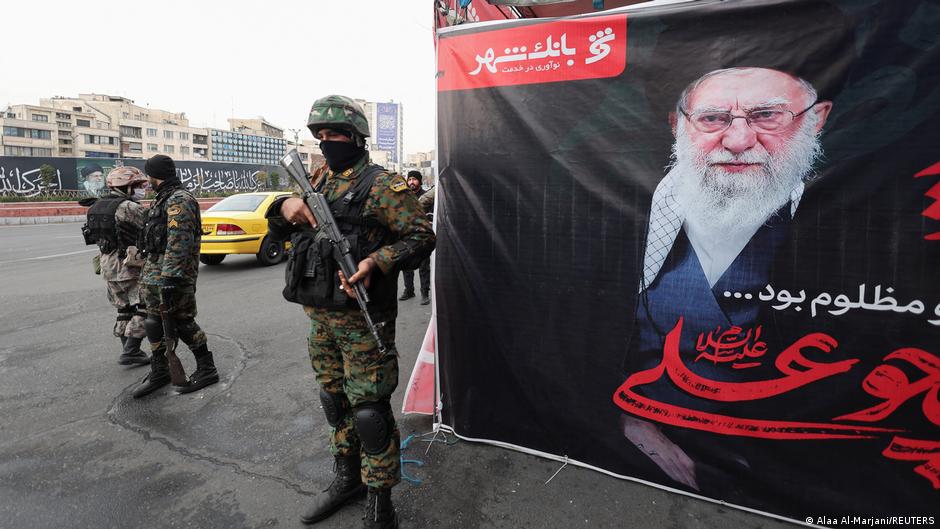
The conflict has entered its fourth week after targeted killings including Iran's supreme leader (Ali Khamenei killed Feb 28) and multiple senior officials, removing key interlocutors and reducing prospects for near‑term negotiations. Iran has blockaded the Strait of Hormuz and attacked energy infrastructure, driving higher energy prices that are fueling global inflation and economic uncertainty. Expect elevated market volatility, a sustained energy risk premium and a risk‑off environment until credible diplomatic channels reduce escalation risk.
The targeted removal of experienced interlocutors increases the probability of a protracted, attritional conflict measured in quarters rather than weeks; decision-making shifts toward organizational resilience and risk-tolerant operators who value endurance over compromise. That makes diplomatic windows rarer and amplifies non-military levers — insurance, shipping chokepoints, and sanctions workarounds — as the main battlegrounds where smaller policy moves produce outsized market effects. Energy markets will carry the immediate macro premium: expect war-risk and rerouting costs to add the equivalent of roughly $1–5/barrel to delivered crude for affected Asian/European flows over the next 1–3 months, and freight/insurance premia to spike materially for Gulf-to-East shipments. That favors producers with rapid volume optionality and constrained takeaway (US shale selective names) and creates arbitrage opportunities for refiners and buyers who can source discounted cargoes via intermediaries, while widening crack spreads in the near term. Financial markets will bifurcate: defense and security-related equities should rerate higher on a multi-quarter horizon, while EM credit and trade-linked cyclicals face outsized volatility and widening credit spreads. Inflation downside from energy-driven input shocks increases the odds of policy confusion — central banks facing sticky CPI and growth softening — which supports gold and nominative real assets as tail-risk hedges over the next 3–12 months.
AI-powered research, real-time alerts, and portfolio analytics for institutional investors.
Overall Sentiment
strongly negative
Sentiment Score
-0.75
Ticker Sentiment
