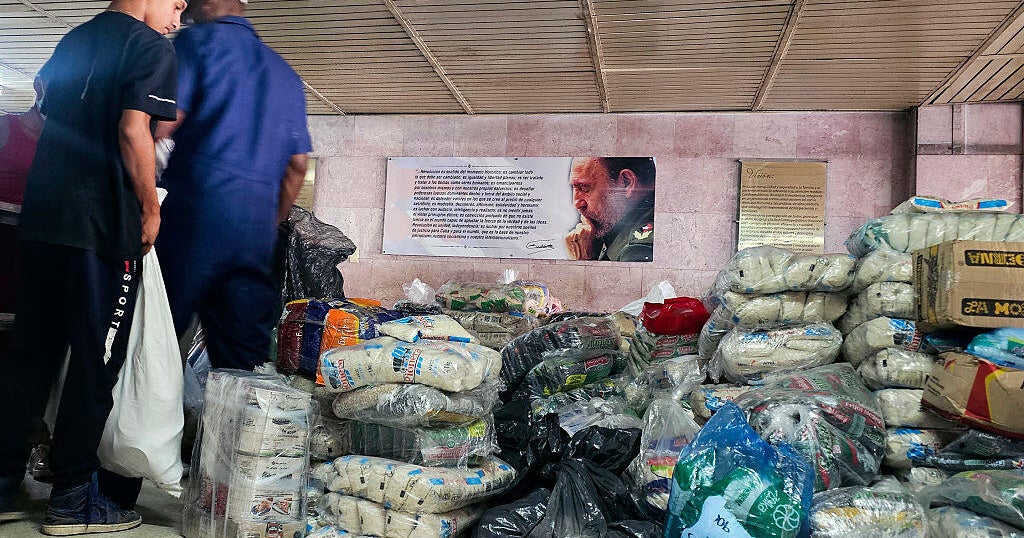
Two boats carrying humanitarian aid to Cuba that departed Isla Mujeres on March 20 are reported missing; the Mexican navy is searching the route to Havana by air and coordinating with regional naval commanders, search-and-rescue stations and diplomatic missions in Poland, France, Cuba and the U.S. Nuestra America Convoy says the vessels were part of its shipments, were equipped with safety and signaling gear and had not sent a distress signal. The shipments are occurring amid a Cuban fuel-supply crisis following a U.S. fuel embargo, which is the proximate reason for the aid convoys.
The most immediate market lever is insurance and risk premia rather than commodity fundamentals: localized spikes in political/piracy risk tend to reprice war-risk and political-risk premiums for small vessels quickly, often by 20–50% within days-to-weeks if perceived as persistent. Brokers and reinsurers capture the bulk of this repricing through fee and premium flows, so incremental EBITDA for large brokers can be front‑loaded and visible in quarterly revenues even if ultimate claims are low.
Energy effects are second‑order and geographically concentrated. Small disruptions that raise demand for ad hoc bunkering or island resupply can widen Gulf-to-Caribbean fuel spreads by an incremental $1–3/bbl (or ~$2–6/tonne for marine bunkers) for several weeks as cargoes are rerouted, favoring Gulf refineries with export flexibility and low inbound logistics costs. Sustained policy escalation would be needed to move global refined-product crack spreads materially beyond that short window.
Shipping and logistics dislocations are the likely transmission mechanism to broader markets: small‑vessel owners will demand higher charter rates and stricter indemnities, pushing contract terms toward longer voyage guarantees and higher cancellation penalties; owners of versatile short-sea tonnage (coasters, product tankers) stand to see dayrates move 10–30% if risk aversion persists. The true tail risk is legal/political escalation—detentions, interdictions, or sanctions enforcement actions—which would shift these premium moves from weeks to months and potentially force players to reflag or alter trade lanes.
A contrarian reading is that markets will over-pay for permanence: absent sustained state-to-state escalation, most premium spikes mean‑revert within 2–6 weeks as insurers tighten terms rather than keep capital indefinitely at risk. That makes selective exposure to premium-collecting intermediaries (brokers, reinsurers) preferable to owning physical shipping assets which face operational seizure risk.
AI-powered research, real-time alerts, and portfolio analytics for institutional investors.
Request DemoOverall Sentiment
neutral
Sentiment Score
0.00
