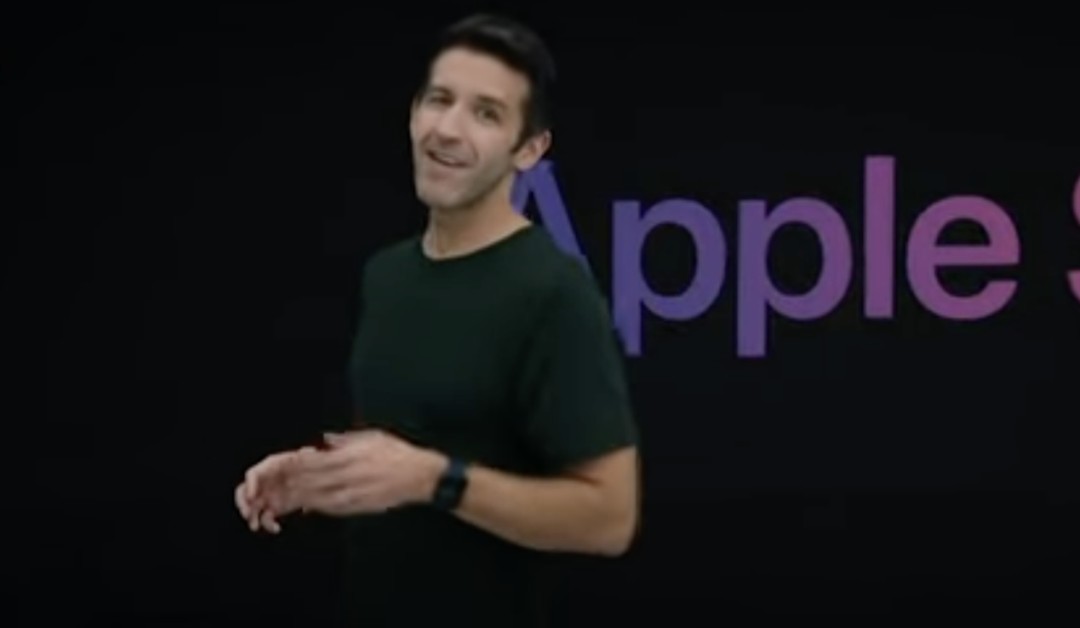
80% of Apple's revenue comes from devices overseen by John Ternus, who is widely viewed internally as the leading candidate to succeed Tim Cook. Ternus is credited with reversing product quality issues and delivering the Mac transition to Apple silicon, but critics say he has not produced a breakthrough new product category or a convincing AI strategy. Cook prefers a homegrown heir but signals no imminent handoff; succession talk is noteworthy for governance but unlikely to materially affect near-term fundamentals.
An engineering‑centric internal succession path at a large consumer electronics company tends to produce operational continuity rather than strategic rupture. That lowers short‑term execution risk for contract manufacturers and wafer fabs — allowing fabs to keep utilization and near‑term capex plans intact — but it also increases the probability of incremental, not transformational, product roadmaps over the next 12–36 months.
Continuity biases the company toward on‑device hardware solutions and bespoke silicon rather than aggressive cloud‑first AI platform plays. Second‑order winners are edge‑AI IP, power‑efficient accelerator designers and mature foundry/equipment vendors that can ramp iterative silicon (TSM/ASML/LRCX), while large cloud GPU vendors see slower incremental TAM capture from this firm if it doubles down on local inference.
Market timing hinges on visible succession signals and product milestones. If the succession is telegraphed and roadmap clarity improves, multiples could re‑rate within 3–12 months as execution risk falls; conversely, an external hire, major product miss or an obvious AI strategy gap could compress multiples 10–20% over 6–12 months. Watch corporate governance disclosures, WWDC and supply‑chain order flows as the primary near‑term catalysts to resolve the ambiguity.
AI-powered research, real-time alerts, and portfolio analytics for institutional investors.
Overall Sentiment
neutral
Sentiment Score
0.00
Ticker Sentiment
