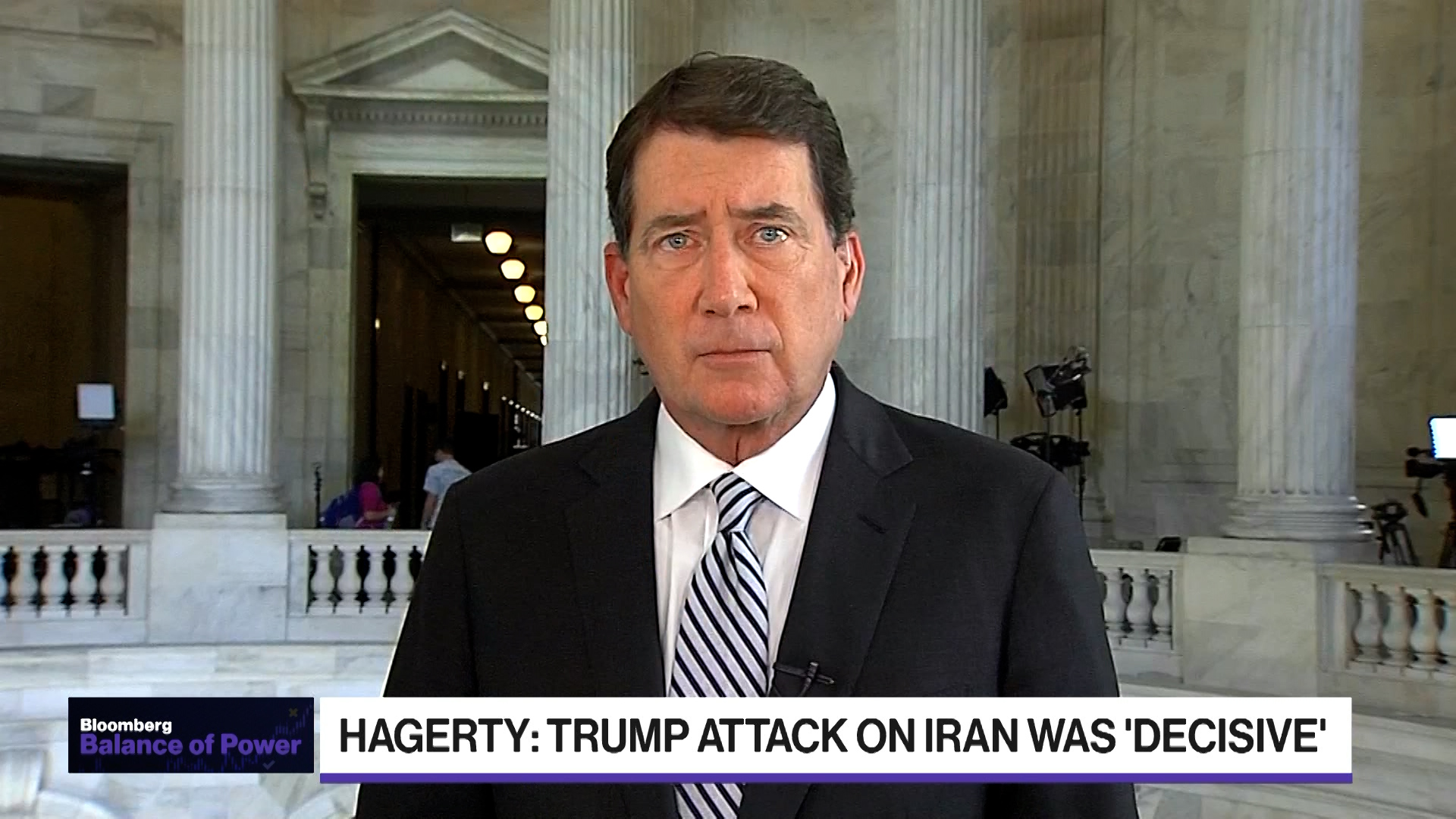
A Bloomberg report highlights Senator Hagerty's discussion on critical policy matters, encompassing current U.S. strategic direction, geopolitical developments concerning Iran, and the outlook for future tax legislation. This briefing is essential for investors assessing the potential market impact of evolving foreign policy and domestic fiscal reforms.
Senator Hagerty's recent comments, as reported by Bloomberg, bring to the forefront critical policy areas with direct implications for capital markets. The discussion encompasses geopolitical tensions with Iran and prospective domestic tax legislation, highlighting two significant sources of potential market volatility. While the immediate market impact is assessed as low and the sentiment neutral, the commentary serves as a key indicator of the legislative and foreign policy agenda. Investors should view this as a signal to monitor developments in U.S.-Iran relations, which could affect energy markets and defense sector valuations, as well as the trajectory of U.S. fiscal policy, which has broad implications for corporate earnings, consumer spending, and overall economic growth.
AI-powered research, real-time alerts, and portfolio analytics for institutional investors.
Request DemoOverall Sentiment
neutral
Sentiment Score
0.00
