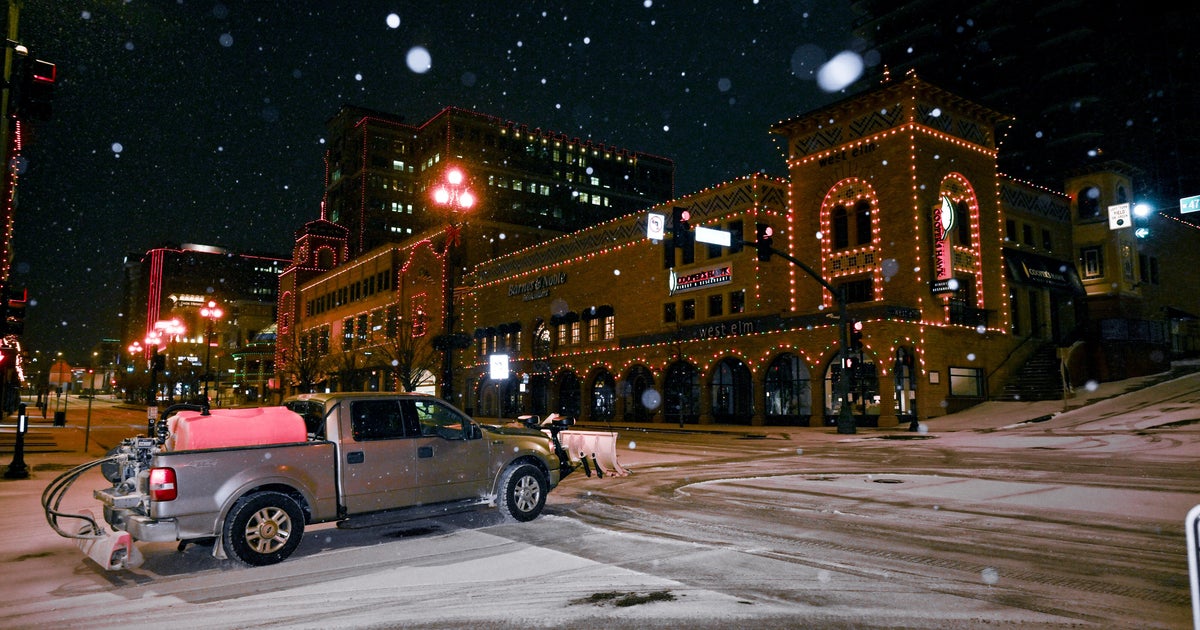
A massive winter storm is forecast to impact more than 200 million people across the U.S., prompting at least 17 states and Washington, D.C. to declare states of emergency and nine states to activate their National Guards. More than 9,000 U.S. flights were canceled over the weekend (over 3,300 on Saturday and more than 5,900 on Sunday), major airports reported multi-decade high cancellation rates (DFW 75%, Nashville 59%), and power outages are already significant (39,000+ in Texas) with heavy ice and frigid temperatures threatening extended outages and public-safety risks. Hedge funds should monitor short-term downside to airline and airport operations, regional economic activity, utilities and energy demand, and potential insured-loss flow from prolonged outages and transportation disruption.
Market structure: Airlines and short-turn travel services are immediate losers — expect measurable revenue deferral and higher operating costs (de-icing, crew hoteling) over the next 3–10 days; Southwest (LUV) is particularly exposed given high cancellation counts and sentiment (-0.55). Utilities and fuel suppliers see short-term demand spikes for electricity and heating fuels; power equipment vendors and nat‑gas suppliers gain pricing power for days–weeks as outages and cold drive load. Cross-asset: expect higher short-dated implied volatility in airline equities and options, a 1–3% move higher in regional muni credit spreads if outages damage municipal infrastructure, and a 3–8% nat‑gas pop in nearby futures on colder-than-normal forecasts.
Risk assessment: Tail risks include multi-day statewide outages (repeat of 2021 Texas) that could trigger regulatory probes, large insurance losses, or emergency federal aid — these would play out over weeks–months and raise capex for grid hardening. Hidden dependencies include generator fuel logistics (propane/NG) and local labor constraints for restoration; if restoration lags >72 hours in populous metros, mortality and liability costs spike. Catalysts that could accelerate effects are consecutive arctic waves, supply-chain limits on de‑icing supplies, or >5,000 flight cancellations/day sustaining negative pricing pressure on LUV.
Trade implications: Tactical, short-dated put spreads on LUV (30–45 day) capture downside while capping capital; long exposure to nat‑gas (UNG call spreads 30–60 day) hedges heating demand; modest long position in defensive utilities (XLU or NEE) for 1–3 months to capture grid-repair flows and stable cash yields. Pair idea: long XLU (3% portfolio) vs short LUV (1–2% portfolio) to express flight disruption vs utility resilience. Use options on LUV for skew trade: buy 45-day 10% OTM put spread sized to 1–1.5% notional, sell premium if IV >40%.
Contrarian angle: Consensus may overprice permanent demand loss for airlines — cancellations are transitory and rescheduling mitigates revenue loss, so avoid large directional shorts beyond 30–60 days. Conversely, the market may underprice structural grid investment upside if regulators push for accelerated hardening — select utilities and transmission contractors could outperform for quarters. Historical parallels (2021 Texas) show outsized policy responses follow systemic outages; monitor legislative windows (30–90 days) for infrastructure funding signals that would re-rate related equities.
AI-powered research, real-time alerts, and portfolio analytics for institutional investors.
Request DemoOverall Sentiment
moderately negative
Sentiment Score
-0.45
Ticker Sentiment
