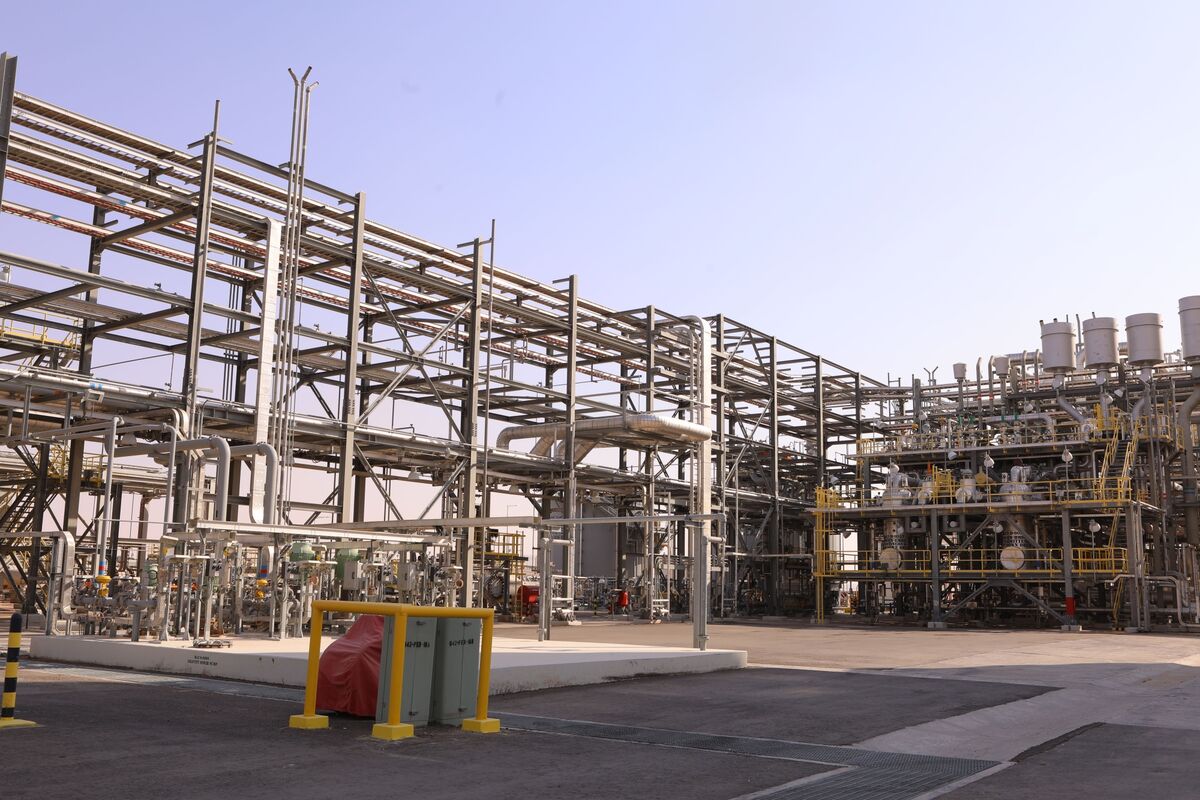
Saudi Arabia's seaborne oil flows maintained elevated rates into early July, averaging 6.43 million barrels per day, positioning them for a 16-month high. This sustained supply surge follows increased production last month, attributed to heightened regional tensions, and suggests continued market saturation despite the preliminary nature of the two-week data.
Saudi Arabia's seaborne oil exports are maintaining elevated levels into early July, with vessel tracking data indicating average flows of 6.43 million barrels per day for the first half of the month. This volume is on course to register a 16-month high, signaling a significant and sustained increase in supply to the global market. The surge follows a production hike initiated by the kingdom in the prior month, a move explicitly linked to heightened regional geopolitical tensions. This sustained high output from a primary OPEC producer suggests a well-supplied market, which typically exerts downward pressure on crude prices. However, it is important to note the preliminary nature of this data, as it is based on a limited two-week snapshot and the final monthly figure could be revised.
AI-powered research, real-time alerts, and portfolio analytics for institutional investors.
Request DemoOverall Sentiment
neutral
Sentiment Score
0.00
