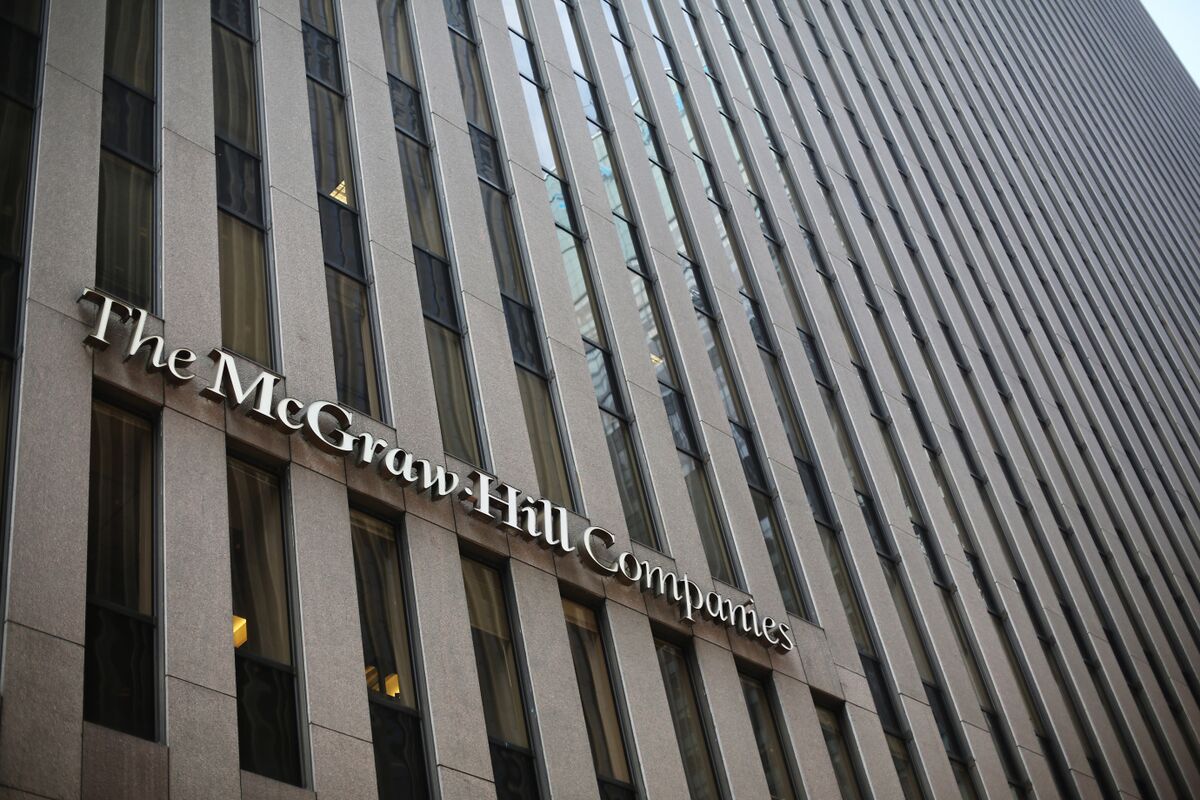
Education technology firm McGraw Hill Inc. raised $414.6 million in its US initial public offering, selling 24.39 million shares at $17 each. This pricing was notably below its marketed range of $19 to $22, suggesting a more conservative valuation or potentially weaker investor demand than initially sought for the offering.
McGraw Hill Inc. successfully raised $414.6 million in its initial public offering, but the pricing signals potential weakness in investor demand. The company sold 24.39 million shares at $17 each, a price point notably below the marketed range of $19 to $22 per share. This represents a discount of at least 10.5% from the bottom end of the initial target, suggesting that underwriters needed to lower the valuation to fully subscribe the offering. While the IPO provides the education technology firm with significant capital, the failure to price within the expected range indicates a more conservative or skeptical market reception than management had anticipated. This outcome aligns with the neutral sentiment signal, reflecting the dual nature of a completed IPO that nonetheless had to accept a valuation haircut.
AI-powered research, real-time alerts, and portfolio analytics for institutional investors.
Request DemoOverall Sentiment
mixed
Sentiment Score
0.00
