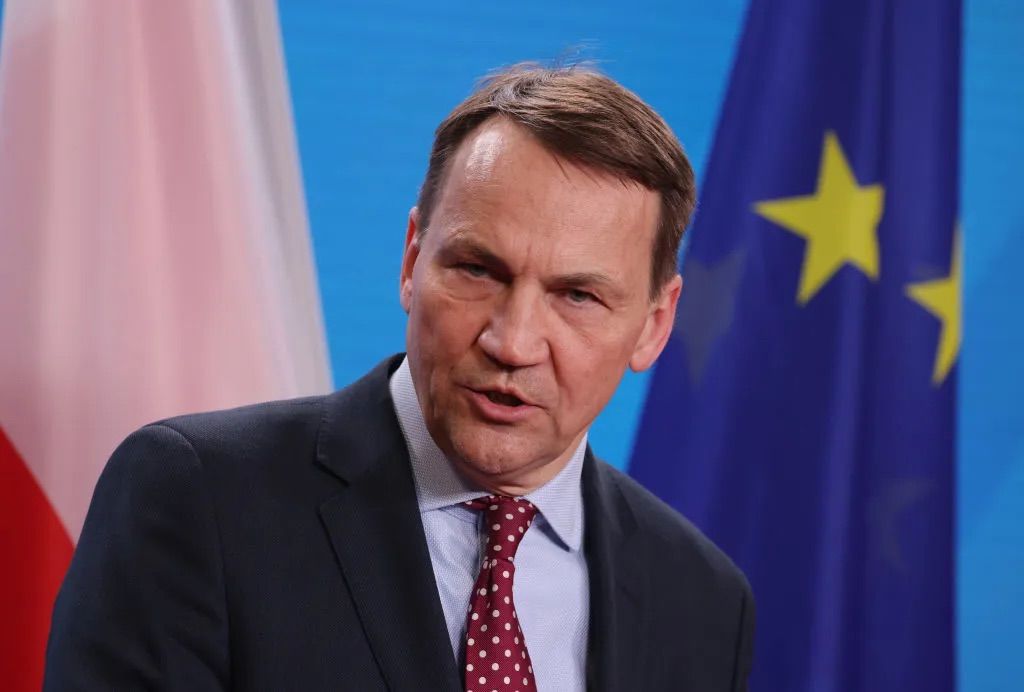
Polish Foreign Minister Radoslaw Sikorski signaled possible reconciliation with Slovak PM Robert Fico if Slovakia stops obstructing EU aid to Ukraine, noting Fico has recently softened his tone. Fico is still expected to attend Russia's May 9 Victory Day events in Moscow, while tensions remain elevated after the Druzhba oil pipeline disruption in January. The article underscores shifting EU alignment on Ukraine and Russia, but has limited direct market impact.
This is less about diplomatic optics and more about whether EU coalition risk around Ukraine funding is peaking. The marginal market impact is in the probability-weighted continuation of aid flows: if Bratislava softens and Budapest’s next government cooperates, the biggest overhang on near-term European support becomes procedural friction rather than veto risk. That matters most for defense supply chains, border-security contractors, and Ukraine-exposure names where sentiment has been held back by headline risk rather than fundamentals.
The second-order effect is on energy and logistics, not just geopolitics. Any easing in internal EU discord reduces the probability of ad hoc disruptions to sanctions enforcement, transit policy, and energy infrastructure rhetoric; that lowers tail risk premia for Central European assets, especially utilities and pipeline-linked proxies that have been trading on event risk rather than cash flow. A thaw also weakens the case for a broader “fracturing Europe” trade, which has been a hidden support for defensive USD and safe-haven positioning.
The key catalyst horizon is days to weeks, not months: the market will care most about whether Slovakia refrains from actively obstructing Ukraine aid at the next EU decision point. The larger tail risk is that this is only tactical repositioning and could reverse quickly if domestic politics in Bratislava or Budapest harden again. Consensus is likely overreading this as durable normalization; the more relevant signal is whether rhetoric converts into votes, because without that the investable implication is only a temporary compression of geopolitical risk premium.
AI-powered research, real-time alerts, and portfolio analytics for institutional investors.
Overall Sentiment
neutral
Sentiment Score
0.05
Ticker Sentiment
