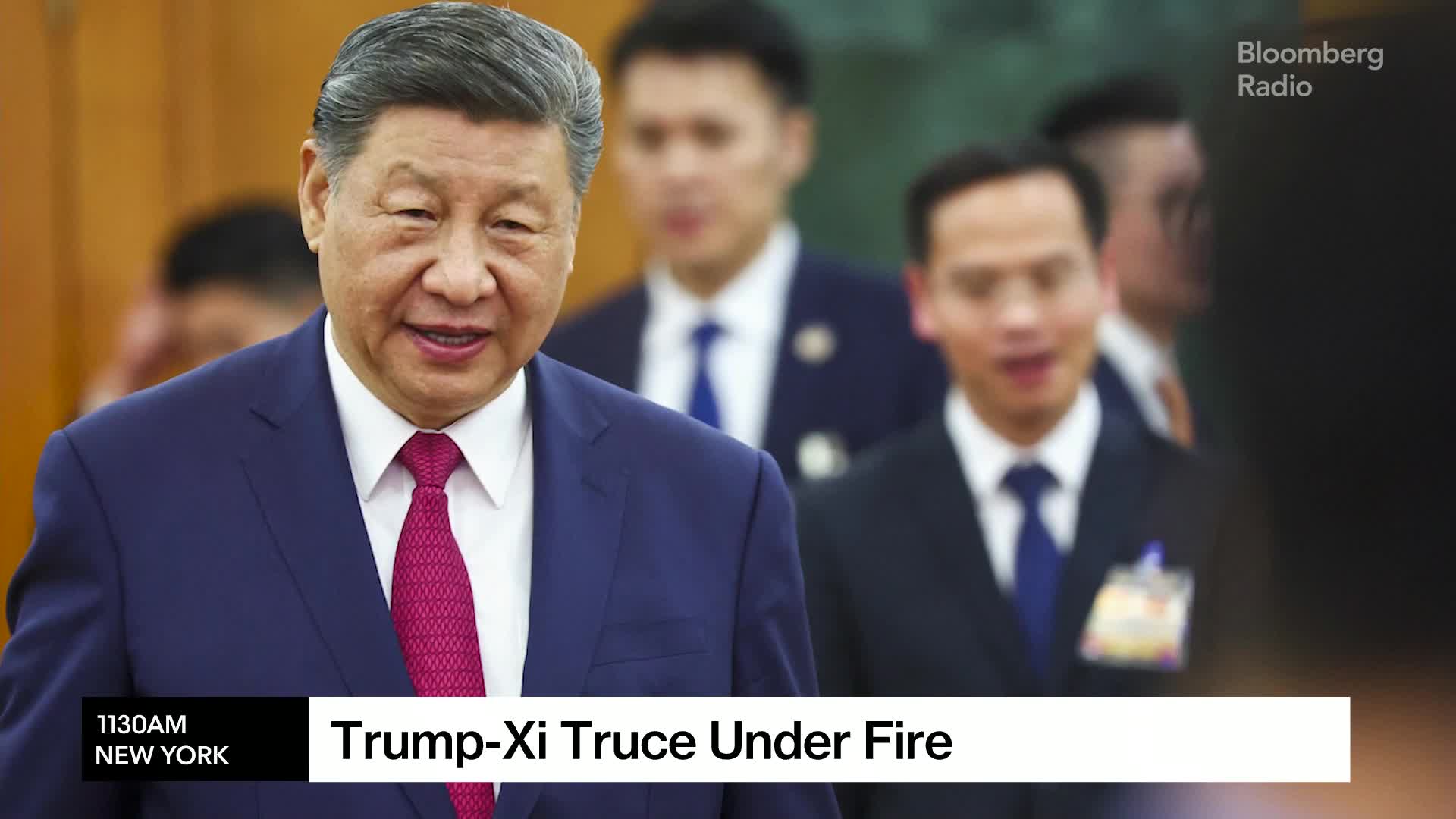
Escalating tensions between the U.S. and China are extending beyond trade to encompass technology and academic sectors, with China hawks in the U.S. increasingly scrutinizing Chinese students and technology transfers, raising concerns about intellectual property theft and national security risks. This expanded focus could lead to further restrictions on academic exchanges and technology collaborations, potentially impacting U.S. universities and tech companies reliant on Chinese talent and markets, while further straining the already complex U.S.-China relationship.
The escalating U.S.-China tensions are broadening beyond traditional trade disputes to directly target the technology and academic sectors, driven by U.S. concerns over intellectual property theft and national security risks associated with Chinese students and technology transfers. This development, characterized by a "hawkish" tone and a "strongly negative" sentiment score of -0.7, signifies a material intensification of geopolitical friction. The potential for further restrictions on academic exchanges and technology collaborations could adversely affect U.S. universities and technology companies that rely on Chinese talent, research partnerships, or market access. This expansion of conflict into areas vital for innovation and growth, underscored by themes like "Sanctions & Export Controls" and "Technology & Innovation," carries a notable market impact score of 0.65, indicating significant investor concern regarding the future of U.S.-China economic and technological interdependence.
AI-powered research, real-time alerts, and portfolio analytics for institutional investors.
Request DemoOverall Sentiment
strongly negative
Sentiment Score
-0.70
