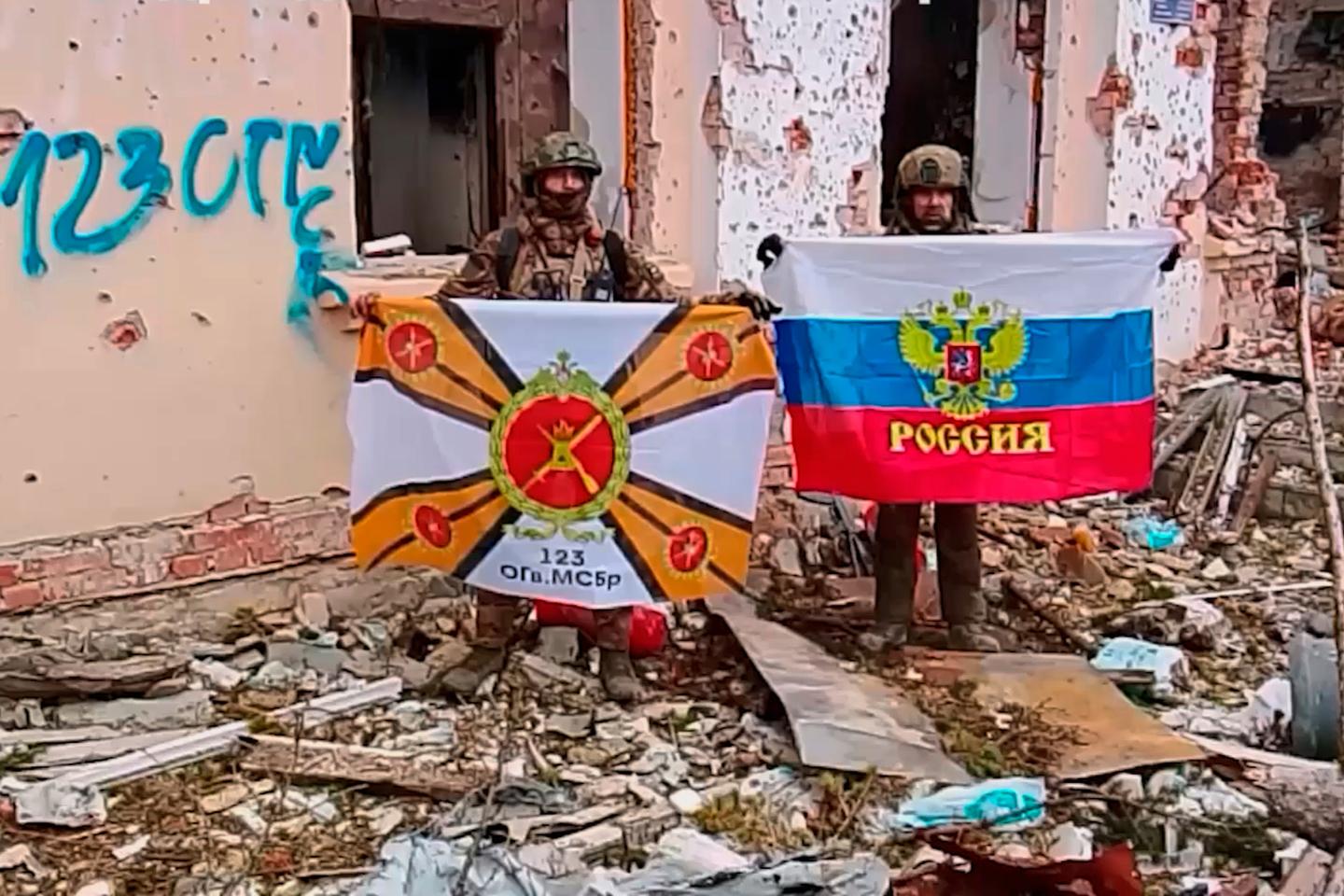
On December 23 Ukrainian forces completed a withdrawal from Siversk after months of intense urban combat, ceding a town that had about 11,000 inhabitants before the full-scale invasion and removing a bastion that had helped blunt the Russian advance toward Sloviansk and Kramatorsk. With Pokrovsk and Myrnohrad also reported to be on the verge of falling, Sloviansk and Kramatorsk are now the last major Donetsk conurbations under Ukrainian control; the article notes Russia's slow, costly advance (three and a half years to gain 12 km from Lysychansk) and prior premature Russian claims of victory in November.
Market structure: The fall of Siversk is a tactical Russian gain that benefits defense contractors, ammunition producers and energy exporters via a modest geopolitical risk premium. Expect 3–9 month demand shocks for artillery, air-defense and precision munitions that can allow suppliers to raise prices/margins by ~5–15% versus pre‑conflict baselines; Ukrainian reconstruction and regional banks are clear losers as capital and labor are diverted.
Risk assessment: Near-term (days–weeks) expect volatility spikes in equities and energy; medium-term (3–12 months) the binding risk is munitions supply-chain bottlenecks and Western budget approvals delays, while long-term (12–36 months) elevated defense budgets in EU/US (potentially +5–15%) are plausible. Tail risks: wider NATO involvement, Russian counter-sanctions on energy pipelines, or a rapid ceasefire — any could reverse premiums quickly.
Trade implications: Favor selectively sized, time-limited exposures: asymmetric option plays on defense names and modest commodity longs while hedging with duration. Avoid outsized convulsive bets on EMs near the front; liquidity and sanctions risk create execution friction and FX tails (RUB downside, EUR mildly pressured).
Contrarian angles: Markets may overprice a steady Russian breakthrough — attrition and logistics suggest prolonged grinding rather than rapid conquest, so pure long single-stock exposure is risky. Use spread structures to capture defense upside while capping drawdowns; monitor contract awards, TTF/Brent moves >+15% and NATO aid votes as catalytic triggers.
AI-powered research, real-time alerts, and portfolio analytics for institutional investors.
Request DemoOverall Sentiment
moderately negative
Sentiment Score
-0.40
