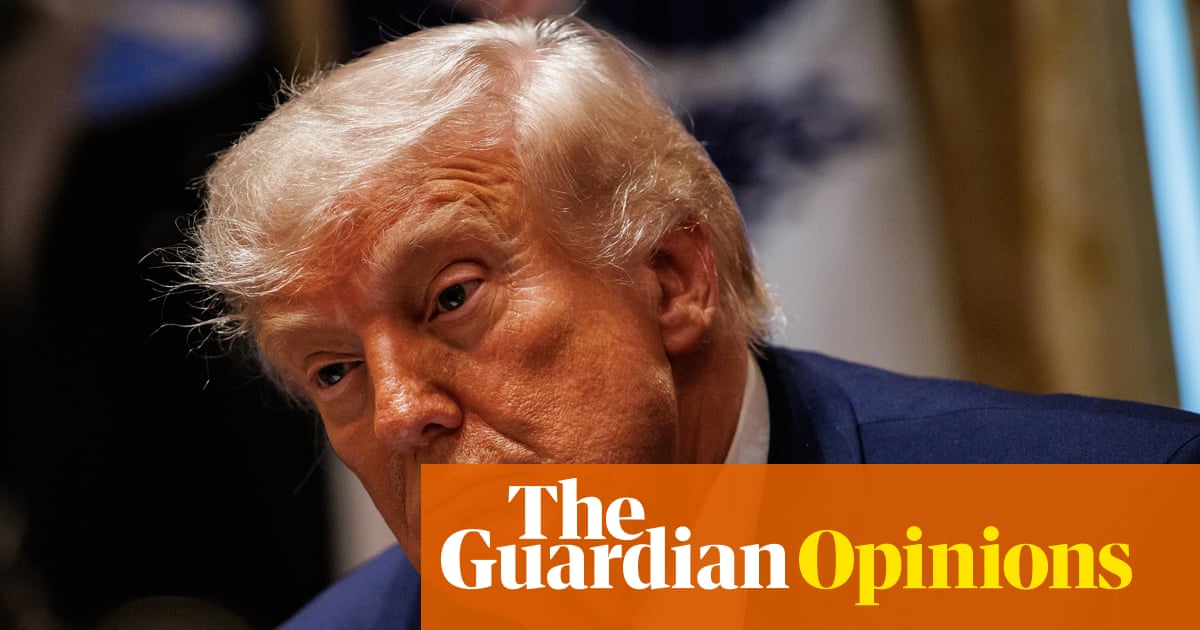
Trump’s Iran war has already driven a 50% jump in U.S. gas prices to nearly $4.50 per gallon and disrupted global energy flows by closing the Strait of Hormuz, through which more than 20% of world oil supply passes daily. The conflict has also weakened Gulf energy infrastructure and raised the risk of a broader global recession, even as a ceasefire and partial deal remain unresolved. A draft agreement would reopen shipping lanes and free about $12bn in frozen Iranian assets, but key issues around Iran’s nuclear and missile programs are still open.
The market implication is not simply “lower Middle East risk,” but a shift from acute supply shock to a chronic policy premium. If the ceasefire/diplomatic track holds, crude should mean-revert faster than implied vols, but the bigger second-order winner is the logistics stack: tanker rates, LNG shipping, and Gulf transshipment infrastructure can stay bid as traders price recurring disruption risk rather than a clean normalization. Conversely, the first assets to give back are the fastest beta expressions of war risk—front-end energy and defense—because they are most sensitive to any headline that reduces the probability of renewed strikes over the next 2-6 weeks.
The more important medium-term issue is that a limited deal can be bearish for “peace premium” assets while remaining structurally bullish for sanctions arbitrage and regional re-routing. Partial easing of frozen assets and port access would improve Iran’s cash flow without resolving nuclear or missile constraints, which means the trade is not an end to risk but a repricing of it. That favors EM credit and equities in import-dependent Asian economies only if the corridor stays open; otherwise, the market will be forced to reprice another supply shock with a lag of days, not months.
Consensus is likely underestimating how fragile any price relief is if the agreement is deliberately incomplete. A deal that postpones the hard issues creates a classic “sell the headline, buy the vol” setup: spot energy can soften, but implied volatility across oil, shipping, and defense should remain elevated because the next catalyst is a breakdown in talks, not a durable settlement. The contrarian view is that the market may be too focused on a binary ceasefire outcome and not enough on Iran’s improved leverage—meaning any renewed escalation could produce a larger, faster move than the first shock because positioning will be more complacent after initial relief.
AI-powered research, real-time alerts, and portfolio analytics for institutional investors.
Request TrialOverall Sentiment
strongly negative
Sentiment Score
-0.80
