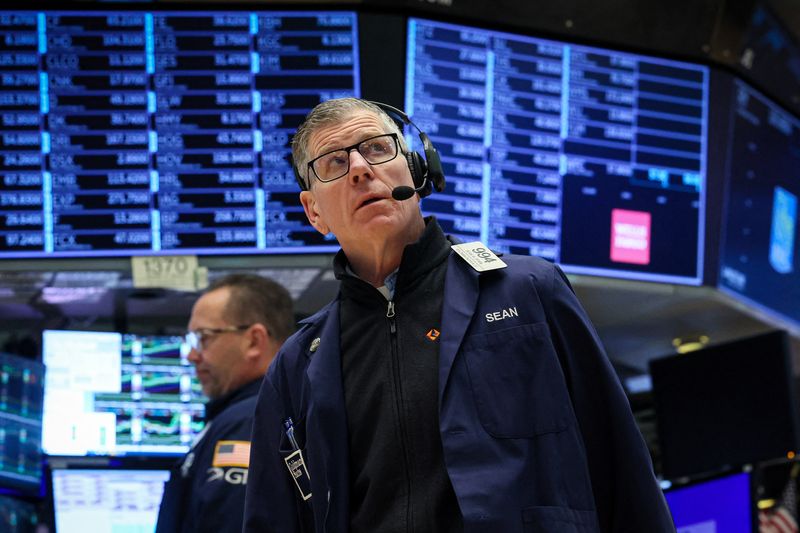
President Trump set an 8:00 p.m. ET Tuesday deadline for Iran to reopen the Strait of Hormuz, threatening strikes on power plants and bridges, which spurred a risk-off move in markets. S&P 500 futures fell ~0.3% to 6,603.0, Nasdaq 100 futures dropped ~0.2% to 24,175.75 and Dow futures slipped ~0.4% to 46,535.0, while oil prices rose more than 2% in Asian trading on concerns of a supply disruption. Separately, U.S. nonfarm payrolls increased by 178,000 in March and the unemployment rate eased to 4.3%, indicating labor-market resilience that may temper but not offset geopolitical-driven volatility.
The market reaction will be driven first by a liquidity/time premium rather than a new structural supply shock: a temporary Strait closure or targeted strikes creates a short-lived crude and tanker-rate spike within days, and pushes refining differentials wider (heavier Middle Eastern sour grades become less fungible to Atlantic refiners). Shipping reroutes (Cape of Good Hope) add 7–12 days roundtrip for VLCC/Suezmax voyages, mechanically reducing available tonnage and boosting TCEs — this is a concentrated, high-gamma event for tanker equities and freight derivatives, not a persistent demand story for crude producers.
Overlaying resilient U.S. payrolls amplifies the policy-risk mix: stronger labor data keeps the Fed's optionality limited, meaning equity multiples are vulnerable if oil-driven input costs rise while rates stay higher for longer. That combination (higher energy prices + sticky rates) favors real assets and convex option exposures over duration-sensitive defensives; it also increases credit spreads for marginal corporates and stresses inventory-heavy supply chains (container lines, integrated retailers) within 4–12 weeks.
Key catalysts and timeframes are compressed: immediate (48–96 hours) for headline-driven oil/vol moves and tanker TCE spikes; 1–6 weeks for freight-rate pass-through to consumer prices and corporate margins; 2–6 months for capex-driven supply responses or diplomatic de-escalation. The market is underpricing asymmetric upside in energy vol and tanker freight, and overpricing a persistent equity drawdown — so prefer option convexity and sectoral pairs to blunt binary political outcomes.
AI-powered research, real-time alerts, and portfolio analytics for institutional investors.
Overall Sentiment
strongly negative
Sentiment Score
-0.60
Ticker Sentiment
