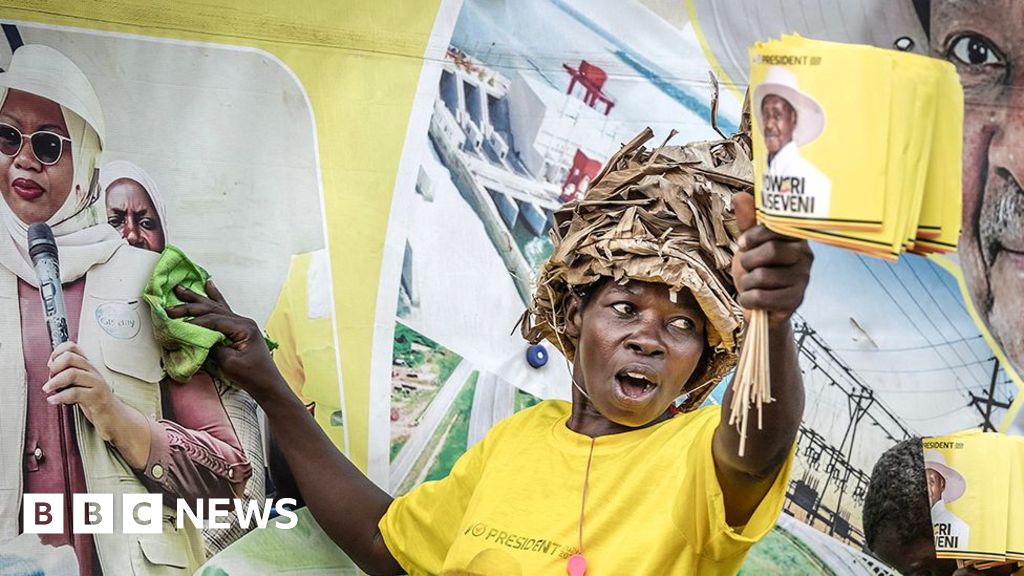
Uganda's presidential vote is a rematch between 81-year-old incumbent Yoweri Museveni, seeking a seventh term after four decades in power, and 43-year-old opposition leader Robert 'Bobi Wine' Kyagulanyi, in a campaign dominated by a very young electorate (median age 17). International observers and analysts warn the contest is tightly managed amid reports of repression, a 'heavily militarised' political environment, and succession manoeuvring around Gen Muhoozi Kainerugaba (including senior military reshuffles in March 2024), all of which elevate political risk and potential instability for investors in Uganda and the wider region.
Market structure: A secure NRM outcome or managed continuity preserves incumbent-aligned defense, security contractors and state suppliers while amplifying risk premia on frontier assets tied to Uganda and neighbouring East Africa. Expect a 3–8% widening in Uganda-specific risk spreads vs regional EMBI peers in the first 2–6 weeks if post-election repression or sanctions narratives intensify; risk-off flows will bid safe havens (USD, USTs, gold) and depress frontier ETFs (FM) and local-currency debt.
Risk assessment: Tail risks include a short, sharp uprising or targeted sanctions that freeze project finance (low probability, high impact) and a higher-probability outcome of persistent political suppression that raises governance-risk premiums for 6–18 months. Immediate timeline: days–weeks for FX and equities volatility; short-term: 1–3 months for commodity and project delays (oil/EACOP); long-term: 1–3 years for succession instability affecting military procurement and tranche-based foreign investment.
Trade implications: Tactical risk-off is warranted: hedge EM beta and increase liquid UST exposure while selectively going long hard-assets (gold). Avoid bilateral idiosyncratic exposure to Uganda-linked oil/infra until 90–180 days post-election or until international lenders/insurers issue clear go/no-go signals. Use short-dated options to monetize near-term volatility spikes rather than large directional bets in illiquid frontier names.
Contrarian angle: Consensus assumes predetermined outcome and contained spillovers — this underestimates disruption to project timelines (oil, infrastructure) and the enforcement cost of succession management inside the military. If Museveni secures a clear win with low unrest, EM risk premium can snap back quickly (mean-revert 50–70% of spread widening within 4–8 weeks), creating a short-term mean-reversion trade into beaten-down frontier assets.
AI-powered research, real-time alerts, and portfolio analytics for institutional investors.
Request DemoOverall Sentiment
moderately negative
Sentiment Score
-0.40
