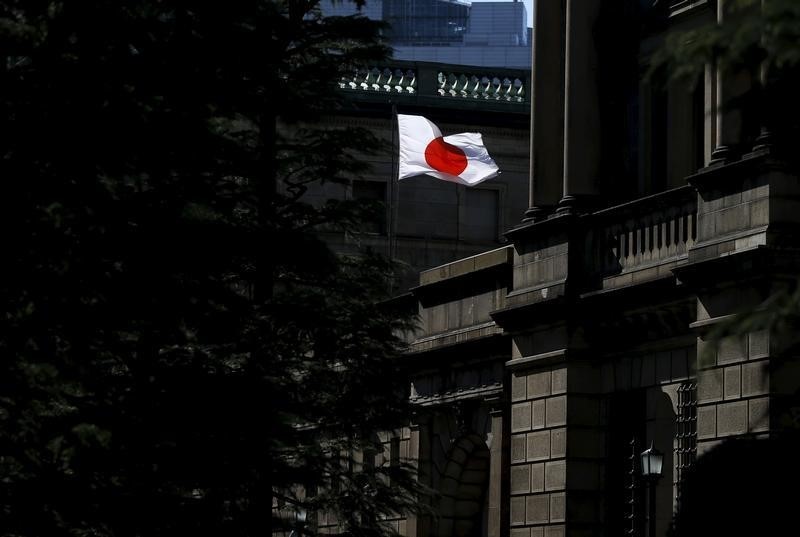
The Bank of Japan is widely expected to maintain its benchmark interest rate at 0.5% on Thursday, marking a fourth consecutive hold, primarily due to domestic political uncertainty and lingering U.S. trade tariff concerns. Despite this near-term caution, the BOJ is anticipated to retain a hawkish bias given persistent inflation, with analysts from ANZ and Capital Economics forecasting rate hikes as early as October and into 2026. While Japanese equities, including the Nikkei 225, are near record highs following a U.S. trade deal, an overly hawkish BOJ signal could trigger profit-taking and strengthen the yen, potentially impacting export-oriented stocks.
The Bank of Japan is poised to maintain its benchmark policy rate at 0.5% for a fourth consecutive meeting, a decision primarily driven by near-term uncertainties. Key among these are domestic political challenges, where the ruling Liberal Democratic Party's loss of its upper house majority could lead to policy gridlock, and lingering ambiguity in trade relations with the U.S., despite a recent deal, as a 15% tariff on Japanese exports remains. Notwithstanding this immediate caution, the central bank is expected to signal a hawkish bias due to persistent inflation. Sell-side analysts from firms like ANZ and Capital Economics are forecasting a resumption of rate hikes as early as October 2024, with further tightening into 2026. This outlook presents a critical juncture for Japanese markets; the Nikkei 225 and TOPIX indices have rallied to near-record highs, making them susceptible to profit-taking should the BOJ's forward guidance prove overly aggressive. Furthermore, any hawkish signals are likely to trigger an appreciation in the Japanese yen, creating a potential headwind for the export-oriented stocks that have benefited from recent currency weakness.
AI-powered research, real-time alerts, and portfolio analytics for institutional investors.
Overall Sentiment
mixed
Sentiment Score
0.05
Ticker Sentiment
