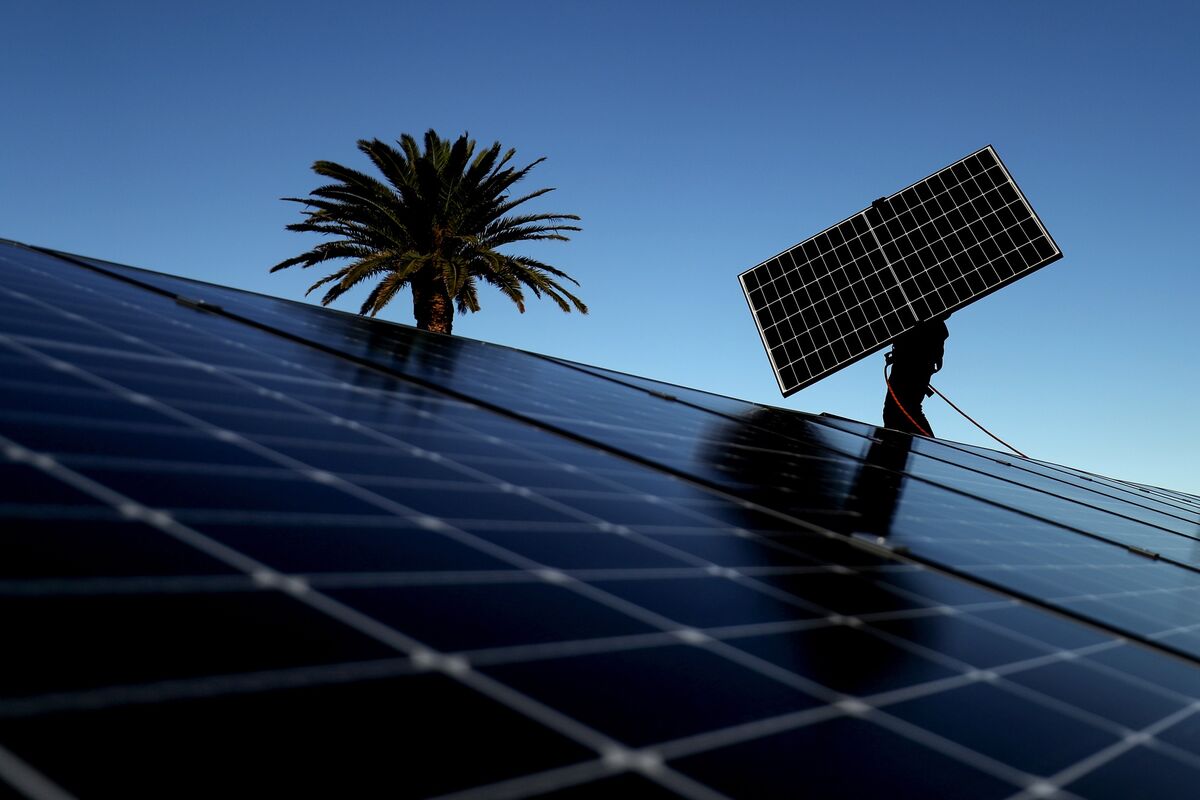
Australia's ASX has introduced new state-by-state peak load electricity futures contracts, specifically targeting morning (6 a.m. to 9 a.m.) and evening (4 p.m. to 9 p.m.) hours. This move is a direct response to the nation's significant rooftop solar boom, which has reduced midday peak demand, enabling market participants to more precisely hedge against power price volatility during periods when solar generation is low.
The Australian Securities Exchange (ASX) has introduced new, more granular peak load electricity futures contracts, a direct response to the structural impact of Australia's significant rooftop solar capacity on the energy market. By splitting the traditional peak hedging instrument into separate morning (6 a.m. to 9 a.m.) and evening (4 p.m. to 9 p.m.) contracts, the ASX is acknowledging that the solar-dominant midday period no longer exhibits the same price volatility. This development provides generators, retailers, and large consumers with more precise tools to hedge against price fluctuations, which are now concentrated in the hours before solar generation ramps up and after it declines. The introduction of these state-by-state futures signifies a maturation of the Australian energy derivatives market, enhancing risk management capabilities and reflecting the new grid dynamics imposed by the renewable energy transition.
AI-powered research, real-time alerts, and portfolio analytics for institutional investors.
Request DemoOverall Sentiment
moderately positive
Sentiment Score
0.50
