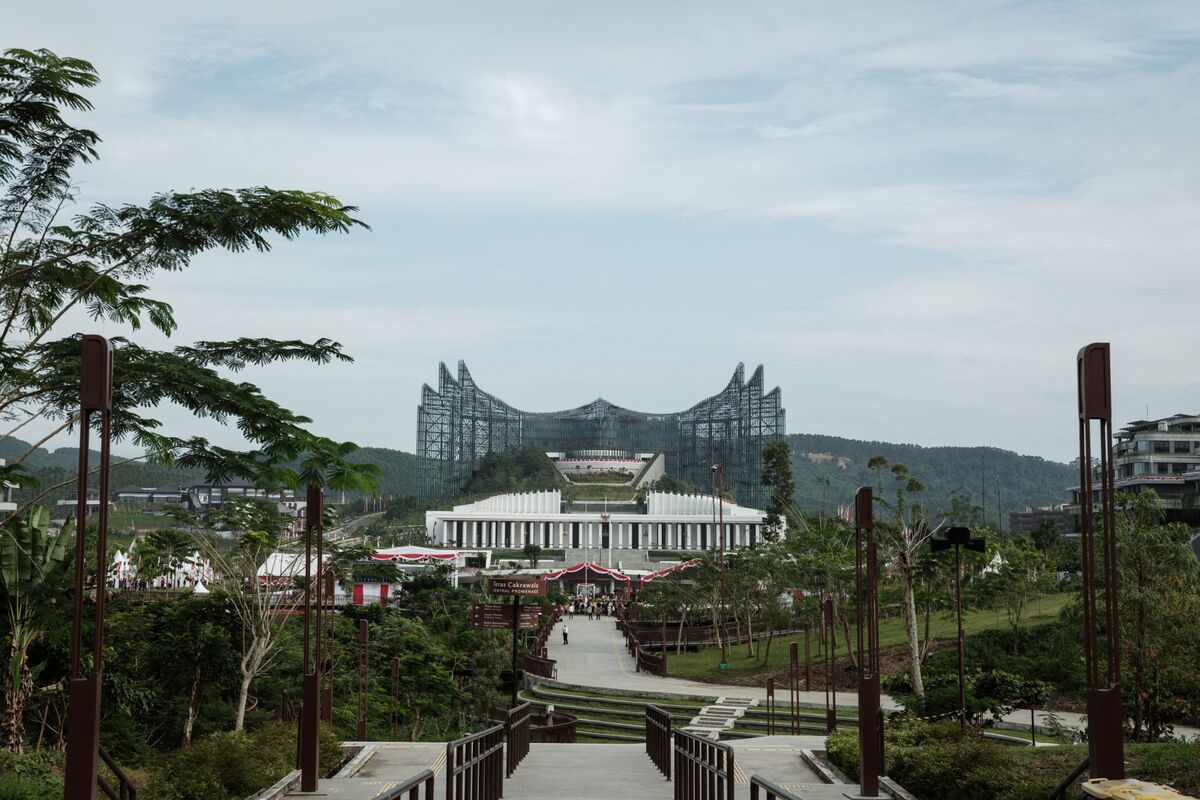
Indonesia's constitutional court has dealt a significant setback to the new capital city project, Nusantara, by striking down a provision that would have granted the government land-use rights for 190 years. The ruling now caps these land-use rights at 95 years, subject to periodic review, potentially complicating long-term investment and development plans for the ambitious infrastructure initiative.
The Indonesian Constitutional Court's decision to cap land-use rights for the new capital city Nusantara at 95 years, down from the proposed 190 years, represents a significant regulatory setback. This ruling, issued on Thursday, further mandates that these 95-year terms will be subject to periodic review, introducing considerable long-term tenure uncertainty. The overall sentiment surrounding this development is moderately negative, reflecting a pessimistic outlook for the project's stability.
This regulatory change, categorized under "Regulation & Legislation" and "Housing & Real Estate" themes, significantly complicates financial modeling for long-term infrastructure and real estate investments. Extended land rights are crucial for attracting substantial capital for such ventures, and the reduced duration, coupled with review clauses, heightens investor risk. The market impact is assessed as moderate, indicating broader implications beyond specific listed entities.
The ruling underscores the inherent regulatory and political risks associated with large-scale infrastructure projects in emerging markets like Indonesia. It highlights the need for robust due diligence on legal frameworks and political stability when evaluating government-backed initiatives. This development could influence broader investor confidence in Indonesia's project execution capabilities.
AI-powered research, real-time alerts, and portfolio analytics for institutional investors.
Overall Sentiment
moderately negative
Sentiment Score
-0.60
