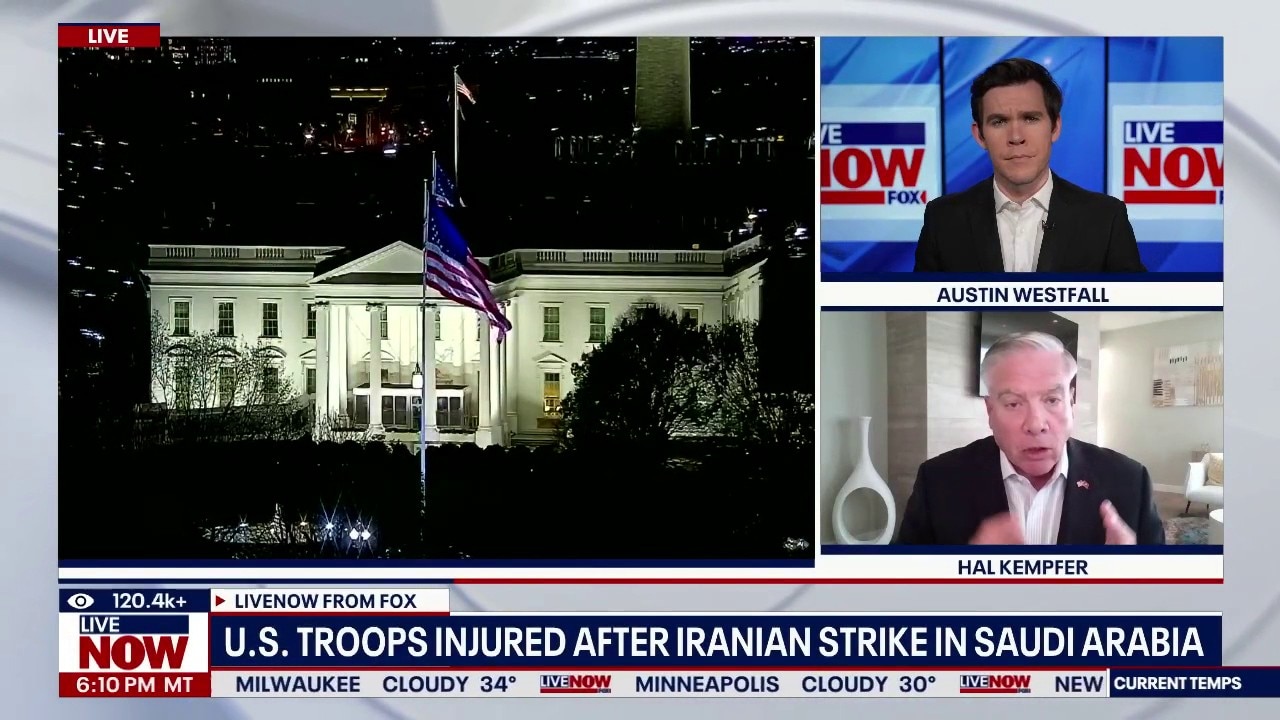
More than 1,900 people killed in Iran and over 1,100 in Lebanon as the conflict enters Day 29; at least 13 American troops killed and 15 U.S. service members wounded in a recent Iranian missile strike. USS Tripoli has arrived with ~2,200 Marines (Tripoli ARG ~3,500 personnel including ~1,200 ground troops from the 31st MEU) as the U.S. surges forces and Israel reports significant strikes on Iranian nuclear facilities. The entry of Yemen’s Houthi rebels and threats to Red Sea/Suez transit — which handles ~10% of global maritime trade and ~40% of container traffic — materially raises the risk of disruptions to oil/gas flows, shipping reroutes, higher insurance costs and upward pressure on energy and shipping-related markets.
Market reaction will bifurcate: energy producers and defense contractors capture near-term upside from risk premia while global trade flow incumbents (container lines, hub ports, ship insurers) face margin pressure from longer voyages, higher bunker costs, and rising war-risk premiums. A reroute around the Cape of Good Hope typically adds ~6–10 days and several hundred thousand dollars per VLCC voyage in fuel and schedule costs; that mechanical margin hit compoundingly compresses container carrier free cash flow and raises transhipment congestion at hub ports over months.
Insurance and reinsurance pricing is the lever to watch: war-risk premiums are sticky and can reprice fleets and cargo annually rather than monthly, meaning underwriters and brokers (and their equities) can realize outsized revenue within 3–12 months independent of immediate physical disruptions. Defence names benefit on a faster cadence — meaningful contract upgrades and congressional budget reauthorizations typically materialize within 1–6 months once a conflict is persistent and publicly validated.
Tail risks skew heavily to escalation: a sustained Red Sea/Suez disruption or strikes on Gulf export terminals could spike Brent toward $120–150/bbl within weeks and double spot tanker rates (TCs), while a rapid diplomatic ceasefire would unwind most of the premium in 30–90 days. The consensus underprices the duration of insurance repricing and the knock-on effects on global inventory turns; investors should plan for months, not days, of elevated costs and for cyclical winners (US E&P, defense) to outperform defensives in a risk-off macro backdrop.
AI-powered research, real-time alerts, and portfolio analytics for institutional investors.
Request DemoOverall Sentiment
strongly negative
Sentiment Score
-0.85
