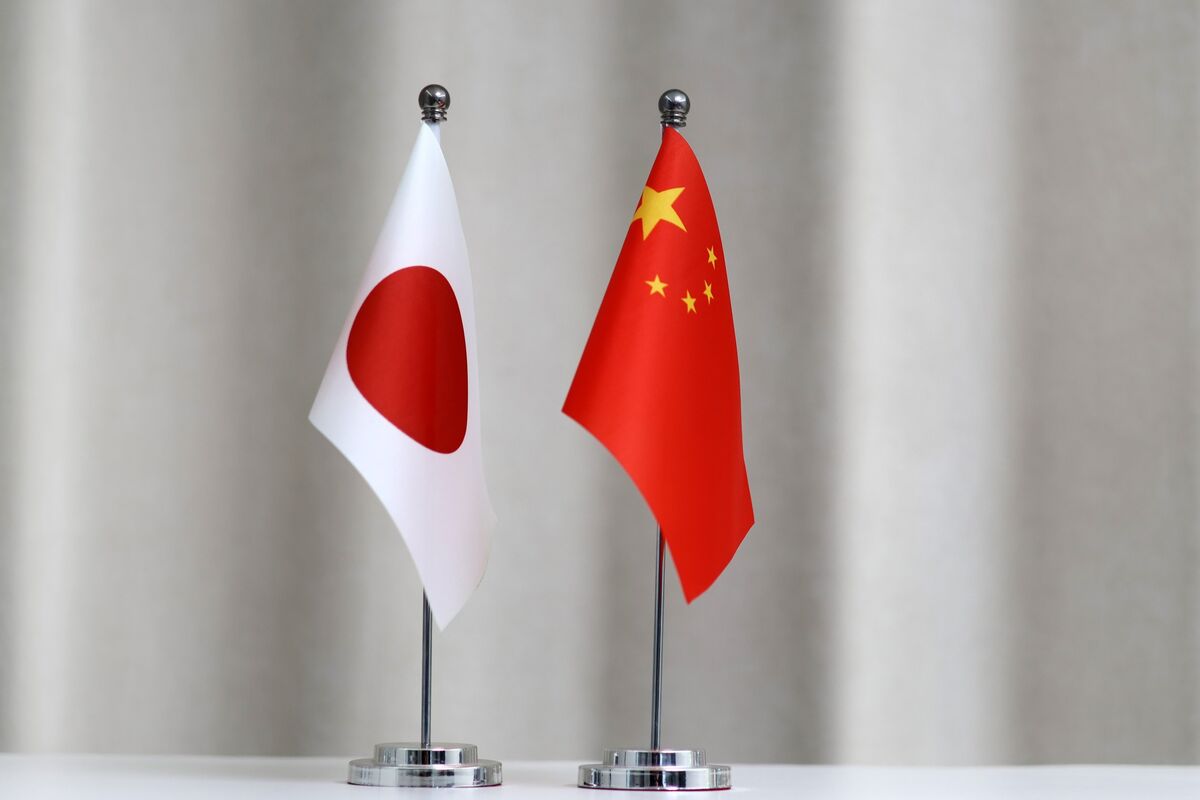
Chinese fighter aircraft trained fire-control radar on Japanese military jets for the first time, prompting Tokyo to reprimand China’s ambassador and lodge a formal complaint; Beijing denied the allegations and filed counter-protests. The episode marks an escalation in bilateral tensions between two major regional powers and raises near-term geopolitical risk for investors with exposure to Asia, defense contractors, and sectors sensitive to regional instability.
Market structure: Near-term winners are defense primes and electronics suppliers that sell radar, EW and airborne sensors (e.g., LMT, NOC, RTX, Mitsubishi Heavy 7011.T) as governments reweight budgets; losers are Japan-China cross-border travel, regional tourism-exposed retail, and commercial aerospace revenue from Asian routes. Competitive dynamics favor firms with cleared supply chains and sovereign-capable manufacturing (ASML/TSM/TSM vs. Chinese foundries), shifting pricing power to Western/Taiwanese suppliers for high-end semiconductors. On cross-asset lines expect an immediate risk-off: JPY appreciation, TLT/UST rally, gold uptick, higher implied volatility in Nikkei/China ETFs and energy risk premium pushing oil +2–5% if escalation persists beyond 1–2 weeks.
Risk assessment: Tail risks include kinetic escalation, sanctions on Chinese defence supply chains, or a blockade disrupting trade — low probability (<10%) but high impact (GDP/trade shock, supply-chain re-routing over 6–24 months). Immediate (days) risk is FX and equities volatility; short-term (weeks–months) is policy reaction and defense spending approvals; long-term (years) is structural decoupling of semiconductor and defense supply chains. Hidden dependencies: EU/Netherlands export policy (ASML) and US tech controls are force-multipliers; cyber retaliation and shipping insurance premium spikes are second-order costs. Catalysts: formal sanctions, parliamentary defense bills, or a second radar/airspace incident within 30 days.
Trade implications: Tactical longs: 3–9 month overweight in LMT/RTX/NOC (size 2–4% NAV combined) and 6–12 month overweight in ASML/TSM (1–3% each) for supply-chain beneficiaries. Tactical shorts/hedges: short Japan airline names (9201.T/JAL, 9202.T/ANA via puts) and buy 1–3 month puts on China large-cap ETF (FXI) if implied vol <30% and downside >5% expected. Options: buy 3-month USD/JPY puts (JPY calls) and 3-month GLD calls for tail-hedge; take profits or reassess after 5–10% move in Nikkei or 1.5% move in USD/JPY.
Contrarian angles: Consensus will price a persistent military spiral; history (2012 Senkaku spikes) shows shocks often fade in 2–3 months absent political escalation — defense equities can underperform after the initial rally. The market may underprice China’s incentive to avoid economic self-harm; sanctions risk cuts both ways and could accelerate Chinese import substitution (negative for Western small-cap suppliers). Unintended consequence: rapid defense-capex reallocation could crowd out civilian capex in Japan, pressuring domestic cyclicals beyond the geopolitical window.
AI-powered research, real-time alerts, and portfolio analytics for institutional investors.
Request DemoOverall Sentiment
moderately negative
Sentiment Score
-0.35
