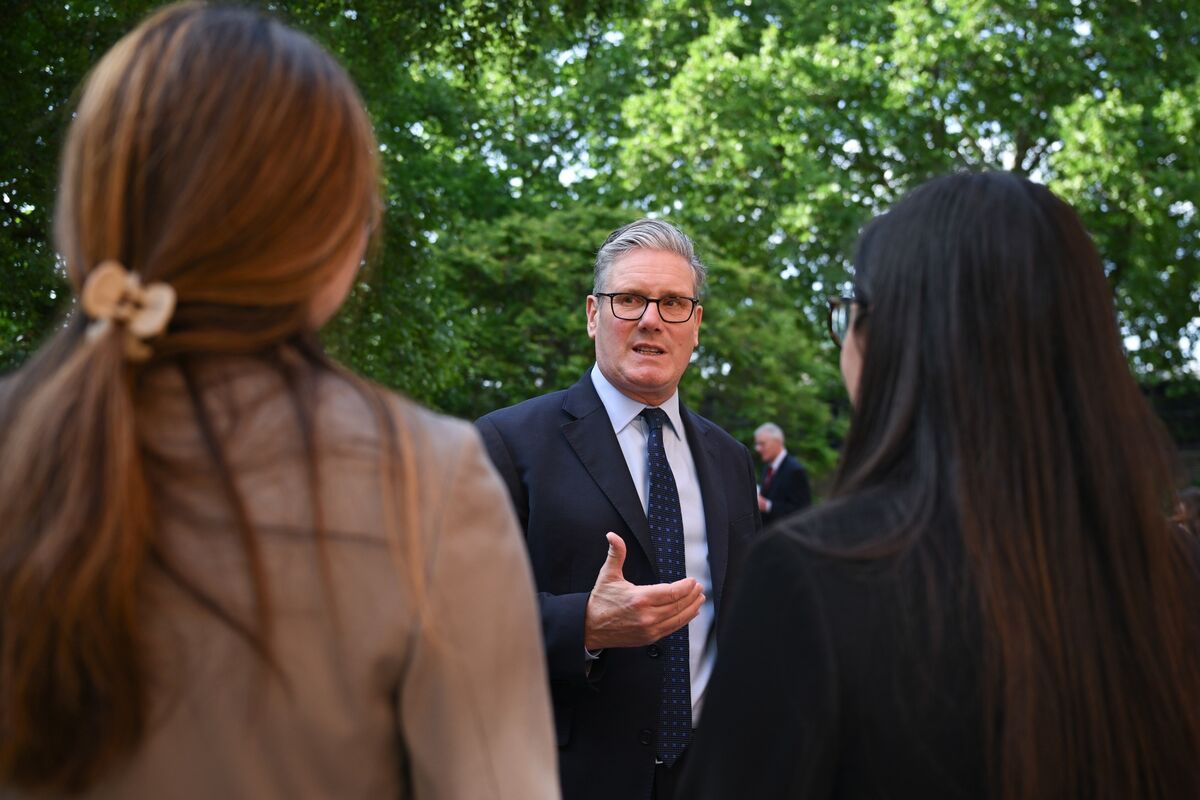
UK Labour leader Keir Starmer asserts that the UK continues to attract top global talent despite the departure of non-domiciled residents due to impending tax changes. Starmer highlighted the UK's strengths in innovation and research, suggesting these factors outweigh concerns about the non-dom levy's impact on talent acquisition; however, the long-term effects of the tax policy on the UK's competitive edge remain to be seen.
UK Labour leader Keir Starmer publicly asserts that the United Kingdom remains a prime destination for top global talent, despite anticipated departures of non-domiciled residents following impending changes to their tax status. Starmer's position emphasizes the UK's inherent strengths in innovation and research as primary drivers for talent acquisition, suggesting these factors can offset concerns stemming from the non-dom levy. However, the article summary underscores that the long-term consequences of this tax policy alteration on the UK's overall competitiveness in attracting talent are currently uncertain and remain to be observed. The neutral sentiment and low market impact score (0.3) associated with this news suggest that markets are not significantly reacting to this statement alone, possibly awaiting more concrete evidence of talent flows or viewing it within the broader context of political discourse, as indicated by the 'Elections & Domestic Politics' theme.
AI-powered research, real-time alerts, and portfolio analytics for institutional investors.
Request DemoOverall Sentiment
neutral
Sentiment Score
0.00
