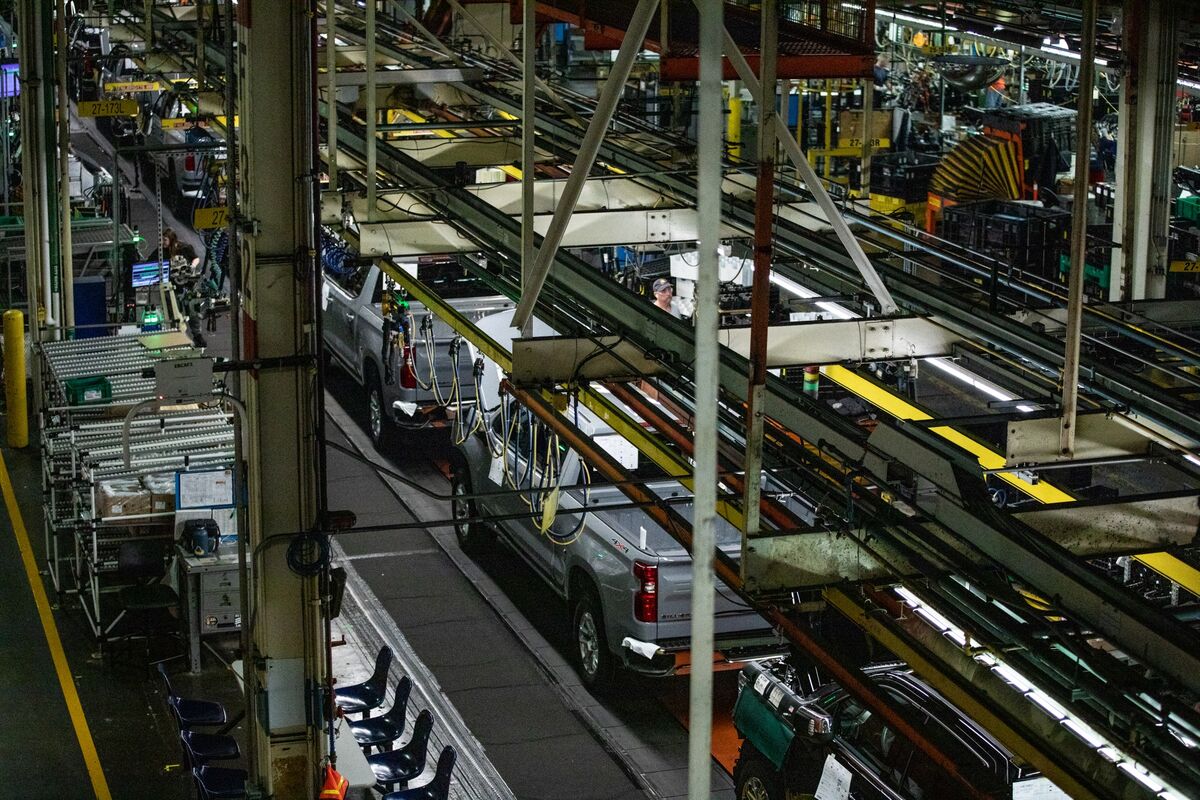
General Motors Co. and Stellantis NV will lose a portion of their Canadian tariff exemption on US-made vehicle imports following job reductions at their Ontario assembly plants. This decision means the automakers will now be subject to tariffs of up to 25% on some vehicles, as Canada's initial tariff remission for US-made cars was contingent on local production, directly impacting their cost structure and competitive positioning in the Canadian market.
General Motors Co. and Stellantis NV will incur tariffs of up to 25% on certain US-made vehicles imported into Canada, following their decision to reduce assembly-line work at Ontario factories. This action leads to the loss of a partial tariff exemption, or "remission," which was previously granted by the Canadian government and contingent on maintaining local vehicle production. The original tariffs were implemented in April as retaliation for US levies.
This policy change directly impacts the automakers' cost structures and competitive positioning within the Canadian market, as reflected by the moderately negative sentiment (-0.5 overall, and -0.6 for both GM and STLA). The re-imposition of these significant tariffs will increase the cost of goods sold for affected vehicles, potentially eroding margins or necessitating price adjustments.
The situation highlights the increasing regulatory risk associated with international trade agreements and local employment commitments within the automotive sector. It underscores how trade policy and legislation can significantly alter operational economics and supply chain strategies for multinational manufacturers. Investors should consider these factors when evaluating long-term profitability and market share in regions with complex trade relationships.
AI-powered research, real-time alerts, and portfolio analytics for institutional investors.
Overall Sentiment
moderately negative
Sentiment Score
-0.50
Ticker Sentiment
