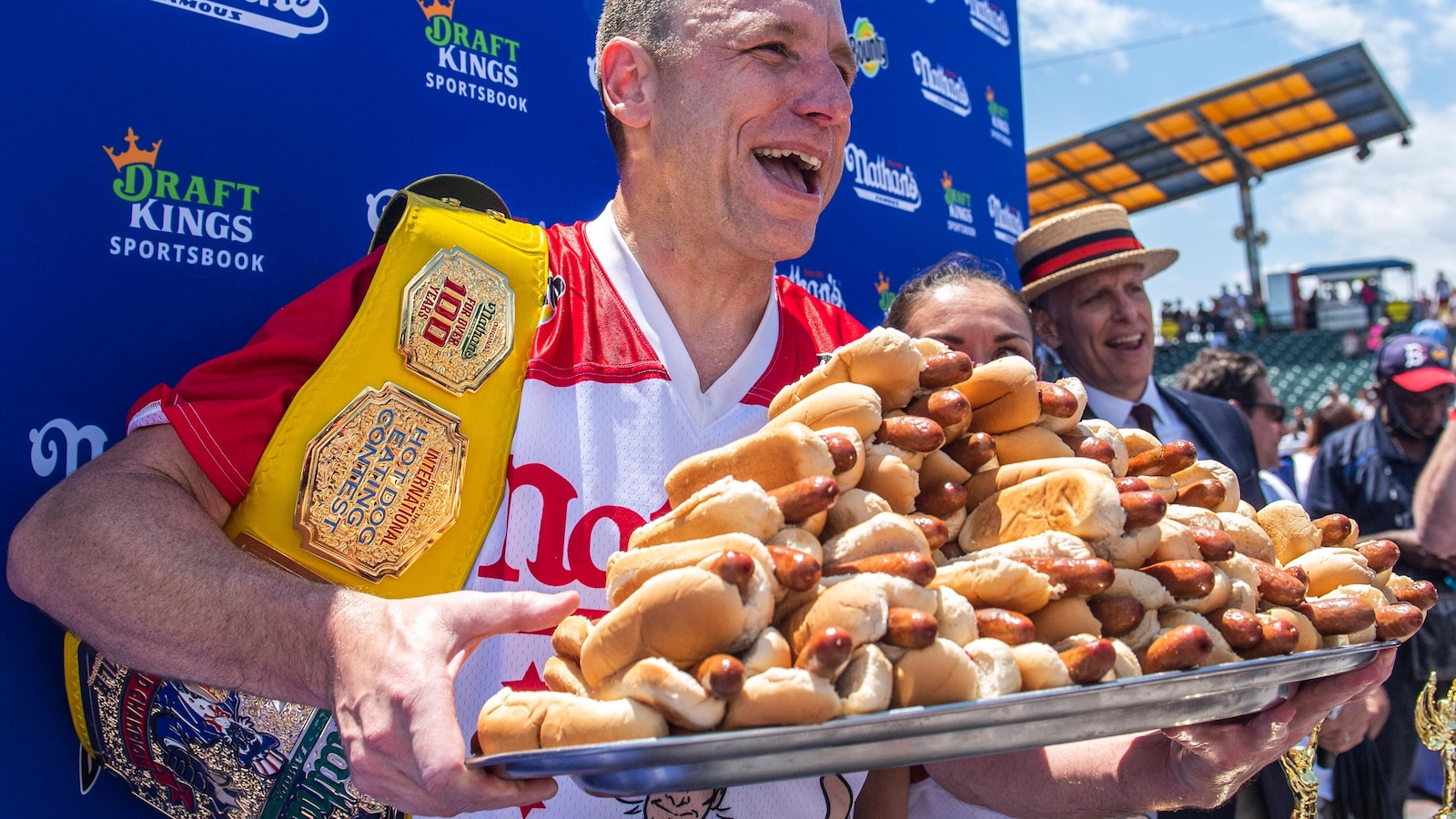
Smithfield Foods will acquire Nathan’s Famous in an all-cash $450 million deal, paying $102 per share for all outstanding stock; Nathan’s board (which owns or controls nearly 30% of shares) approved and the transaction is expected to close in the first half of the year. Smithfield, which already held production rights for Nathan’s products in parts of North America, expects about $9 million of annual cost savings within two years; Nathan’s has faced inflationary pressure with branded product costs up 27% year-over-year and a 20% rise in average cost per pound of hot dogs. Nathan’s reported fiscal 2025 profit of $24 million on roughly $150 million of revenue, while Smithfield generated over $1 billion in operating profit on $14.1 billion in sales in 2024, indicating potential scale and margin benefits for the acquirer.
Market structure: Smithfield’s $450m all‑cash buyout of NATH consolidates branded hot‑dog retail into a large processor, improving upstream pricing/contracting power and likely pressuring independent regional frankfurter players. Winners: Smithfield/WH Group (scale, margin capture) and large pork processors (TSN, 1–3% upside in consensus EPS if hog prices normalize); losers: small QSR/franchisees and standalone branded packaged‑meat marketers who can’t hedge input inflation. Cross‑asset: expect upward pressure on lean hog and corn/soy futures near term; modest widening in high‑yield food‑sector credit spreads if the buyer adds debt (> $200–300m) to finance integration.
Risk assessment: Tail risks include regulatory/political scrutiny (CFIUS or state AGs) or integration missteps that impair the Nathan’s brand—low probability but could cost >$50m to remediate and delay synergies beyond the planned 24 months. Time horizons: immediate (days–weeks) merger arbitrage; short (3–12 months) synergy capture and SG&A rationalization; long (1–3 years) brand/retail footprint optimization and pricing pass‑through. Hidden dependencies: Nathan’s value is largely intangible (brand & annual event) and relies on IP/licensing; franchisee economics could deteriorate if Smithfield centralizes supply chains, triggering litigation or lost royalty streams. Key catalysts: shareholder vote, closing (expected H1), 8‑K disclosures on financing, and quarterly updates on $9m synergy run‑rate.
Trade implications: Direct play: merger‑arb NATH if spread >150–200bp to $102 deal price, size 1–2% NAV, target close at completion H1; pair trade: long NATH arb / short small regional QSR ETF or specific weak franchisees to neutralize consumer risk. Options: sell covered calls against any long TSN exposure to fund a 6–12 month lean‑hog futures long if you want commodity exposure; alternatively buy cheap OTM puts on select small restaurant names to hedge margin compression. Sector rotation: incrementally overweight packaged‑meats/processors (TSN, PKG suppliers) and underweight small cap restaurants; rebalance when CPI protein component falls >2% YoY.
Contrarian angle: Market may underprice brand decay risk—Smithfield paid a 1x+ revenue multiple (~$450m on $150m rev), reflecting strategic control not pure earnings. If integration rationalizes restaurant/licensing aggressively, near‑term top‑line could dip 5–10% before margin gains, creating a buying opportunity for processors but a value trap for pure branded retail. Historical parallels: Kraft acquisition of regional brands showed fast shelf consolidation but slower franchise outcomes; watch legal/franchise churn. Unintended consequence: overcentralization could spark franchisee litigation and negative PR around heritage brand stewardship, compressing realized synergies beneath the $9m forecast within 12–24 months.
AI-powered research, real-time alerts, and portfolio analytics for institutional investors.
Request DemoOverall Sentiment
mildly positive
Sentiment Score
0.30
Ticker Sentiment
