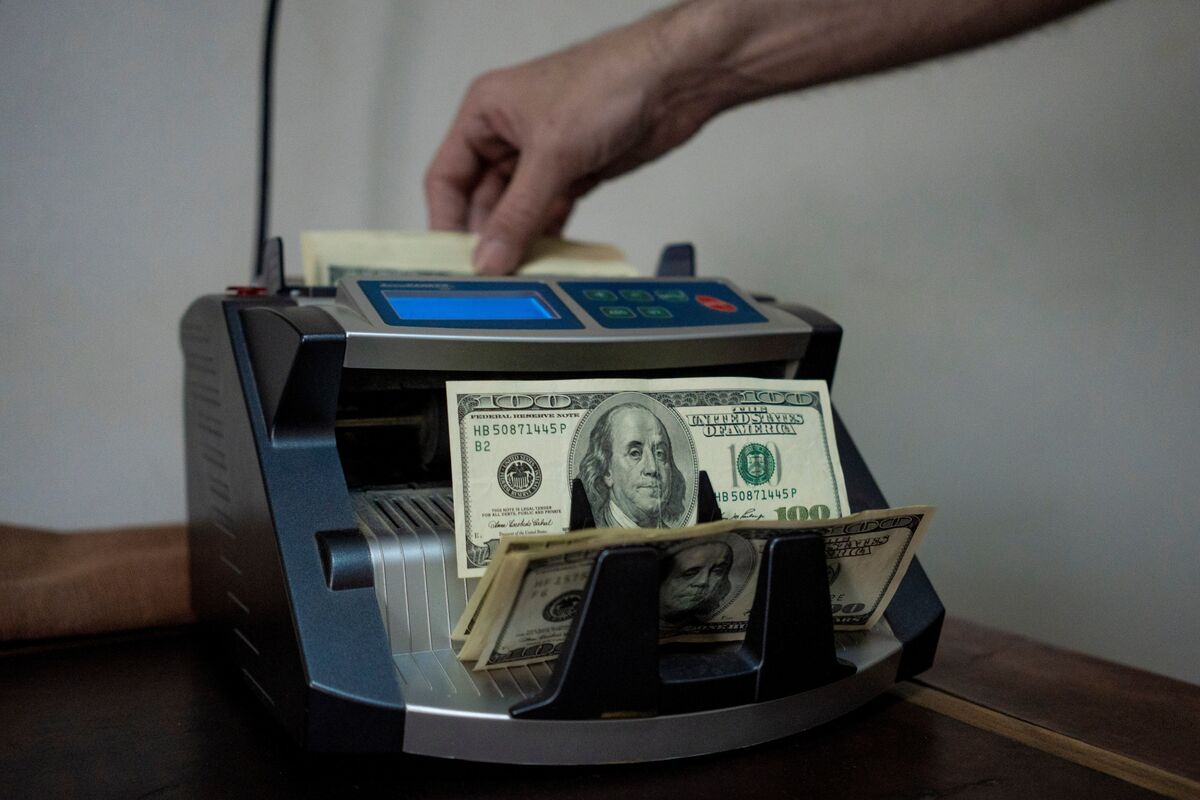
The dollar weakened, with the Bloomberg Dollar Spot Index dropping as much as 0.4% to levels not seen since July 2023, after President Trump delayed imposing higher tariffs on the European Union. This decision boosted risk-sensitive currencies such as the Australian and New Zealand dollars and the euro, which are closely tied to global trade.
The US dollar experienced a notable decline, with the Bloomberg Dollar Spot Index falling by as much as 0.4% on Monday, approaching its lowest level since July 2023. This weakening was directly attributed to US President Donald Trump's decision to postpone the imposition of higher tariffs, specifically 50% tariffs, on the European Union until July 9. The delay in tariff implementation has fostered a "risk-on" sentiment in currency markets, as indicated by the provided signals, leading to a surge in risk-sensitive currencies with strong ties to global trade. Notably, the Australian dollar, New Zealand dollar, and the euro appreciated following the announcement. This development suggests a temporary easing of US-EU trade tensions, which the market has interpreted with moderate positivity, and the market impact score of 0.65 indicates a reasonably significant market reaction to this policy shift.
AI-powered research, real-time alerts, and portfolio analytics for institutional investors.
Request DemoOverall Sentiment
moderately positive
Sentiment Score
0.40
