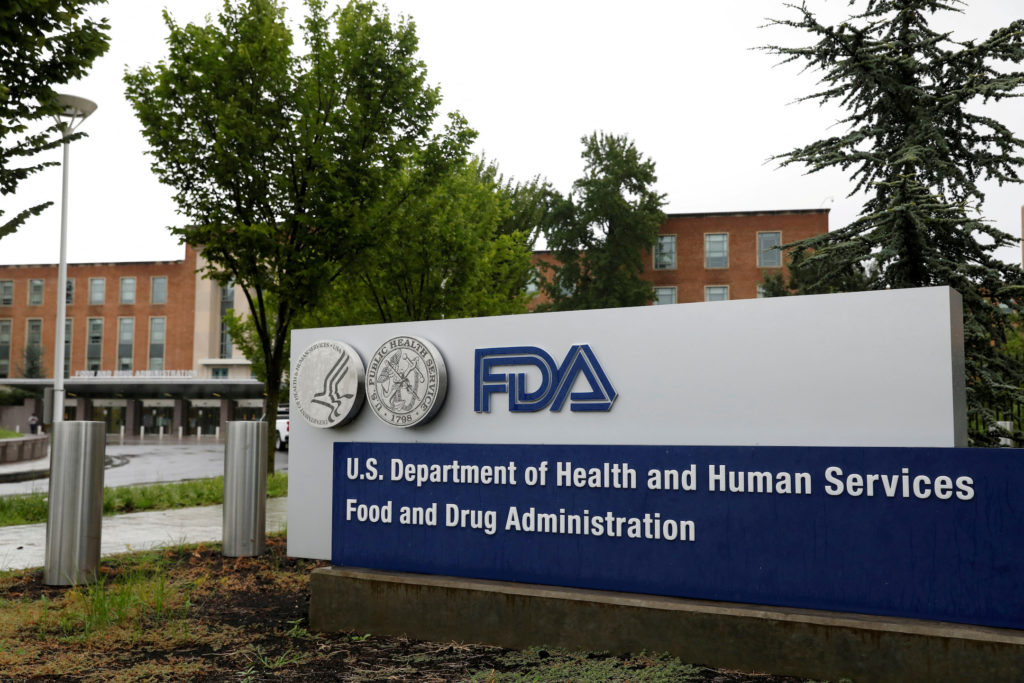
The FDA convened a public meeting to consider broadening dietary supplement criteria to potentially allow non-food substances such as peptides and certain probiotics. The change could materially expand an industry already comprising roughly 100,000 products, driven by industry pressure and support from Health Secretary Robert F. Kennedy Jr., while consumer advocates warn of increased safety and oversight risks.
Regulatory loosening around what counts as a “dietary ingredient” is a structural growth lever for incumbent supplement brand/distributor economics: lower regulatory barriers compress time-to-market and raise SKU proliferation, favoring large omni-channel platforms and contract manufacturers that can scale fill/finish and CDMO work. Expect a two-stage demand shock — an immediate surge in novel SKU launches by direct-to-consumer brands and clinics (weeks–months) followed by a secondary institutional adoption as major retailers and marketplaces expand assortments (6–24 months).
Second-order winners will be upstream suppliers of peptide synthesis reagents, contract peptide CDMOs and marketplace logistics providers; small direct-to-consumer brands without compliance/legal infrastructure are second-order losers because one high-profile adverse event will force expensive remediation (recalls, litigation, insurance hits). Political tail risks are asymmetric: an administration flip or high-visibility safety incidents could trigger swift enforcement and litigation that compresses valuations for the most exposed names within 3–9 months.
Key catalysts to watch: (1) FDA draft guidance or rulemaking language (weeks–6 months) that clarifies “dietary ingredient”; (2) targeted enforcement actions or citizen petitions and state AG lawsuits (months); (3) earnings commentary from major distributors/retailers quantifying peptide/probiotic SKUs (quarterly). Position sizing should assume binary event risk — regulatory greenlight materially re-rates growth-exposed equities, while adverse events can produce >30% downside for niche players with weak compliance.
AI-powered research, real-time alerts, and portfolio analytics for institutional investors.
Overall Sentiment
neutral
Sentiment Score
0.00
