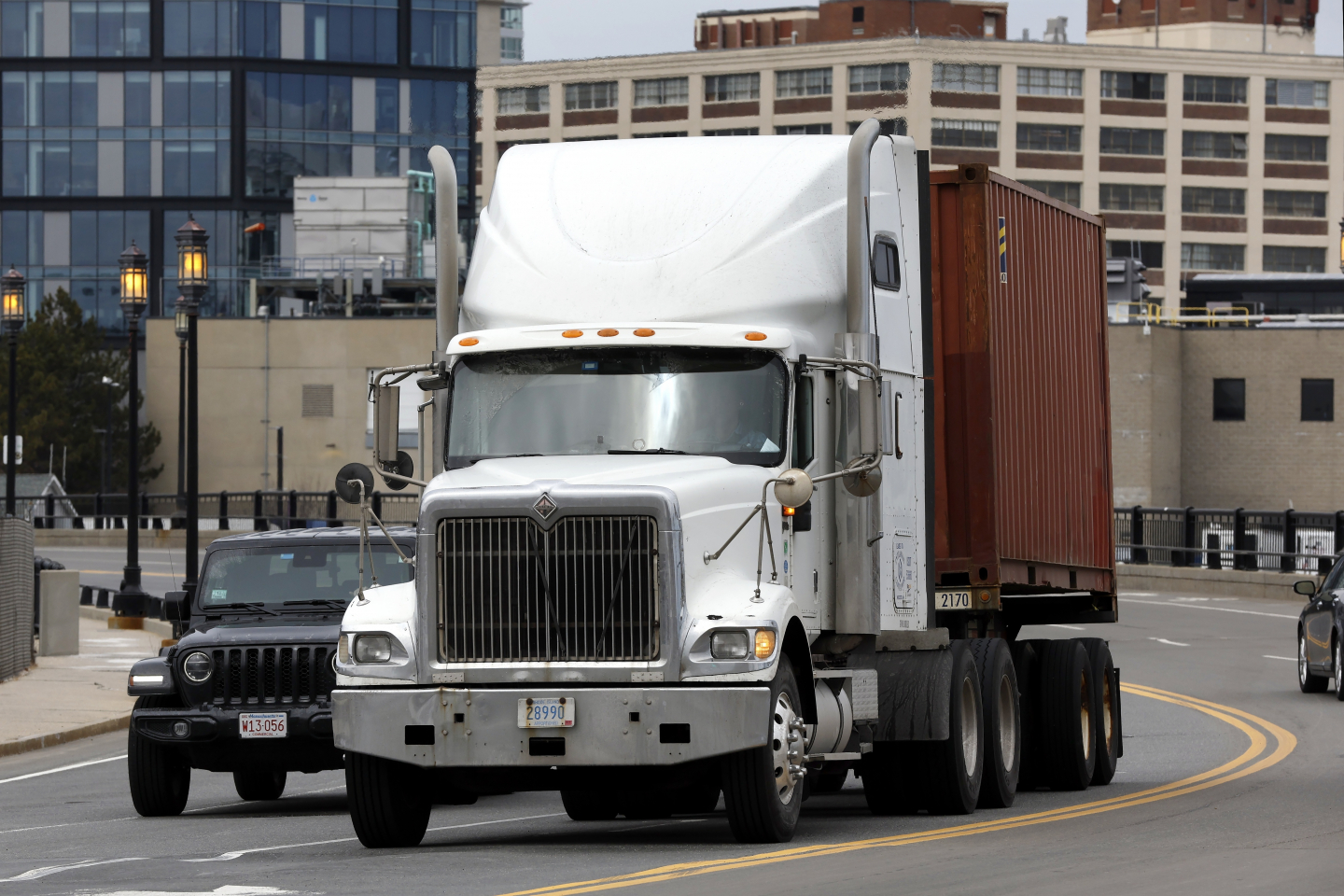
Escalating tort litigation costs, which reached $529 billion in 2022 (2.1% of GDP) and are projected to hit $900 billion by 2030, are imposing a significant economic burden, growing at double the rate of inflation. This trend, exacerbated by aggressive plaintiff attorneys and increasing third-party litigation funding from hedge funds, disproportionately targets the trucking industry through 'nuclear verdicts' exceeding $10 million, threatening supply chains and small operators. The resulting 'stealth tax' on consumers, estimated at thousands of dollars per household annually, inflates prices for goods and services, prompting calls for legislative reforms like the FAIR Trucking Act to address forum shopping and litigation funding transparency.
The U.S. economy is facing a significant burden from escalating tort litigation costs, which reached $529 billion in 2022, representing 2.1% of GDP. These costs are growing at more than double the rate of inflation and are projected to climb to $900 billion by 2030, indicating a substantial and accelerating economic drag. This trend imposes a "stealth tax" on American consumers, with per-household burdens estimated at $5,050 in Georgia and nearly $4,600 in Texas annually, directly contributing to higher prices for goods and services.
The trucking industry, which moves over 70% of domestic freight and supports 8.4 million jobs, is disproportionately targeted by these legal actions. "Nuclear verdicts," exceeding $10 million, have seen average awards in trucking cases jump from $5 million to $23.5 million between 2010 and 2018 for verdicts over $1 million. This phenomenon, driven by aggressive plaintiff attorneys utilizing "forum shopping" and increasingly financed by third-party litigation funds, threatens the viability of small trucking operators and the broader supply chain.
The systemic issue of "jackpot justice" is inflating costs across the supply chain, impacting consumer prices and company fundamentals, particularly for transport and logistics firms. The article highlights legislative reform, such as the proposed FAIR Trucking Act, as a necessary measure to address forum shopping, cap non-economic damages, and increase transparency in litigation funding. Without such interventions, the current trajectory suggests continued pressure on inflation and increased operational risks for industries reliant on efficient logistics.
AI-powered research, real-time alerts, and portfolio analytics for institutional investors.
Request DemoOverall Sentiment
extremely negative
Sentiment Score
-0.85
