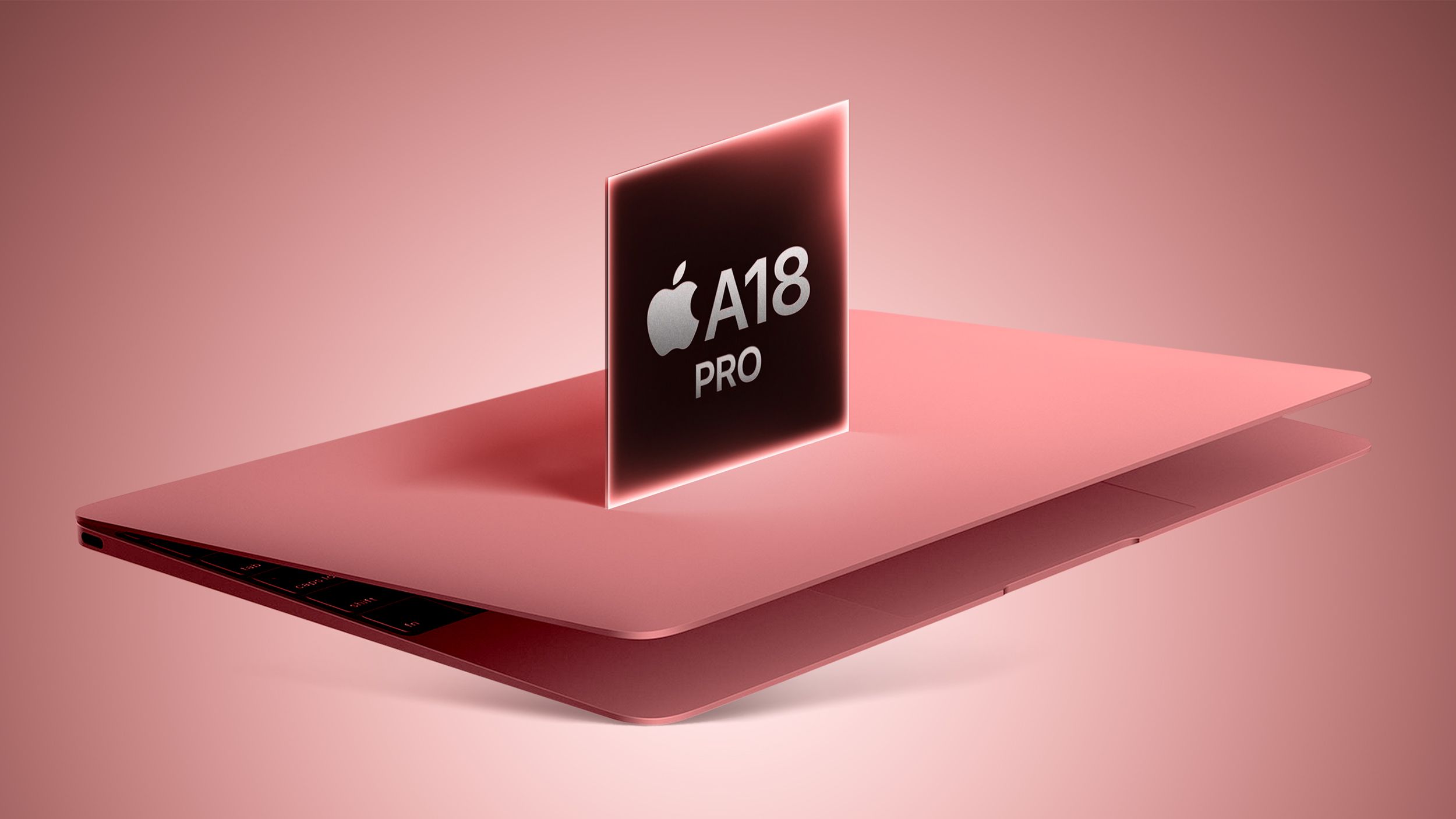
Apple plans to launch a lower-cost MacBook in the first half of 2026 aimed at competing with affordable Chromebooks and Windows laptops; the device is expected to feature an ~13-inch LCD, use the A18 Pro (8GB RAM, 2nd-gen 3nm) SoC, and omit premium display features like mini‑LED and ProMotion. Bloomberg sources indicate pricing will be “well under $1,000,” with analyst-anchored possible positioning between roughly $499–$799, suggesting potential to expand Mac share in the entry-level segment and compete with low-cost iPad and Windows offerings while preserving MacBook Air–level battery life and basic port configurations.
Market structure: Apple (AAPL) introducing a sub-$1,000 MacBook in H1 2026 targets the $499–$799 mainstream laptop/tablet price band and threatens Chromebook/low-end Windows OEMs (HPQ, DELL, LNVGY) and low-cost iPad demand. Expect modest share shifts: estimate 3–7% domestic unit share gain from Chromebooks/entry Windows over 12–24 months if volume pricing hits ~$599–$749, compressing OEM ASPs by 5–10%. Cross-asset: stronger AAPL hardware volume supports Services upside (subscription ARPU), tilts FX flows toward USD on renewed buybacks, and lifts TSM/3nm supplier cashflows; modest tightening pressure on IG tech credit spreads if capex ramps.
Risk assessment: Tail risks include 3nm yield shortfalls (supplier: TSM) that could delay launch or spike costs, and regulatory/antitrust actions that force alternative app distribution on macOS (low probability, high impact). Time horizons: immediate (days) — supply-chain rumor-driven vol; short-term (weeks–months) — pre-launch options skew; long-term (12–36 months) — ecosystem LTV and cannibalization outcomes. Hidden dependencies: cannibalization of MacBook Air and iPad lines could dilute gross margins by 100–200bps; monitor Apple inventory days and supplier revenue mix as leading indicators.
Trade implications: Direct — establish a measured long in AAPL (1–3% portfolio) concentrated ahead of H1 2026 launch to capture device and Services upside; pair trade — long AAPL vs short HPQ/DELL (net exposure 1% long AAPL / 0.5–1% short HPQ) to express ASP compression. Options — buy an 18–24 month AAPL call spread (long 5–10% OTM, short 25% OTM) sized 0.5–1% notional to limit downside while keeping upside to launch surprise. Sector rotation — overweight Consumer Electronics/TSM and underweight low-end PC OEMs for 6–24 months; trim within 3–6 months after launch if margin dilution appears.
Contrarian angles: The market underestimates ecosystem monetization: each incremental Mac buyer could add $25–75/year in Services (conservative) raising LTV over 3 years, partially offsetting hardware margin loss. Conversely, don’t ignore cannibalization — consensus might underprice a 5–10% decline in entry iPad/MacBook Air unit ASPs which would shave 2–4% off AAPL gross margin if unmanaged. Historical parallel: Apple’s iPhone SE repositioning increased share but depressed ASPs temporarily; outcome depended on scale and services attachment — watch attach rates and 3nm supplier commentary for the real inflection.
AI-powered research, real-time alerts, and portfolio analytics for institutional investors.
Request DemoOverall Sentiment
mildly positive
Sentiment Score
0.25
Ticker Sentiment
