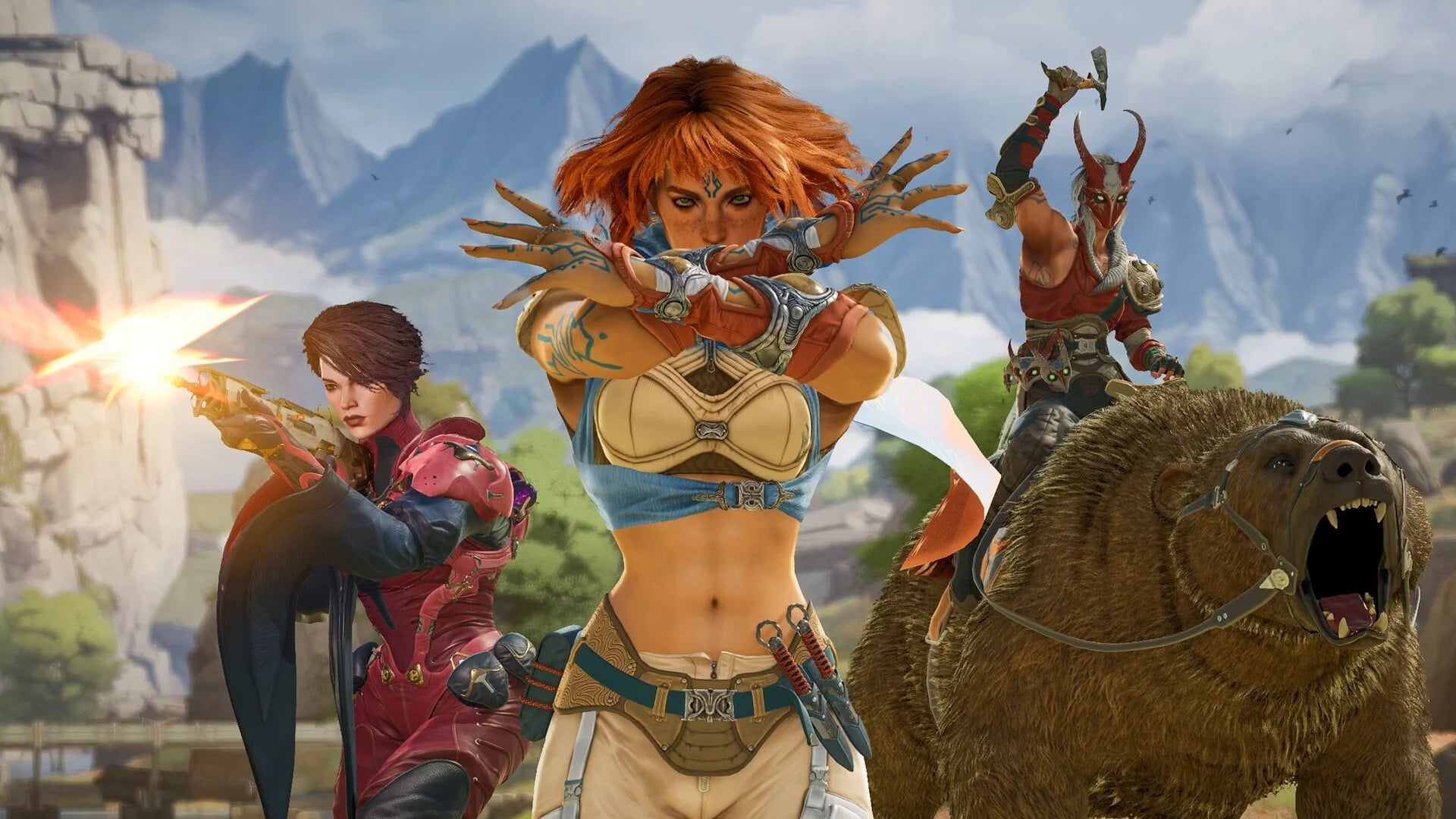
Wildlight Entertainment's free-to-play title Highguard saw a sharp drop in PC concurrent users after launch, falling from a peak above 97,000 to fewer than 10,000 within five days. To address complaints about oversized maps and low player density, the developer deployed a time-limited experimental 5v5 raid mode (up from standard 3v3) with 10 lives and slightly longer respawns while noting ongoing performance optimizations; the change is intended to revive engagement but raises performance and retention risks.
Market structure: This flop signals incremental consolidation in games: incumbents with deep live-ops, marketing budgets and multi-title catalogs (e.g., ATVI, EA, TTWO) are the likely winners as user attention scarcity favors brands; small indie and pure-play F2P studios (and marketplaces) are losers, evidenced by Highguard falling ~90% from ~97k to <10k concurrent users in five days. Supply/demand imbalance — continued high supply of new F2P launches vs finite player-hours — will compress ARPU for weaker titles over 1–4 quarters and shift pricing power toward platform holders and major publishers. Cross-asset: macro spillovers are minor, though stretched small-cap tech credit and equity volatility in gaming SMID names could rise 20–40% short-term; NVDA/AMD fundamentals largely unaffected by one indie title.
Risk assessment: Tail risks include reputational/operational (server failures, major downtimes), regulatory scrutiny on monetization (loot-box rules) that could materialize in 6–24 months, and contagion where ad/UA costs spike if retention collapses. Immediate horizon (days): traffic/retention metrics; short-term (weeks–months): ARPU and UA ROI; long-term (quarters): consolidation and M&A. Hidden dependencies include engine/hosting costs (Unity/PlayFab) and influencer pipeline; catalysts that can reverse the trend are strong patch-driven retention (>30% 7-day), influential streamer adoption, or paid UA windows.
Trade implications: Favor selective longs in diversified publishers and semiconductor suppliers for cloud/graphics (ATVI, EA, NVDA, AMD) with 3–12 month horizons; short or options-bear strategies on small/pure-play F2P names (Skillz SKLZ, AppLovin APP) sized to 1–3% notional. Pair trades: long ATVI vs short SKLZ to capture share shift. Options: buy 3-month put spreads on SKLZ or APP to limit downside while keeping capital efficient; target 20–40% relative moves, set 15–20% stops.
Contrarian angle: The market may over-penalize the F2P segment from one high-profile failure; historically (e.g., multiple early-access flops) incumbents harvested displaced players and valuations rebounded within 6–12 months. Mispricings to watch: Unity (U) could be under-owned if consolidation raises engine demand — consider a tactical 0.5–1% long ahead of earnings. Unintended consequence: aggressive shorting of small devs could accelerate sell-offs and prompt opportunistic M&A, benefiting mid-cap acquirers.
AI-powered research, real-time alerts, and portfolio analytics for institutional investors.
Request DemoOverall Sentiment
moderately negative
Sentiment Score
-0.40
