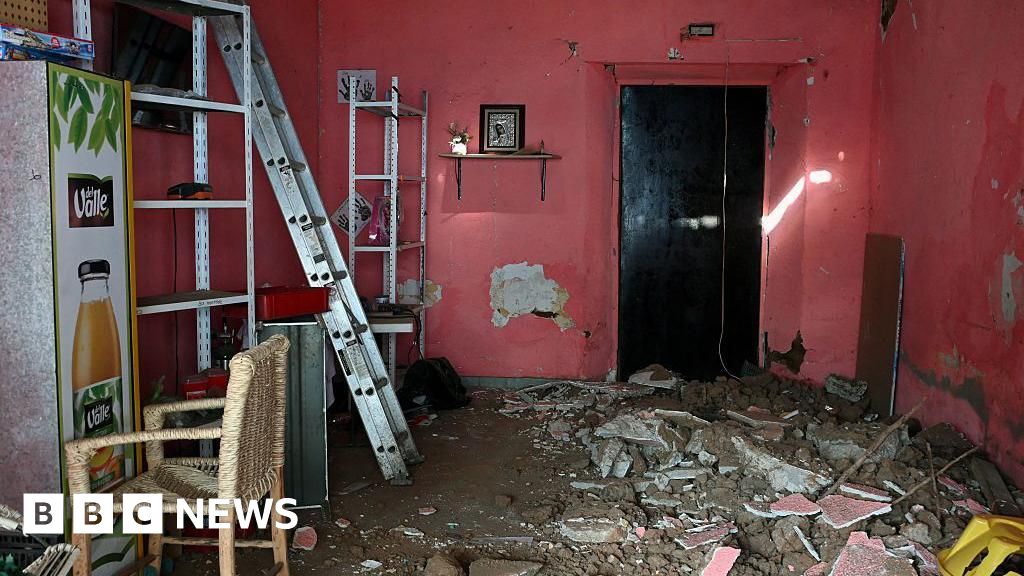
A magnitude 6.5 earthquake struck near Acapulco, Guerrero, killing two people (a 50-year-old woman in Guerrero and a 60-year-old man in Mexico City), injuring at least 12 in the capital and producing 420 aftershocks by midday; Guerrero suffered moderate damage with landslides on highways and assessments underway of roads, hospitals and dozens of buildings. Mexico City reported power restored to 98% of outages, two structures evaluated for collapse risk, and inspections of 34 buildings and five homes; the event poses localized short-term disruption risks to tourism, transport corridors and infrastructure with limited immediate national market implications, though insurers, regional operators and travel-sector exposures should be monitored.
Market structure: Winners in the immediate aftermath are local construction/materials suppliers and short-duration catastrophe service providers; losers are tourism/leisure exposure around Acapulco and short-term municipal infrastructure demand in Guerrero/Mexico City. Expect a 1–3% hit to near-term hotel/airline revenues for routes tied to Guerrero and a 5–20% increase in local demand for cement/engineering services over 3–12 months as inspections and repairs ramp. Pricing power will shift locally toward firms able to mobilize crews and materials quickly; national chains with balance-sheet firepower should squeeze smaller contractors.
Risk assessment: Tail risks include a larger seismic event or cascading infrastructure failures (power grid, ports) that could widen economic damage and force multi-month tourism closures; probability low (<5%) but high impact on GDP growth and sovereign spreads. Immediate risks (days) are operational (roads/ports closed); short-term (weeks/months) are insurance losses and budget reallocations; long-term (quarters) are reconstruction-driven capex and localized property repricing. Hidden dependencies: supply-chain chokepoints for cement/steel and insurance/reinsurance capacity (retrocession) that can amplify price moves.
Trade implications: Direct tactical plays favor short-dated protection on Mexican equities/currency and selective longs in construction/materials. Use 1–3 month hedges (puts or forwards) to guard MXN and EWW exposure, and allocate 1–3% tactical longs to large-cap construction/materials with Mexico operations for a 3–12 month recovery. Avoid large directional sovereign-duration exposure until preliminary damage estimates and fiscal offsets are disclosed (30–90 days).
Contrarian angles: Consensus will likely overreact with broad Mexico sell-offs; that creates mispricings in domestically focused construction names and airport operators that see rapid revenue rebound once inspections complete. Historical parallels (2017 quake) show market pain is front-loaded and reconstruction flows support materials/engineering for 3–18 months; a contrarian long in high-quality, cash-rich local builders while hedging MXN risk can capture asymmetric returns. Watch for government reconstruction bonds or special spending announcements in the next 2–6 weeks as catalysts.
AI-powered research, real-time alerts, and portfolio analytics for institutional investors.
Request DemoOverall Sentiment
moderately negative
Sentiment Score
-0.50
