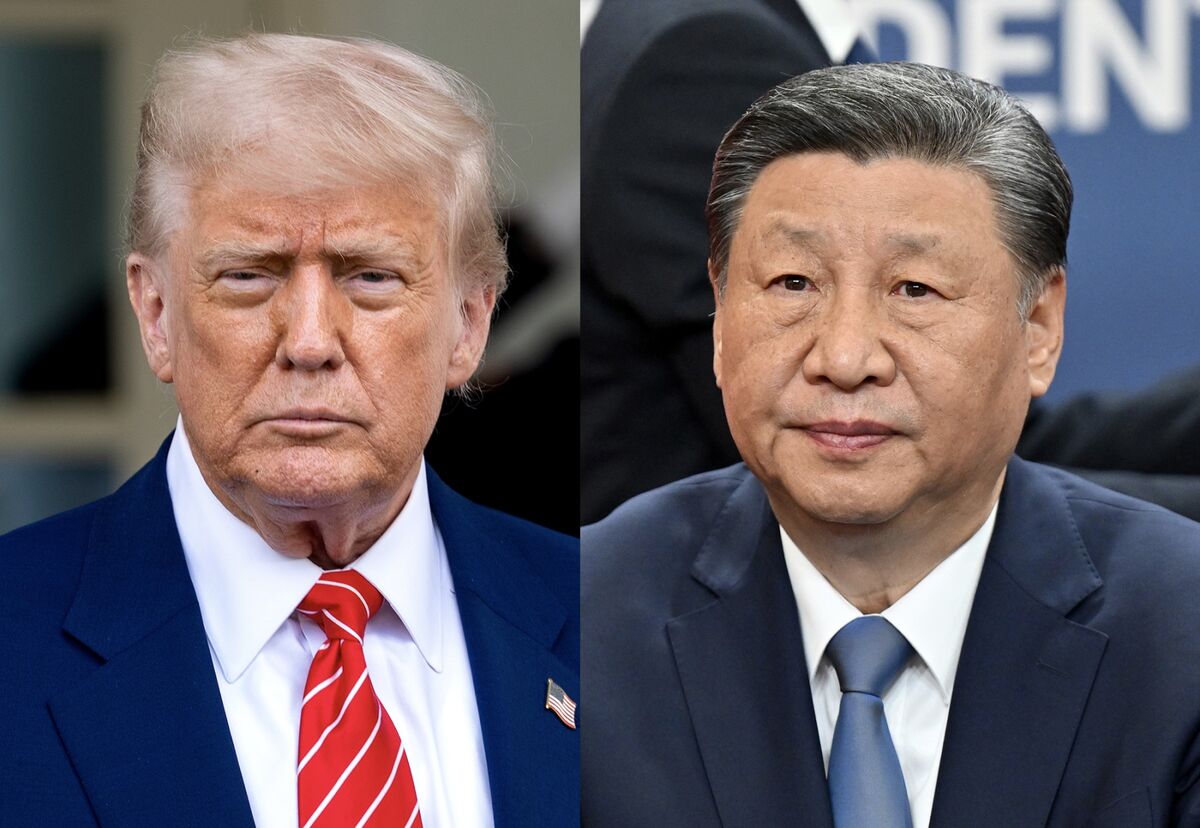
A recent Lowy Institute survey indicates that Australians hold similar levels of distrust for both U.S. President Donald Trump and Chinese leader Xi Jinping, with 72% and 71% respectively expressing a lack of confidence in their responsible handling of global affairs. The survey also revealed a tie in preference for Trump or Xi as a better partner for Australia, each garnering 45% support. This shared distrust presents challenges for Australia in navigating its relationships with both its major security ally and its largest trading partner.
A recent Lowy Institute survey highlights a complex geopolitical sentiment within Australia, revealing that 72% of respondents distrust US President Donald Trump to act responsibly in global affairs, a figure nearly identical to the 71% who express similar distrust towards Chinese leader Xi Jinping. This symmetrical skepticism is further evidenced by a dead heat in preference, with 45% of Australians viewing Trump as a better partner and an equal 45% favoring Xi. These findings underscore the intricate challenge confronting Canberra as it seeks to manage its relationship with its foremost security ally, the United States, and its largest trading partner, China. The neutral sentiment and low immediate market impact score associated with this news suggest the survey itself is not a direct market catalyst but rather quantifies an existing and potentially growing undercurrent of uncertainty relevant to Australia's international positioning and economic stability.
AI-powered research, real-time alerts, and portfolio analytics for institutional investors.
Request DemoOverall Sentiment
neutral
Sentiment Score
0.00
