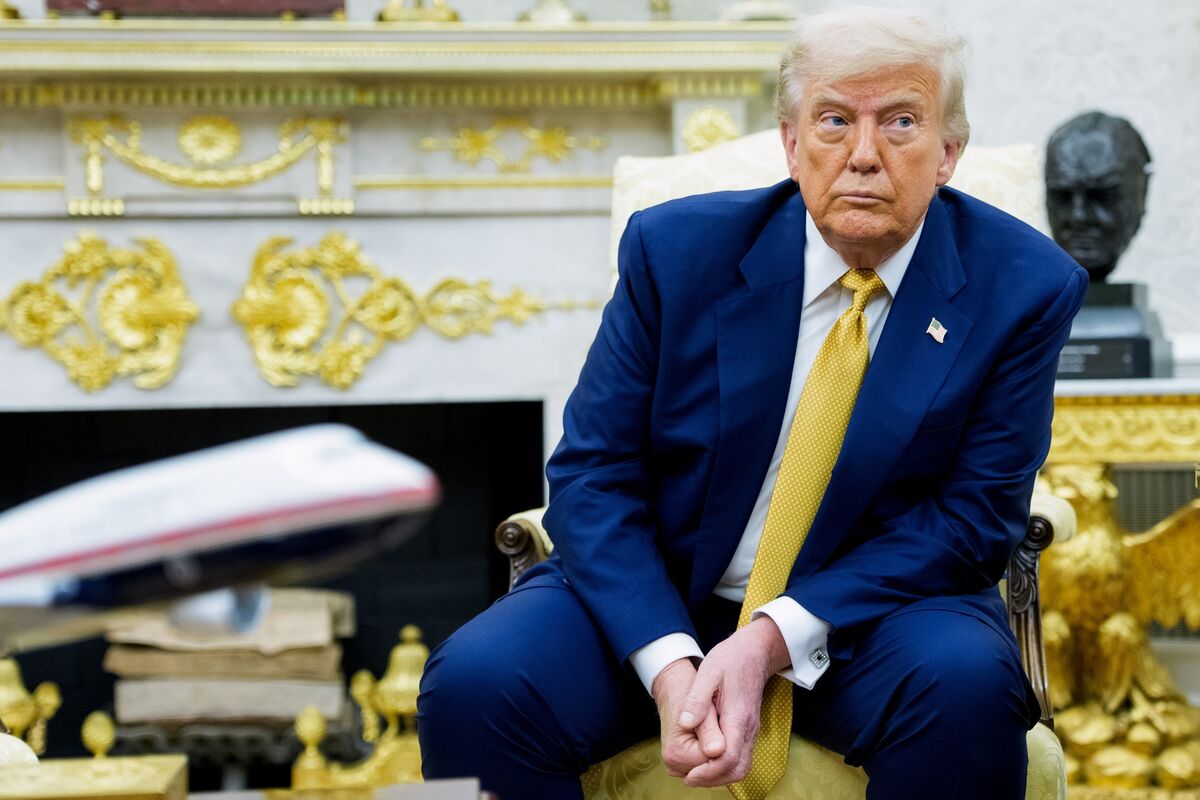
Indian officials are reportedly encountering significant challenges in engaging with the Trump administration due to numerous unfilled key foreign policy positions within the State and Defense Departments. This staffing vacuum is impeding New Delhi's ability to effectively lobby its views and secure a favorable trade deal, potentially prolonging uncertainty in U.S.-India bilateral economic relations.
Significant staffing vacancies within the U.S. Department of State and Department of Defense under the Trump administration are creating a tangible obstacle to U.S.-India diplomatic and economic relations. According to sources, Indian officials are finding it difficult to engage with U.S. counterparts and effectively lobby their positions, directly impeding progress on a favorable trade deal. This administrative bottleneck introduces a layer of uncertainty and prolongs negotiations between the two major economies. The situation underscores how domestic governance and staffing issues in Washington can have direct, negative spillover effects on international trade policy and geopolitical partnerships. The moderately negative sentiment and uncertain tone associated with this development reflect the potential for increased friction or, at a minimum, a sustained lack of resolution on key bilateral economic issues.
AI-powered research, real-time alerts, and portfolio analytics for institutional investors.
Request DemoOverall Sentiment
moderately negative
Sentiment Score
-0.50
