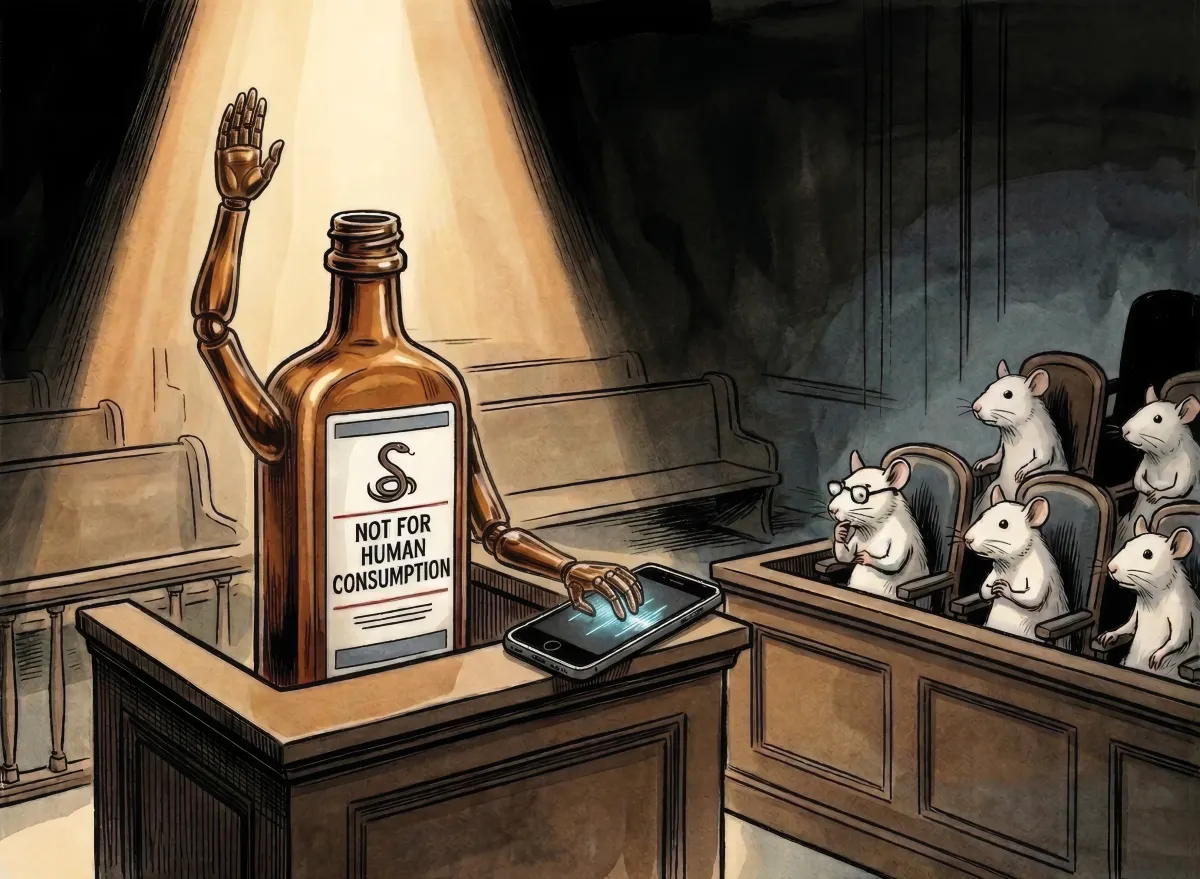
RFK Jr. announced the FDA is preparing to reclassify ~14 experimental peptide compounds to allow compounding-pharmacy access; U.S. imports of peptide and hormone compounds reached $328M in the first three quarters of 2024 (vs. $164M year-earlier). The article flags material safety and evidence shortfalls—immunogenicity (anaphylaxis), angiogenesis (cancer risk), contamination, and an absence of robust human trials—while noting compounding-pharmacy access shifts supply-chain and contamination risk but not clinical uncertainty. Expect sector-level effects: larger revenue pools for compounding pharmacies and wellness clinics but elevated regulatory, legal, and reputational risks that could prompt tighter oversight or litigation.
Immediate second-order winners will be regulated, high‑quality GMP/CDMO and independent testing providers, not the backyard compounding network. Expect a multi‑quarter shift of volume away from offshore “research chemical” suppliers toward domestic GMP fills and lot‑release testing; that reallocation favors scale players with validated supply chains and ISO/USP credentials and imposes capex and lead times that will sustain pricing power for 6–18 months.
Regulatory opening is simultaneously a litigation and surveillance trigger. Reclassification that broadens legal distribution will increase adverse‑event reporting, exposing physicians, clinics, and compounding pharmacies to malpractice and product‑liability claims; expect defense costs and insurance premiums to move materially within 12–24 months, constraining margin expansion for small providers.
Supply chain bottlenecks and quality arbitrage create latency opportunities. Large reagents/CDMO companies can raise prices or ration capacity for validated peptide synthesis and analytical assays, creating a 20–40% incremental revenue margin on peptide‑related volumes for firms that can certify chains of custody; conversely, boutique clinics will face stock‑outs, backlogs, and reputational hits if even a few contamination events hit social media.
The macro flip risk is regulatory rollback: a high‑profile adverse event or a coordinated state AG enforcement sweep could reclose the market or impose onerous state licensing—this is a 30–60 day catalyst that could reverse sentiment and re‑repatriate demand back offshore. Position sizing should account for binary legal outcomes within 3–12 months rather than a smooth demand curve.
AI-powered research, real-time alerts, and portfolio analytics for institutional investors.
Request DemoOverall Sentiment
strongly negative
Sentiment Score
-0.60
