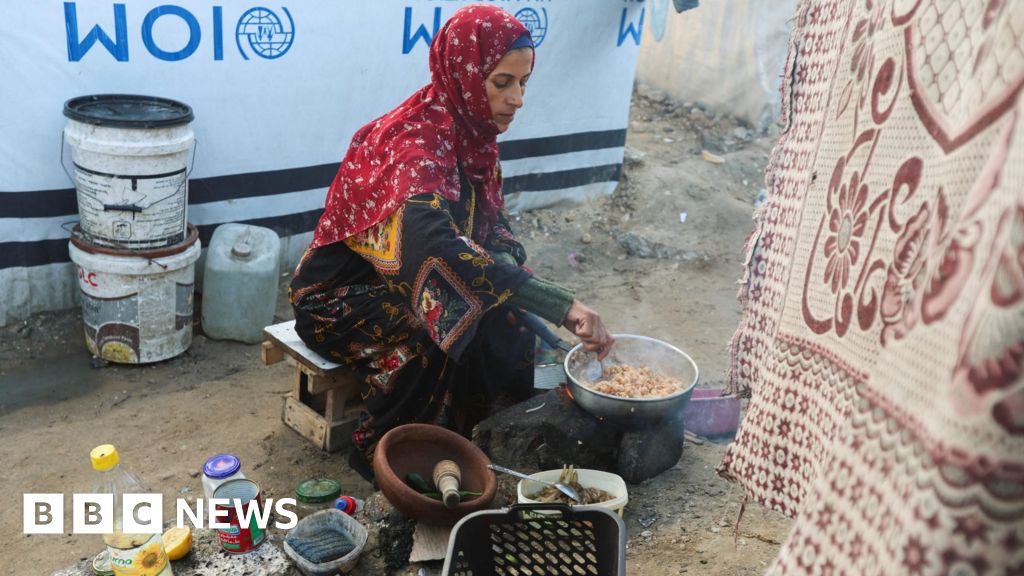
Israel's new INGO registration regime requires international NGOs to be registered by 31 December or face closure of Israel operations within 60 days; the ministry says ~100 applications are pending with 21 approved and 14 rejected so far. Humanitarian agencies warn the rules — which include grounds such as denying Israel's character or supporting boycotts — threaten the bulk of Gaza's NGO-run healthcare, water, shelter and mine-action services and could close one in three health facilities, risking a collapse of the humanitarian response. Major operators such as Save the Children report applications denied and legal challenges planned while MSF remains unregistered, raising heightened geopolitical and operational risks though Israeli officials say aid delivery will continue uninterrupted.
Market structure: Short-term winners are defense/security contractors, private logistics/medical services providers and traditional safe havens (gold, Treasury bonds) as humanitarian access risk raises demand for private operators and insurance; losers are Israel-exposed domestic equities (EIS), regional tourism/travel names and NGOs/contractors operating in Gaza whose services cannot be easily replaced. Pricing power shifts to large defense primes (scale, contracted logistics) and to insurers/reinsurers writing conflict risk, while humanitarian service gaps increase marginal value of market-based medical suppliers. Expect a measured reallocation of risk capital into security/defense and safe assets over the next 4–12 weeks.
Risk assessment: Tail risks include rapid escalation of hostilities that disrupt Red Sea/Suez shipping (oil +15–25% in 1–4 weeks) or an international funding cutoff that forces NGO exits and triggers sovereign stress in Israel (EIS -10–20% and wider CDS moves). Immediate (days) risks center on headlines/court rulings; short-term (weeks–months) hinge on registration counts and diplomatic pressure; long-term (quarters) depends on precedent-setting legal rulings and donor flows. Hidden dependencies: US/ EU diplomatic interventions, NGO alternative financing, and insurer capacity; catalysts include Israeli court petitions, UN emergency rulings and tranche counts of rejected registrations (see thresholds below).
Trade implications: Direct tactical longs: large-cap defense (LMT, RTX, GD) sized 2–3% each as a hedge vs geopolitical shock; hedges: GLD 1–2% and TLT/IEF 1–2% for flight-to-quality. Short tactical: consider a 2–3% short EIS position over 3 months if rejected INGOs >30% (≈30–40 organisations) or if court rulings do not reverse within 60 days; implement via put spread to limit capital at risk. Options: buy 3-month 10–15% OTM calls on GLD or a VIX call spread to profit from volatility spikes; pair trade long LMT vs short AAL (airlines) for 1–3 month window.
Contrarian angles: Consensus underestimates probability of a legal reversal or diplomatic accommodation within 30–90 days; if courts/US pressure restore registrations, short EIS/defense longs could reverse quickly. Historical parallels (Balkans, Gulf skirmishes) show defense and commodity spikes often mean-revert in 3–6 months; unintended consequence: increased privatization of aid creates new long-term suppliers (logistics/contract medical services) that could be multi-quarter winners. Monitor concrete triggers (rejection count, court decisions, donor funding announcements) to scale positions up/down.
AI-powered research, real-time alerts, and portfolio analytics for institutional investors.
Request DemoOverall Sentiment
moderately negative
Sentiment Score
-0.35
