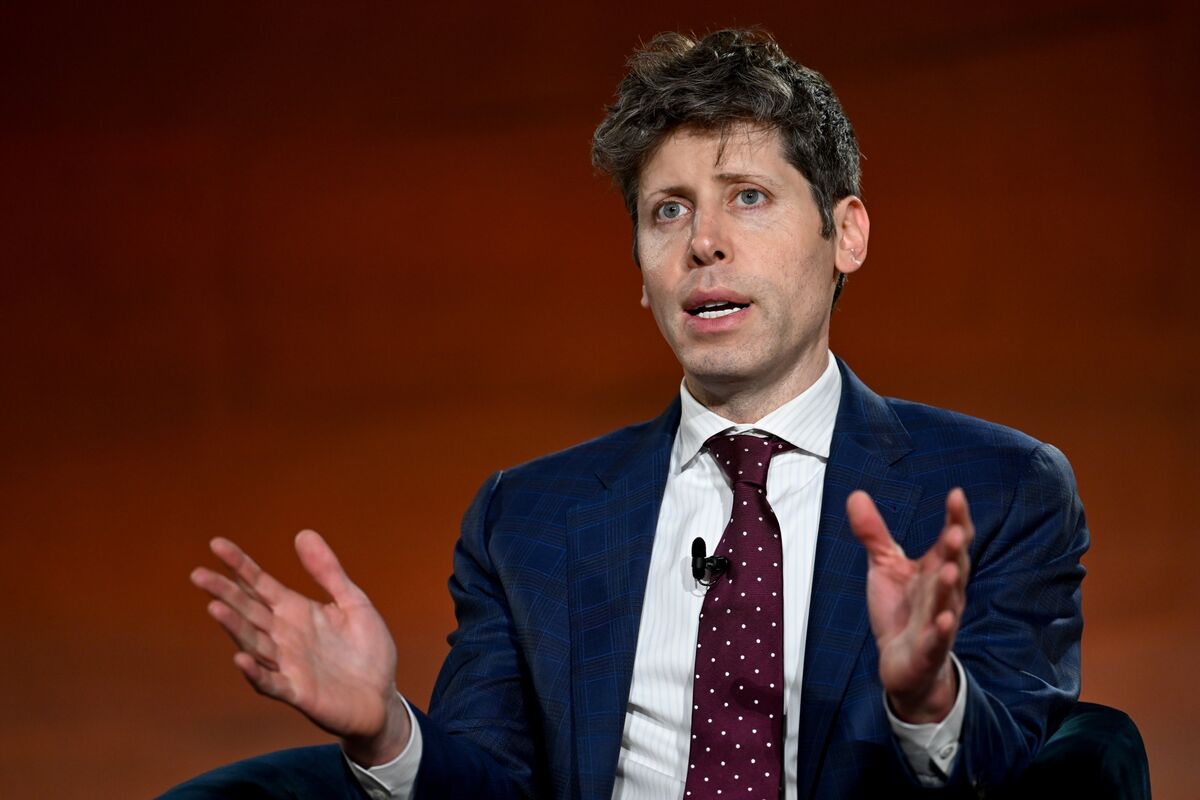
US District Judge Zachary Bluestone dismissed as "untimely" the sexual-abuse lawsuit filed by Ann Altman against OpenAI CEO Sam Altman, while allowing her to amend and refile. The ruling likely removes an immediate legal overhang on Altman and OpenAI leadership, with limited near-term market impact, though reputational and litigation risk could return if the complaint is revised and refiled.
Legal noise around a high-profile AI founder creates a non-linear governance externality that affects counterparties, partners, and capital providers more than product roadmaps. Expect a near-term reduction in willingness by large enterprise procurement teams to sign multi-year, high-dollar AI commitments tied brand-to-brand (weeks to months), while cloud providers and diversified model vendors can tactically pitch “low single-supplier exposure” as a procurement risk-mitigation win.
Second-order market effects: VCs and crossover funds slow new allocations to founder-centric AI startups for 3–9 months, raising the bar for valuation and pushing more rounds toward syndicates led by strategic acquirers (cloud vendors, systems integrators). Talent flows become more bilateral — deep research hires may stay with incumbents where institutional protections are stronger, while product/talent that benefits from founder charisma (community-driven startups) face longer hiring cycles and higher churn.
Catalyst timeline and tail risks: the main re-risk points are (1) any substantive refile or new allegations (0–12 months) that could prompt board-level governance reviews, and (2) large enterprise customers publicly pausing deals (0–6 months), which would be visible in vendor-to-vendor RFP wins/losses. Probabilities — assign ~30–40% chance of renewed litigation filings within a year and ~10–20% chance of meaningful board/leadership disruption that materially slows strategic partnerships; both would create durable upside for competing model suppliers over 6–18 months.
AI-powered research, real-time alerts, and portfolio analytics for institutional investors.
Request DemoOverall Sentiment
neutral
Sentiment Score
0.00
