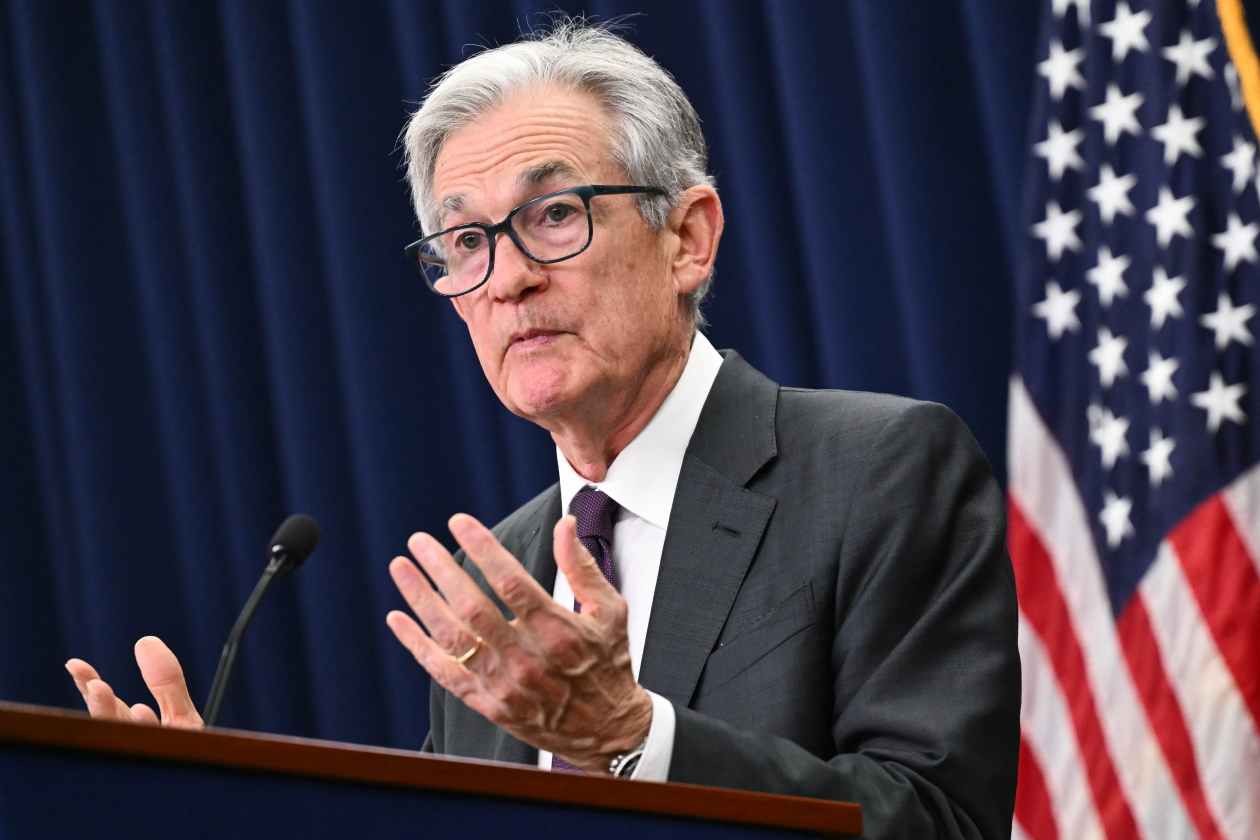
Minutes from the Federal Reserve's July meeting indicate officials generally expect near-term inflation from new tariffs, with costs likely passed to consumers, and a "few" even anticipate "stubbornly elevated inflation" due to supply chain disruptions. Despite recent weak labor market data boosting market expectations for a September rate cut, the minutes revealed limited internal support for immediate easing, with most officials preferring to await more data. This suggests a potential divergence from market dovishness, placing significant focus on Chair Jerome Powell's upcoming Jackson Hole speech for clarity on the Fed's rate path and any pushback against current market expectations.
Minutes from the Federal Reserve's July meeting reveal a notable divergence between the central bank's internal assessment and current market expectations. Officials broadly anticipate a near-term increase in inflation driven by tariffs, with a consensus that these costs will be passed on to consumers. A minority of "few" officials expressed deeper concerns that supply-chain disruptions could cause "stubbornly elevated inflation." Despite this inflationary outlook and a rare dissent in favor of a rate cut, the minutes indicate there was not a broad consensus for immediate easing in September, with most members preferring to await more data. This patient stance contrasts sharply with the market's increased bets on a September cut, which were fueled by a weak labor-market report released two days after the Fed's meeting. The situation places immense importance on Fed Chair Jerome Powell's upcoming Jackson Hole speech, which will be scrutinized for any pushback against the market's dovish pricing or hints that the weak employment data has shifted the Fed's thinking.
AI-powered research, real-time alerts, and portfolio analytics for institutional investors.
Overall Sentiment
moderately negative
Sentiment Score
-0.45
