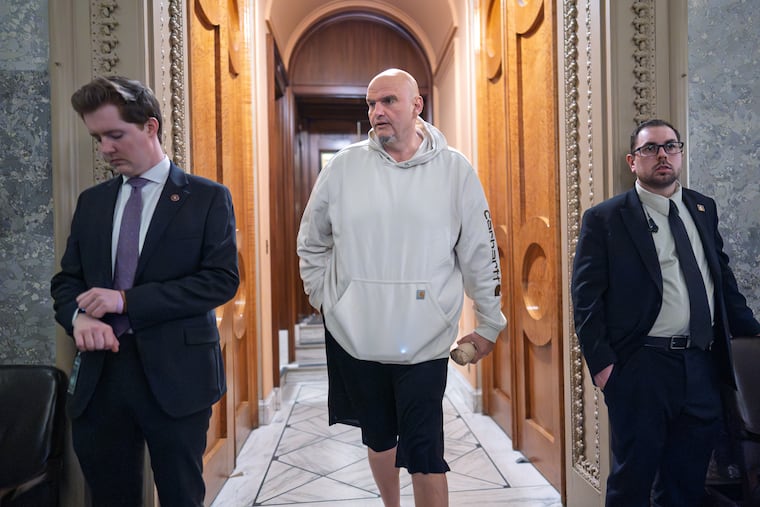
Funding for the Department of Homeland Security is set to lapse Friday after lawmakers separated DHS funding and approved only a two-week extension, and Sen. John Fetterman said he “absolutely” expects a shutdown as negotiations over immigration enforcement stall. Democrats have conditioned DHS funding on a package of 10 ICE policy changes—including bans on agents wearing masks and requiring judicial warrants for home entry—while House Democrats say they won’t accept a partial deal; a lapse risks disrupting air travel and emergency response and could leave TSA and other federal workers unpaid.
Market structure: A DHS lapse is an operational shock concentrated on travel & logistics — immediate winners are short-duration Treasuries and cash-heavy defensive names; losers are airlines (AAL, DAL, JBLU, UAL), airport service providers and small-cap regional carriers that have <30 days cash runway to absorb payroll disruption. Pricing power shifts short-term: larger network carriers with liquidity cushions will undercut smaller rivals on rebookings and routes, likely compressing regional yields by 5–15% if disruptions last >1 week.
Risk assessment: Tail risk includes an extended shutdown (>2 weeks) causing cascading cancellations, 5–10% revenue hits for exposed carriers in a quarter, and potential technical default risk for marginal regional operators; market impact window is immediate (0–7 days) for volatility and operational disruption, short-term (weeks) for revenue recognition and refunds, and long-term (quarters) for shifts in regulation and contractor spend. Hidden dependencies: payment delays to DHS contractors (IT, security) could create cross-sector cash squeezes; a competing fiscal fight could broaden risk premia in corporates.
Trade implications: Expect equity volatility spike near the Friday deadline and a short-duration flight-to-quality: bid for 2y Treasuries (10–25bp rally probable) and sell short/put-protect airline exposure; defense and government-contractor equities (RTX, GD, LDOS) are asymmetric hedges—policy-driven budget fights can increase contractor spending or delay payments but generally buoy revenues over 3–12 months. Catalysts to watch: House floor votes, White House concessions, and DHS funding extensions (dress-down within 48–72 hours of deadline).
Contrarian: Consensus assumes only transient pain; it underprices conditional credit stress among small regionals and operational KPIs (on-time performance, cancellations) that can force capacity pullbacks and raise fares 3–7% post-crisis. If shutdown is resolved within 72 hours, oversold airline equities can snap back 8–15% — so use defined-risk option structures, not naked shorts, and size to liquidity of names.
AI-powered research, real-time alerts, and portfolio analytics for institutional investors.
Request DemoOverall Sentiment
moderately negative
Sentiment Score
-0.40
