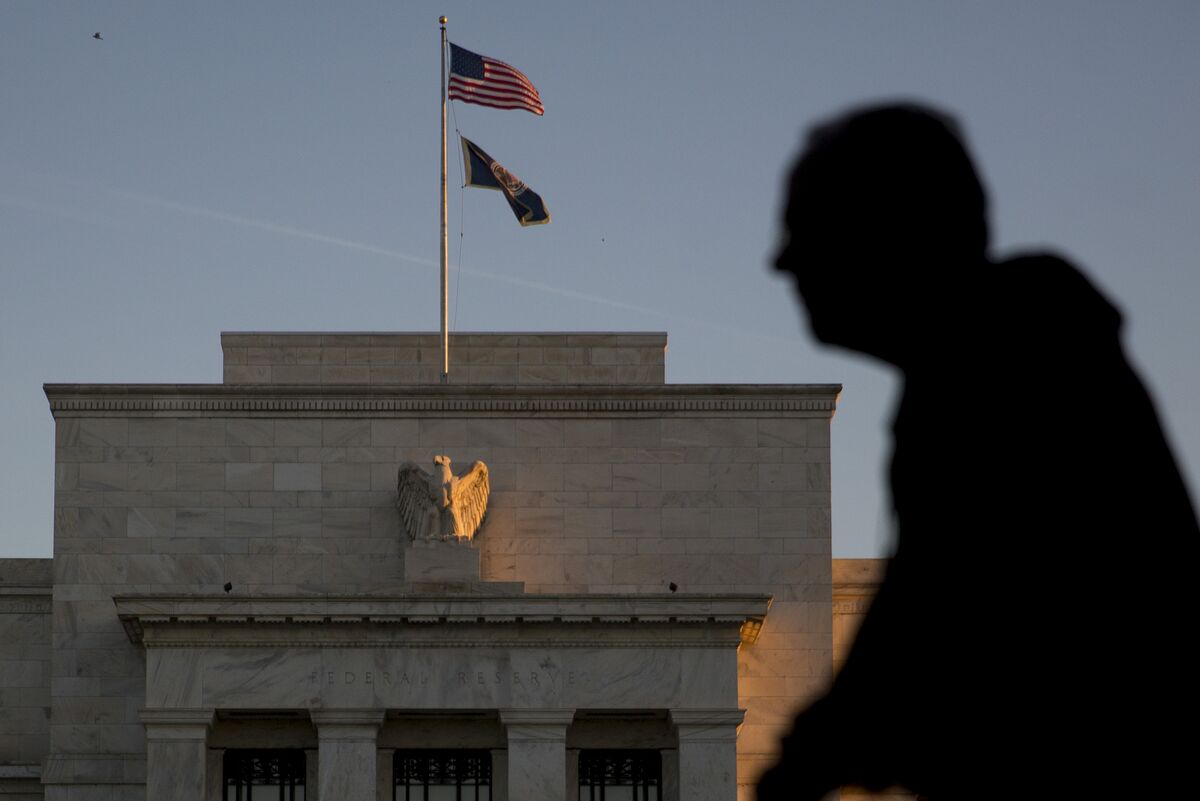
President Trump's unprecedented and escalating attacks on Federal Reserve Chair Jerome Powell, driven by his desire for deeper interest rate cuts to stimulate the economy and reduce government debt costs, risk backfiring by potentially pushing key long-term bond rates even higher, thereby negatively impacting financial markets and the broader economy with increased borrowing costs.
Unprecedented political pressure on the Federal Reserve by the Trump administration introduces a significant risk premium into the U.S. bond market. While the stated goal is to lower borrowing costs through aggressive interest rate cuts to stimulate the economy and reduce government debt service payments, the strategy risks backfiring. Escalating attacks on the Federal Reserve's independence could erode investor confidence in U.S. sovereign debt, leading market participants to demand higher compensation for holding long-term bonds. This could push long-term yields up, counteracting the intended stimulus and increasing borrowing costs for both the government and the private sector. The situation creates a direct conflict between political objectives and the stability of monetary policy, elevating uncertainty in the credit and interest rate markets with a high potential for negative market impact.
AI-powered research, real-time alerts, and portfolio analytics for institutional investors.
Request DemoOverall Sentiment
strongly negative
Sentiment Score
-0.60
