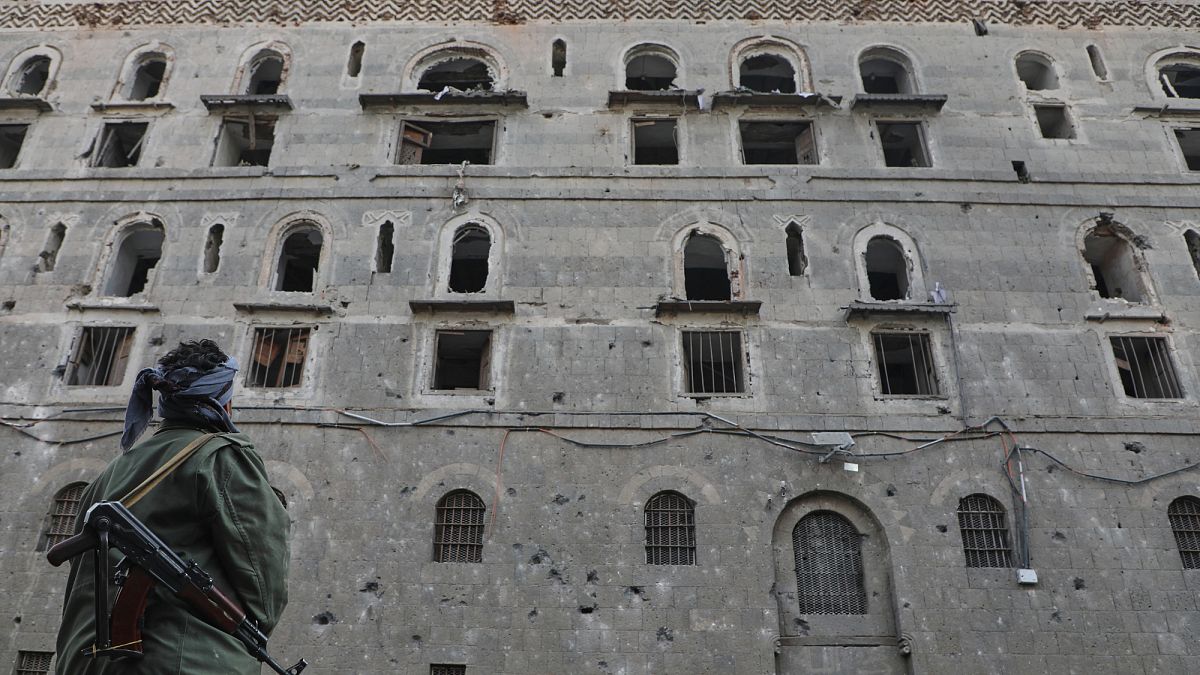
Israel conducted its 17th airstrike on Houthi military targets in Yemen, hitting camps and headquarters in Sanaa and al-Jawf, in direct retaliation for a Houthi drone attack on Israel's Ramon Airport. This latest escalation, following previous significant strikes and persistent Houthi attacks on Israel and Red Sea shipping, underscores the continued regional instability and geopolitical risk posed by the Iran-backed group.
The conflict between Israel and the Iran-backed Houthi group in Yemen has escalated significantly, with Israel conducting its 17th airstrike since November 2023 in direct retaliation for a Houthi drone attack on Ramon Airport. The Israeli strikes targeted strategic assets, including military camps, propaganda headquarters, and a fuel depot, resulting in at least 35 reported fatalities. This pattern of reciprocal attacks, which includes persistent Houthi missile launches towards Israel and disruptions to Red Sea shipping, underscores a sustained and high-stakes geopolitical confrontation. A previous attempt at a negotiated de-escalation in May has proven ineffective, as the Houthis continue targeting entities they perceive as aligned with Israel. The destruction of key infrastructure, such as Sanaa airport in May and the recent killing of the Houthi prime minister in a prior strike, indicates a conflict that is intensifying rather than abating, elevating regional instability and posing material risks to global logistics and energy supply chains.
AI-powered research, real-time alerts, and portfolio analytics for institutional investors.
Request DemoOverall Sentiment
strongly negative
Sentiment Score
-0.70
