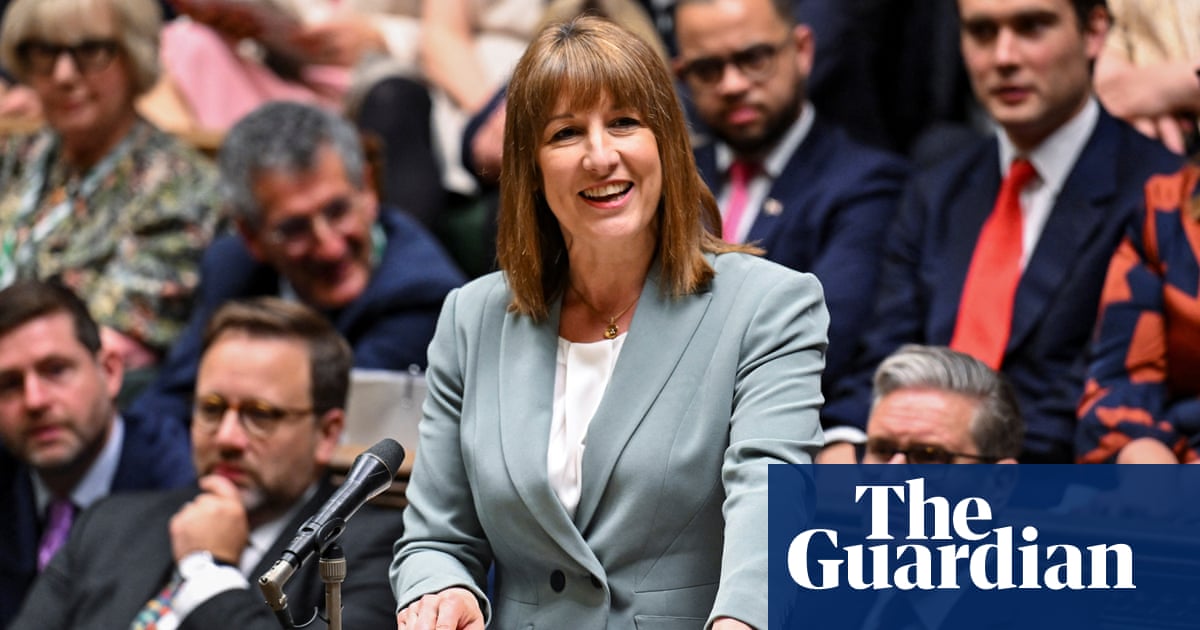
The Labour government's spending review allocates significant funding to health and defense, while other departments face real-term budget cuts. Chancellor Rachel Reeves aims to stimulate growth and regional renewal through increased investment in green energy, social housing, and transport, but economists warn that pressures on spending and a weakened economic outlook may necessitate future tax increases or welfare cuts. Despite Reeves' emphasis on fiscal responsibility, the opposition criticizes the plan as a 'spend-now, tax-later' approach, highlighting potential economic vulnerabilities.
The Labour government's recent spending review, spearheaded by Chancellor Rachel Reeves, signifies a strategic pivot towards increased infrastructure investment, amounting to a £113 billion uplift, primarily aimed at "renewing Britain" and fostering regional development. Health and defence are the principal beneficiaries, slated to receive 90% of the increase in the day-to-day budget and 80% of the capital spending boost respectively over the next three years. Significant allocations include £15 billion for transport outside London, £14.2 billion for a new nuclear power station, and a substantial commitment of nearly £40 billion over ten years to affordable housing, alongside the preservation of the £13.2 billion fund for home insulation. While overall departmental budgets are set to grow by 2.3% annually in real terms, this prioritization will result in real-term cuts for several other Whitehall departments, including the Home Office, Ministry of Housing Communities and Local Government, and the departments for culture, transport, and environment. Economists, including Paul Johnson of the Institute for Fiscal Studies and Ruth Curtice of the Resolution Foundation, acknowledge the substantial investment sums but express concerns over the tightness of day-to-day spending in non-favored areas. These concerns are amplified by existing spending pressures, such as the U-turn on winter fuel payments, and a deteriorating economic outlook, leading analysts like Andrew Goodwin from Oxford Economics to predict a high likelihood of future tax increases or further savings measures to maintain fiscal rules. The Treasury's projections already incorporate assumptions of maximum council tax hikes by local authorities (4.99% annually for three years), and the government is targeting £14 billion in efficiency savings. This fiscal strategy is set against a backdrop of political challenges, including the rise of Reform UK and public scrutiny over the tangible benefits of Labour's economic agenda, with the opposition labelling it a "spend-now, tax-later" approach.
AI-powered research, real-time alerts, and portfolio analytics for institutional investors.
Request DemoOverall Sentiment
mildly negative
Sentiment Score
-0.20
