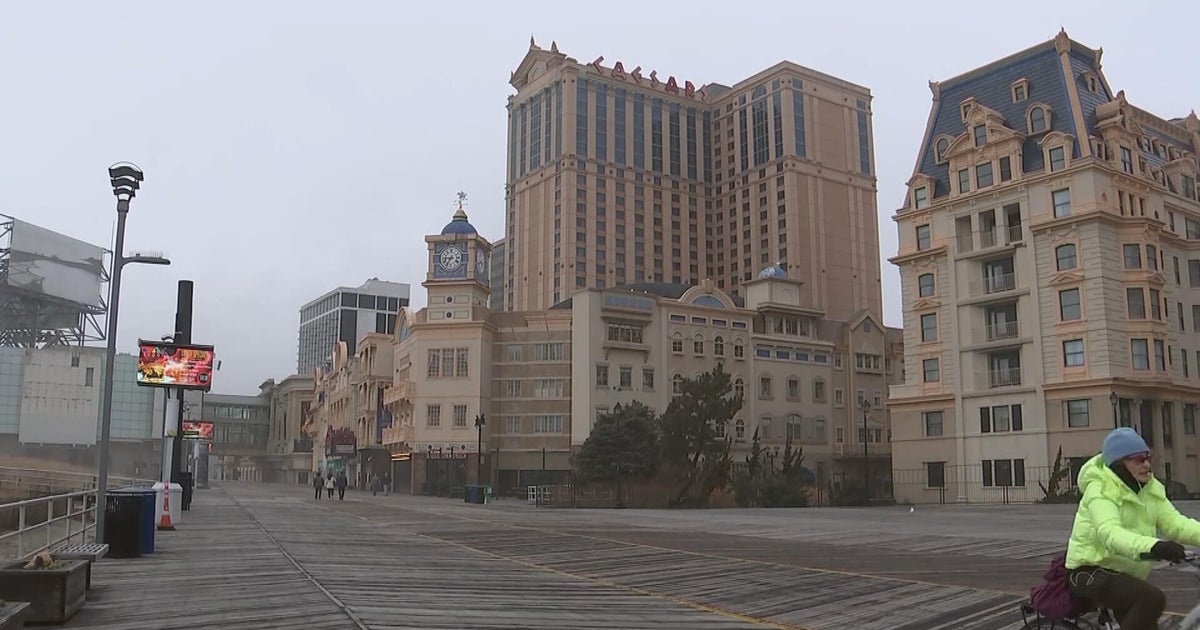
Atlantic City and nearby Ventnor are preparing for an approaching winter storm that could bring heavy snow, coastal flooding and high winds; Atlantic City Public Works has staged 28 plow trucks and reports more than 1,500 tons of salt on hand. Local officials are implementing operational measures — including parking restrictions on Ventnor Avenue to allow plowing into Monday and Tuesday — that aim to limit transportation disruption and protect shore infrastructure, though the event is expected to have minimal broader market impact beyond local tourism and short-term logistical effects.
Market structure: Near-term winners are road-salt and winter-services suppliers (Compass Minerals, CMP) and short-term natural gas sellers as heating demand spikes; losers are coastal leisure operators (Atlantic City casinos/hotels) and local logistics providers facing closures. The city-level salt inventory (1,500 tons) and 28 plows suggests localized procurement rather than national supply shock, so pricing power is concentrated at regional distributors for the next 7–21 days.
Risk assessment: Tail risks include an intensified nor'easter causing coastal flooding and insured losses that could knock 10–25% off regional leisure equities and widen small-town muni spreads by 50–150bp over 1–3 months. Immediate risks (0–7 days) are operational (closures, transport interruption), short-term (weeks) are revenue hits to weekend tourism, and medium-term (quarters) are higher insurance premiums and municipal capex needs; FEMA/state aid cadence is a key dependency.
Trade implications: Direct trades: tactical longs in CMP and short-dated natural gas bullish structures; protective shorts/put spreads on MGM/CZR for 2–4 week event risk; consider trimming coastal municipal/resort REIT exposure ahead of potential storm-related credit pressure. Cross-asset: expect modest upward pressure on NG futures, slightly wider coastal muni spreads, and elevated implied volatility in regional leisure and insurance names for 2–6 weeks.
Contrarian angles: Consensus may underprice concentrated regional demand for de-icing (CMP) while overreacting to transient leisure revenue dips—casino losses are often recaptured in subsequent weekends. Historical nor'easter patterns show quick rebounds in tourism within 2–6 weeks; mispricings likely in short-dated options on leisure names and in muni bonds issued by small shore towns where yield widening can be bought after model-confirmed damage.
AI-powered research, real-time alerts, and portfolio analytics for institutional investors.
Request DemoOverall Sentiment
neutral
Sentiment Score
-0.05
