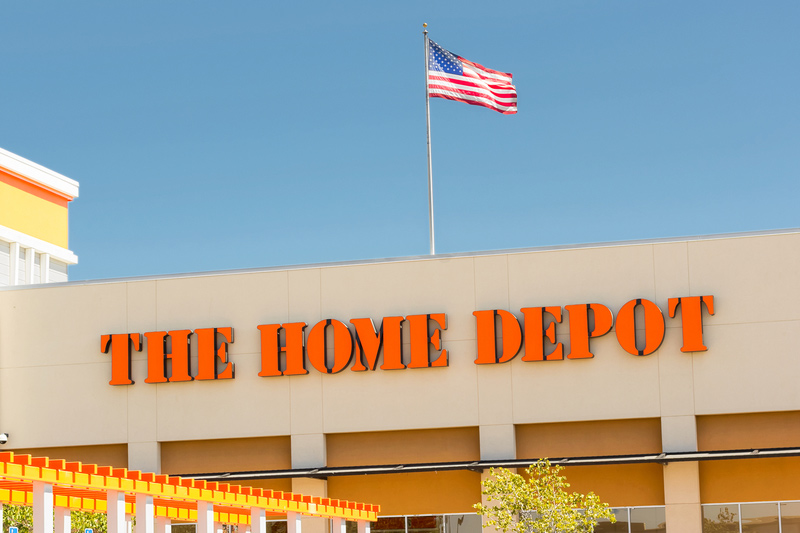
SRS Distribution’s acquisition of Mingledorff’s (42 locations) and its addition of two new verticals prompted Jefferies to say Home Depot’s TAM expands by $100 billion, while Stifel estimates the Heritage pool/landscape business generates roughly $3.9 billion and could operate standalone. Stifel kept a Hold on SiteOne (SITE) amid competitive/resource-allocation concerns; Jefferies reiterated Buy on HD with a $454 PT, UBS reiterated Buy at $450, Telsey kept Outperform, and BNP Paribas Exane cut its HD PT to $348 (Neutral). Home Depot shares trade near a 52-week low of $328.43 (down ~19% over six months) but have a 16-year streak of dividend increases and a 2.84% yield, leaving mixed near-term sentiment but potential positive longer-term structural benefits for SRS, Pool Corp and SiteOne.
SRS’s push into adjacent wholesale verticals materially alters channel economics: scaling Heritage-like operations increases bargaining leverage with OEMs, raises inventory turns sensitivity, and forces national distributors to choose between defending margin or expanding footprint. That dynamic will compress gross-margin dispersion across the sector and accelerate consolidation among specialty distributors — vendors that can’t absorb the working-capital burden will either concede price or be pushed to sell within 12–36 months.
For SiteOne and PoolCorp, the critical second-order outcome is not just addressable market growth but optionality around corporate separations and valuation re-readings. A credible indication that Heritage can run standalone would likely compress the conglomerate haircut applied by investors and could re-rate target businesses within a 6–18 month window; conversely, sustained higher capex or integration strain at the parent level will make downstream distributors look riskier despite near-term revenue tailwinds.
Key risks that can reverse the current positive skew are execution shortfalls (inventory overstretch, customer attrition from pro accounts), a sharper-than-expected demand slump in remodel/new-build cycles, or a strategic retrenchment by the retail parent if leverage targets come under pressure. Watch leading indicators: OEM pricing terms, Days Inventory Outstanding trends, capex as a percentage of sales, and any formal spin/carve-out announcements — each has a clear and fairly immediate impact on multiples and spread compression across peers.
AI-powered research, real-time alerts, and portfolio analytics for institutional investors.
Request DemoOverall Sentiment
mixed
Sentiment Score
0.05
Ticker Sentiment
