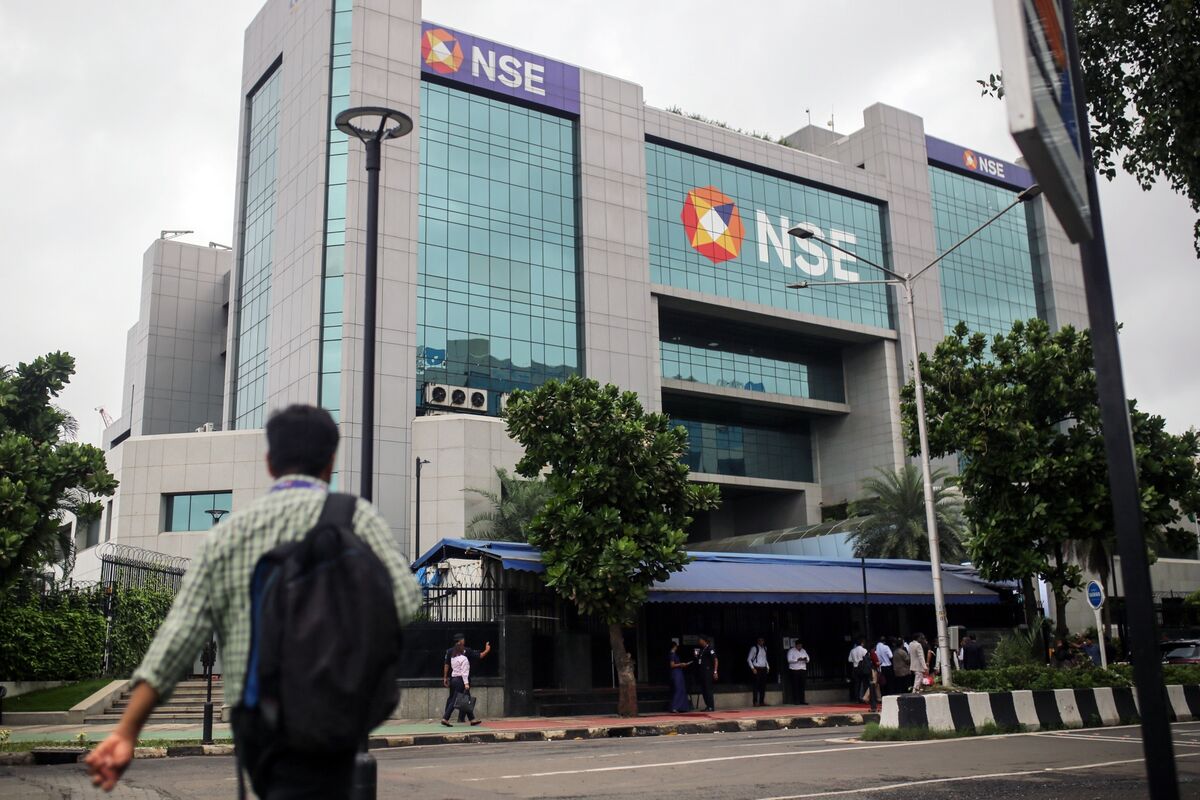
India's Nifty 50 briefly hit an intra-day record, rising as much as 0.5% after the open, but a simultaneous selloff in the Indian rupee — which plunged to a fresh record low — knocked the index back to roughly flat by the afternoon. The episode highlights tight co-movement between the rupee and equity flows; despite the intraday reversal, the Nifty remains up about 11% year-to-date, while currency weakness poses downside risk to market momentum and investor positioning.
Market structure: A weakening INR is an unambiguous short-term positive for large exporters (IT: INFY.NS, TCS.NS; Pharma: SUNPHARMA.NS) because ~60–70% of revenue is dollar-linked, while importers and domestically exposed cyclicals (autos, airlines, oil importers) take an earnings hit from higher input costs. FX-driven volatility tends to compress domestic financials’ multiples as FIIs reduce unhedged equity exposure; Nifty in INR terms can underperform in the near term even if index-level EPS improves in USD terms. Cross-asset: expect bid for USD, gold (GLD/Physical India) and US Treasuries; 1–3 month INR weakness typically raises short-term borrowing costs and can widen CDS by 20–50bp if sustained.
Risk assessment: Tail risks include a sharp FPI exit (10–15% of monthly flows) or an RBI policy surprise (rates +25–50bp or FX intervention via reserves/sales) which could snap-reverse INR moves and equities. Immediate (days): volatility spikes, FX forwards widen; short-term (weeks–months): earnings translation benefits for exporters; long-term (quarters): imported inflation could pressure margins and consumer demand. Hidden dependencies: energy price shocks amplify INR stress; corporate USD debt maturities over next 12 months create refinancing risk. Catalysts: monthly FPI data, RBI minutes, CPI and Brent > +10% in 30 days.
Trade implications: Tactical hedges now — buy 1–3 month NIFTY put spreads (protect 3–7% downside for 3–5% of equity AUM) and buy USDINR 3-month call options or NDFs sized to cover 50% of Fx exposure (target strikes +2–3% out). Long-select exporters: establish 2–3% positions in INFY.NS and TCS.NS (12–18 month horizon) as natural dollar hedges; short domestic cyclicals like INDIAN AIRLINES/auto suppliers or take a 1–2% short in HDFCBANK.NS for sensitivity to FPI reversals. Rotate into gold: add 2–4% GLD or local gold ETC over 1–4 weeks.
Contrarian angles: Consensus treats INR weakness as persistent — history (2013 taper tantrum, 2018) shows quick rebounds after RBI verbal/FX intervention; if RBI spends $10–20bn reserves or hikes +25–50bp, the market reprices rapidly and exporters’ currency gains can reverse. The selloff may overshoot in domestic-discretionary stocks; opportunistic buys in high-ROIC, low-USD-debt staples (HUL.NS, Nestle India) at 5–10% discounts could be attractive. Watch FPI net flows, RBI reserve change, and 2-month correlation between USDINR and NIFTY; reallocate if correlation breaks by >30%.
AI-powered research, real-time alerts, and portfolio analytics for institutional investors.
Request DemoOverall Sentiment
moderately negative
Sentiment Score
-0.30
