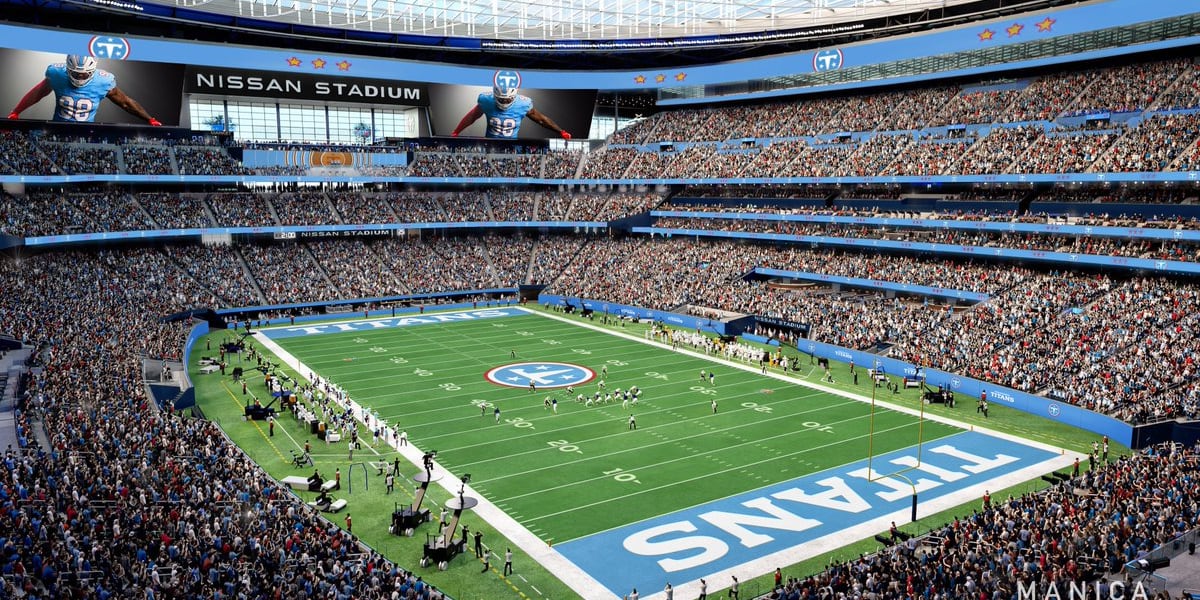
Nashville will host Super Bowl LXIV in 2030, the first Super Bowl ever held in Tennessee, with the game expected at the new Nissan Stadium. Officials highlighted a projected hotel base of about 658 hotels and at least 80,000 rooms by 2030, plus the event’s long-tail tourism and marketing benefits. The article frames the Super Bowl as a major boost for hospitality, transit, and downtown infrastructure, though the near-term market impact is limited.
The main investable read-through is not the event itself, but the multi-year forced upgrade cycle around Nashville’s hospitality, mobility, and payments stack. Large one-off events create a step-change in utilization for hotels, airport throughput, transit, parking, food service, and short-duration labor; the bigger second-order effect is that operators tend to lock in vendor contracts and capex that persist well beyond the game, so the real monetization window is 2028-2031 rather than the headline year. The new stadium’s proximity to downtown also makes “last-mile convenience” the scarcer asset than raw room supply, which should favor asset-light infrastructure and payment rails over pure lodging exposure.
AMZN is the cleanest public-market beneficiary from the walk-in concessions model because this is a reference case for frictionless retail in a captive venue with high per-cap spend and low tolerance for queue time. If the venue performs as advertised, the network effect is not the single stadium; it becomes a template for airports, convention centers, and other large venues, which is a longer-duration revenue optionality than the market usually assigns to a single partnership announcement. The market is likely underappreciating the conversion of “fan convenience” into a broader enterprise sales pipeline for Amazon’s logistics and retail tech stack.
The more interesting contrarian angle is that the biggest winners may be regional operators that can solve density, not the obvious national consumer names. Super Bowl week tends to compress pricing power into a short window, but if Nashville overbuilds rooms ahead of 2030, occupancy gains may be muted while ancillary spend still rises, meaning hotel EBITDA leverage could disappoint relative to headline visitor counts. That argues for selective exposure to infrastructure and venue tech rather than chasing broad leisure beta.
Tail risks are execution and crowd-control, not demand. Any security or transportation failure would shift the narrative from “destination upgrade” to “operational overhang,” which can pressure local permitting, insurance, and event-booking economics for years. The catalyst path is gradual: planning milestones, stadium opening, then proof points from earlier marquee events that validate Nashville’s ability to monetize the asset without degrading the visitor experience.
AI-powered research, real-time alerts, and portfolio analytics for institutional investors.
Request DemoOverall Sentiment
moderately positive
Sentiment Score
0.35
Ticker Sentiment
