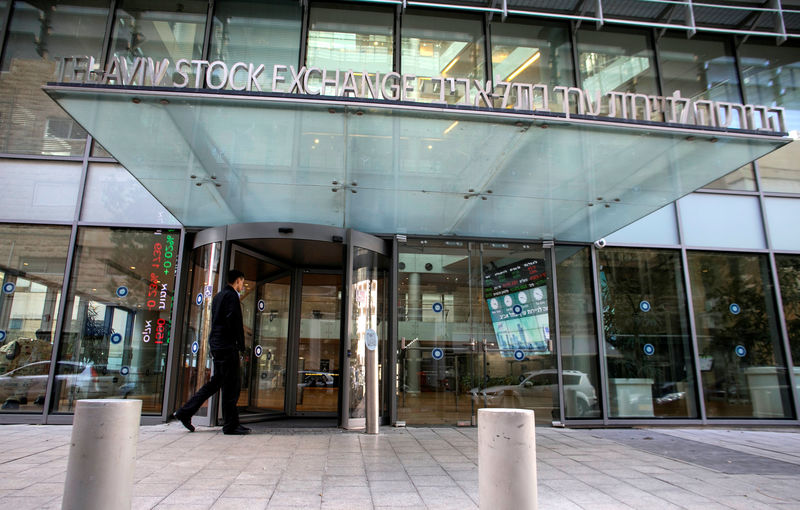
Brent futures jumped 4.95% to $108.54/bbl (nearing $110) after an attack on Iran's largest natural gas field, with WTI crude for May up 1.83% to $97.28 — a material commodity shock that increases market volatility. Israel's TA-35 closed +1.24%; Navitas Petroleum rallied 5.06% to an all-time high of 13,500, Camtek +5.40% and Delek +5.01%, while Elbit fell 3.21%. FX and macro moves were modest: USD/ILS +0.29% to 3.10 and the US Dollar Index Futures +0.24% at 99.57, suggesting sectoral (energy/commodities) rather than broad-market directional impact in the immediate term.
A geopolitical shock that drives commodity price volatility changes real-economy cashflows in the near term and capital-allocation decisions over the next 3–12 months. Higher energy costs act like a regressive tax on consumers and small advertisers first, compressing discretionary ad demand and CPI-sensitive mobile monetization metrics within a single quarter, which directly pressures AppLovin-style ad stacks more than long-cycle software vendors. Separately, rising power costs increase the marginal value of performance-per-watt in compute purchasing decisions. Vendors that can deliver denser, more energy-efficient server solutions (board+chassis-level optimizations, liquid-cooling optionality) gain share when customers perform TCO refreshes; that structural pull can accelerate multi-quarter order flow for server OEMs even if headline IT capex is slowing. Market-structure secondaries: flows into energy/commodity assets often come at the expense of cash balance allocations and growth momentum trades, increasing volatility and correlation breakdowns between “AI hardware” and “adtech” cohorts. Currency moves and regional disruptions amplify collection risk for ad networks with high exposure to price-sensitive geographies, while inventory-backed hardware suppliers face margin compression only if component lead-times suddenly improve. Key reversals: a diplomatic de-escalation or coordinated SPR release can unwind the commodity shock within weeks and quickly restore ad demand, reversing the short-adtech thesis. Conversely, a persistent 3–6 month premium on energy will crystallize TCO-driven hardware replacement cycles and favor energy-efficient OEMs; monitor GPU supply cadence and cloud capex guidance as the two fastest-confirming indicators.
AI-powered research, real-time alerts, and portfolio analytics for institutional investors.
Overall Sentiment
mixed
Sentiment Score
0.05
Ticker Sentiment
