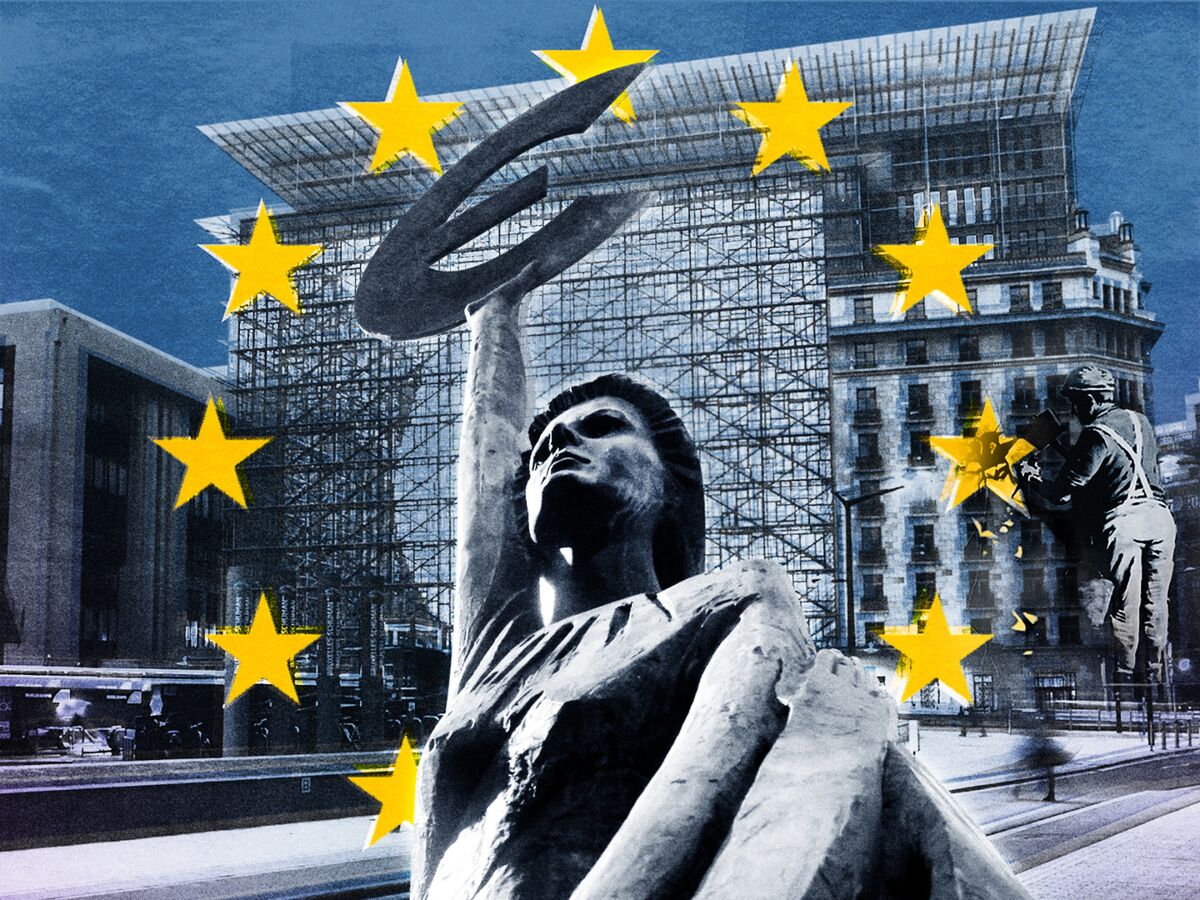
European foreign ministers, convening in Brussels to discuss the Middle East, find themselves largely sidelined and with diminished influence over Iran policy. Once key players in nuclear negotiations, Europe has been marginalized under the Trump administration, evidenced by exclusion from G-7 discussions and failed diplomatic efforts. This underscores a significant shift in geopolitical dynamics, where European powers exert reduced leverage in critical international affairs, potentially signaling increased unilateralism and heightened geopolitical risk.
The gathering of European foreign ministers in Brussels underscores a significant erosion of the EU's geopolitical influence, particularly concerning the escalating situation between the US and Iran. Once central to nuclear negotiations, European powers are now described as 'sidelined' and 'marginalized' under the Trump administration, a status confirmed by their exclusion from key G-7 discussions and the failure of recent diplomatic overtures in Geneva. This shift points to a more unilateral approach by the United States, leaving European allies with diminished power to shape outcomes in the Middle East. The 'strongly negative' sentiment and 'pessimistic' tone associated with this development highlight heightened geopolitical risk, as the lack of a cohesive Western diplomatic front increases unpredictability and the potential for conflict escalation.
AI-powered research, real-time alerts, and portfolio analytics for institutional investors.
Request DemoOverall Sentiment
strongly negative
Sentiment Score
-0.60
