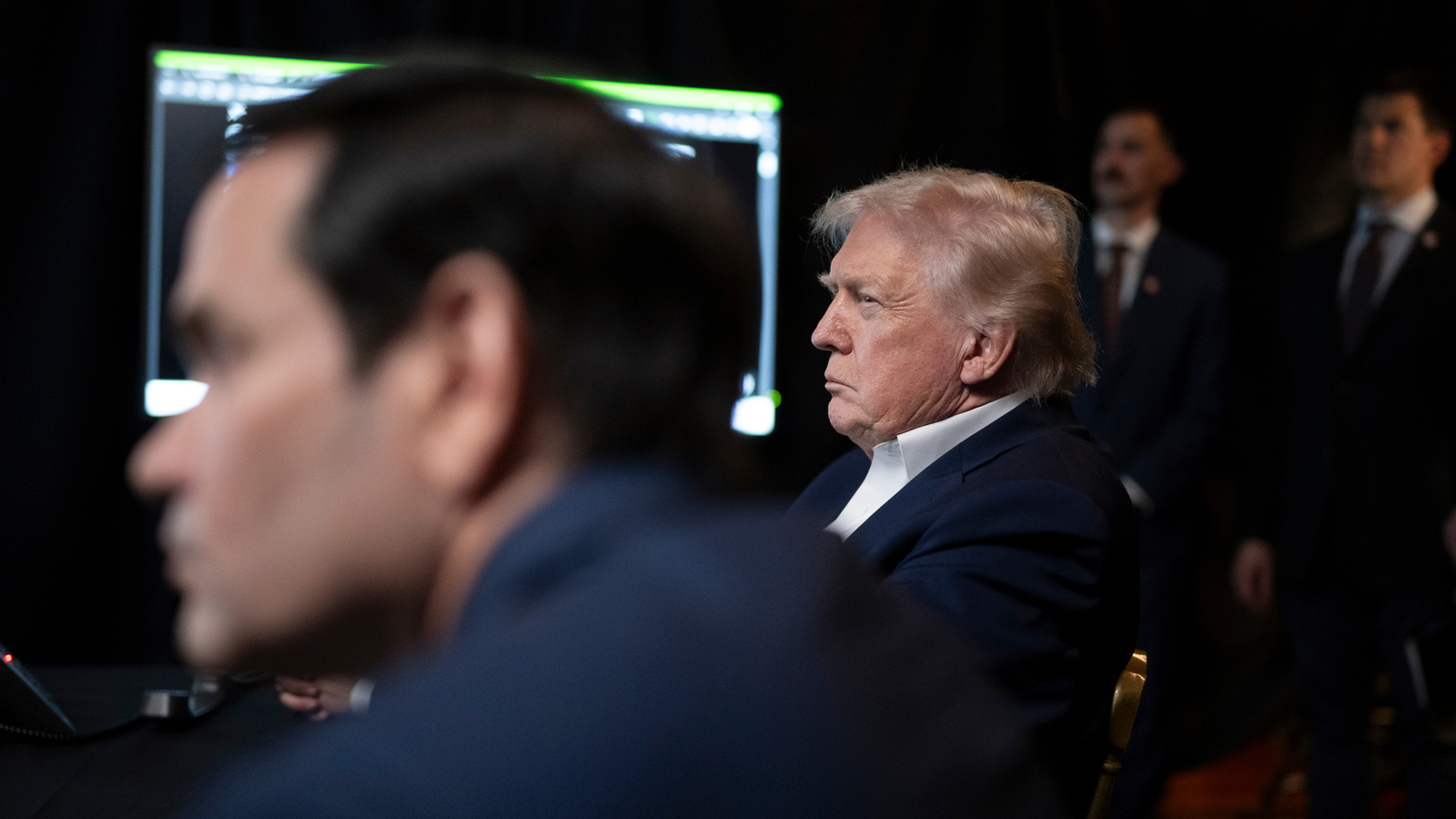
President Trump publicly asserted the U.S. would “run” Venezuela after Nicolás Maduro’s ouster, but Administration comments — notably from Secretary of State Marco Rubio — and anonymous officials reveal contradictory messaging and limited evidence of post‑removal planning beyond use of sanctions. Policymakers appear to be relying on oil‑sector sanctions and pressure on criminal networks rather than preparations for occupation or an interim governing authority, raising significant political-risk and operational uncertainty for Venezuelan assets and regional energy stability. For investors, the episode elevates tail‑risk around Venezuelan oil flows, sanctions regimes and contagion for emerging‑market exposures while signaling potential longer‑term U.S. entanglements in the region and the Middle East.
Market structure: A short, messy U.S. intervention or coercive sanctions regime increases near-term pricing power for liquid crude suppliers and refiners while depressing Latin American sovereign credit and EM capital flows. If Venezuelan output (currently ~0.6 mbpd) falls another 0.2–0.4 mbpd on disruption or sanctioning of buyers, expect a 3–7% move higher in WTI within 30–90 days and widened oil/E&P stock dispersion.
Risk assessment: Tail risks include a protracted occupation or major sabotage that removes >0.5 mbpd from the market pushing Brent >$100 (low probability, high impact) and asymmetric geopolitical blowback (cyber, secondary sanctions) that widens EM CDS by 200–500bps. Short-term (days) = volatility spikes; 1–6 months = energy prices and EM spreads re-price; 1–3 years = fiscal/defense budget effects and re-alignment of buyers (India/China) altering OPEC+ dynamics.
Trade implications: Favor tactical long exposure to energy-refinery and defense equities and protection on EM assets; prefer option-defined risk in oil and EM puts to avoid event beta. Cross-asset: expect USD and gold bid, US real yields uptick if inflation fears rise; curve flattening risk if fiscal/defense costs accelerate.
Contrarian angles: Consensus assumes brief, limited U.S. role; markets under-price the leverage of sanctions/asset freezes to reshape flows over 6–18 months — that benefits discounted heavy-crude buyers and insurers. Conversely, overreaction in EM equities could present 20–30% mean-reversion opportunities if diplomatic settlement occurs within 3–6 months.
AI-powered research, real-time alerts, and portfolio analytics for institutional investors.
Request DemoOverall Sentiment
moderately negative
Sentiment Score
-0.35
