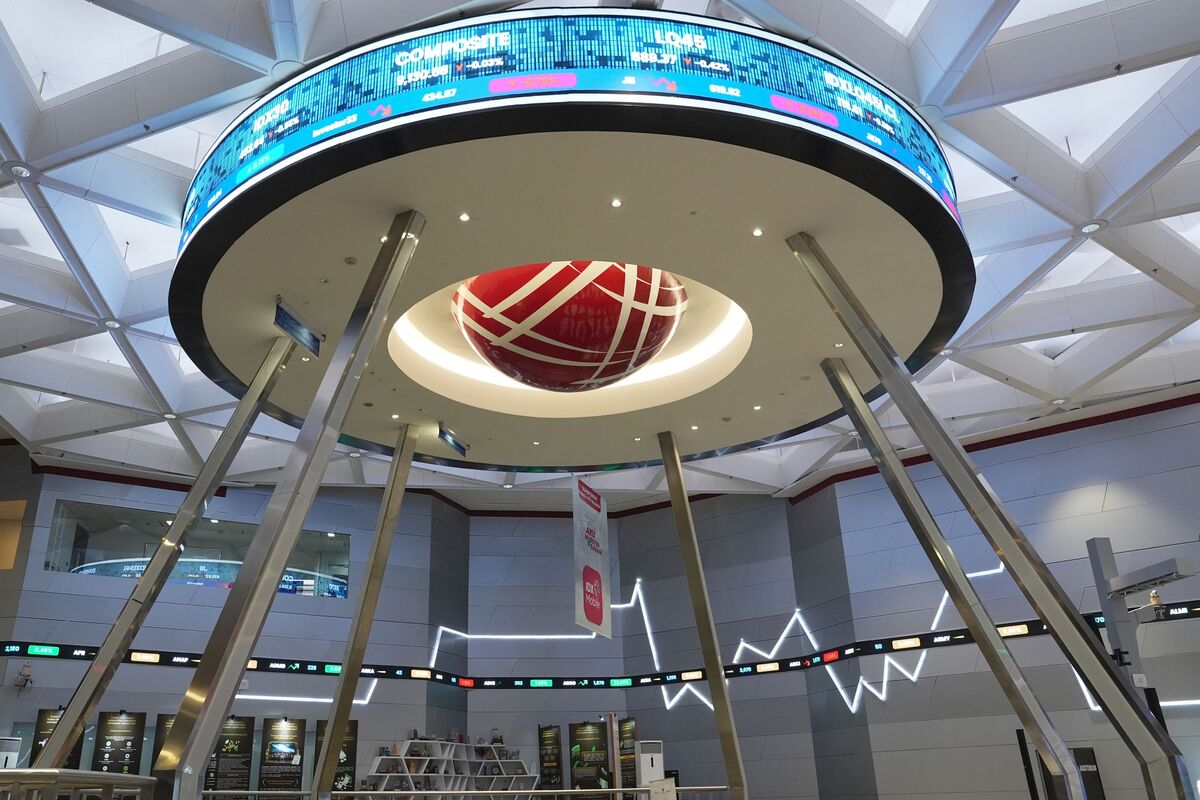
Global funds sold a net $1.2B of Indonesian equities in one day — the largest foreign outflow since 2005 — likely driven by two block trades totaling about $1.1B in PT FAP Agri shares. The moves coincided with heightened scrutiny over ownership after MSCI investability concerns, increasing risk-off pressure on Indonesian market flows.
The current episode amplifies a durable arbitrage between index-driven liquidity and corporate governance: when index investors mark down investability, forced sellers hit the most concentrated, low-free-float names first and liquidity evaporates, creating outsized realized volatility for a handful of issuers. If names representing a few percentage points of an index weight are flagged, passive-selling can translate into mid-single-digit billions of targeted flows over a review window, producing price moves that exceed fundamentals by multiples in the short run.
Second-order winners are liquid, well-governed large caps and domestic-facing financials that can soak marginal retail and local institutional demand; losers are concentrated family-controlled small caps, their suppliers (fertilizer, seedlings, local haulage) and short-duration credit providers who see collateral values gap. The market technical creates a bid for index-eligible replacements and for anything that offers higher free float — expect a 15–30% relative valuation swing between “clean” large caps and flagged small caps during the next 1–3 months.
Key catalysts and time horizons: immediate days–weeks for liquidity and volatility driven by block trades and stop-limits; weeks–months for index-provider reviews and potential reclassifications; and 6–24 months for corporate governance fixes, free-float increases or policy interventions that permanently reprice risk. Reversals will be binary: a targeted governance fix or an index-provider clarification can restore passive demand quickly, while domestic investor buybacks or sovereign support can cap downside but may take months to materialize.
AI-powered research, real-time alerts, and portfolio analytics for institutional investors.
Overall Sentiment
mildly negative
Sentiment Score
-0.35
Ticker Sentiment
