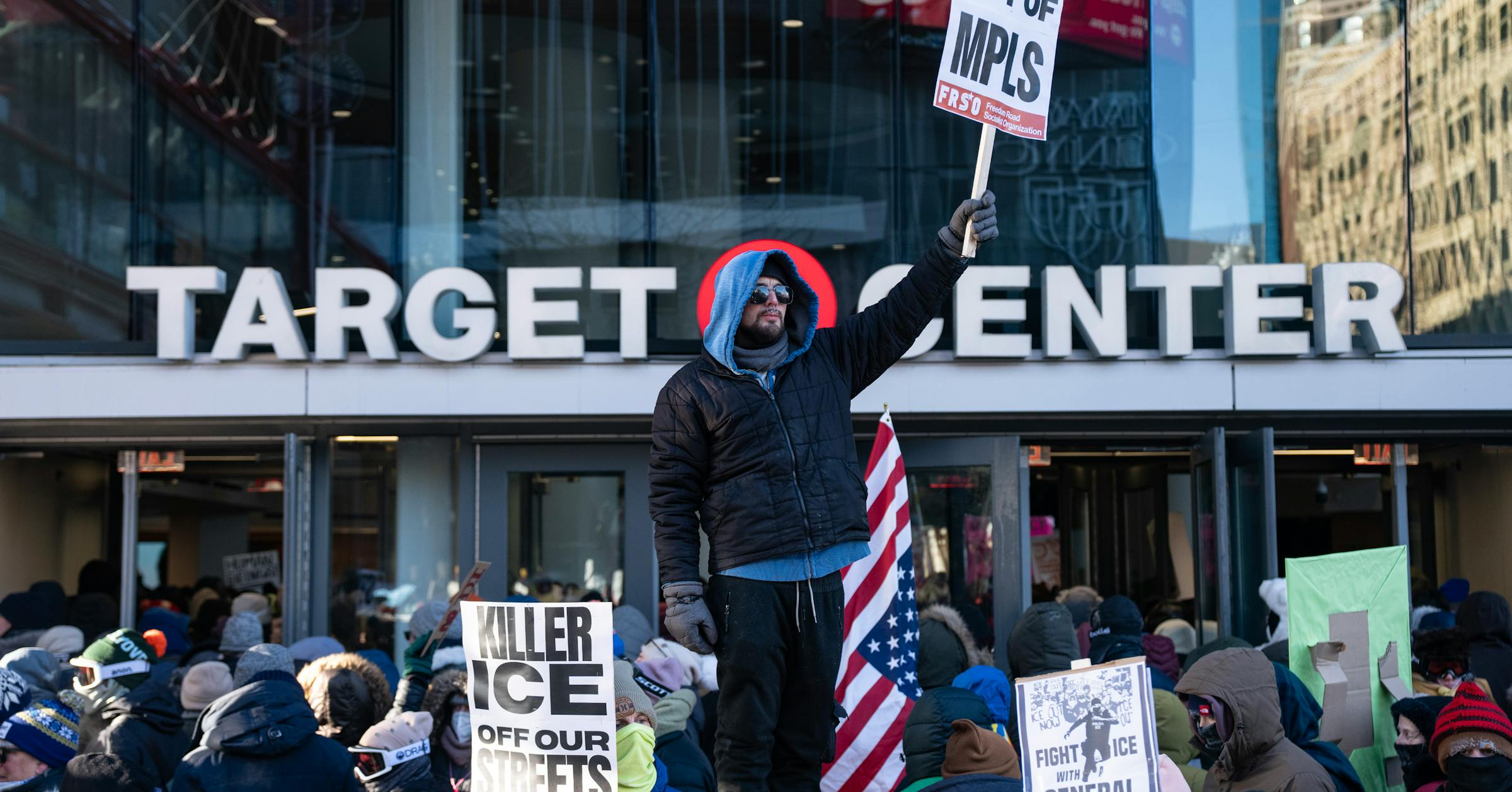
A letter-to-the-editor condemns a PR statement from Minnesota CEOs as hollow and argues corporate reticence stems from fallout after a high-profile Target boycott over LGBTQ-themed merchandise, noting larger competitors (Amazon, Walmart, Costco) typically avoid public engagement. The author frames this corporate silence as a risk to business given what they describe as a deteriorating rule-of-law environment—citing alleged abuses by law enforcement and federal actions—and urges corporate leaders to take clearer stances to protect operations and civil order.
Market structure: The episode increases idiosyncratic reputational risk for national retailers and raises dispersion across TGT, AMZN, WMT and COST; winners are scale-driven, low-margin leaders (COST, WMT) that rely on membership/price immunity, losers are brands with concentrated demographics or higher discretionary exposure (Target-style risk). Pricing power shifts marginally toward discounters and membership models — expect Costco to sustain 100–200 bps better gross-margin stability through 2026 vs specialty peers. Cross-asset: expect a near-term lift in equity options IV for targeted tickers (+20–40% relative), modest widening of retail IG credit spreads (~10–25 bps if contagion), and negligible FX/commodity impact absent macro spillover.
Risk assessment: Tail risks include viral nationwide boycotts or localized store disruptions that produce 5–10% sales shocks for exposed retailers and potential state-level regulatory actions around store operations or data requests. Immediate (days): elevated news/IV volatility and foot-traffic gyrations; short-term (weeks–months): 1–3% EPS revisions for exposed names into Q1 results; long-term (quarters–years): permanent brand erosion driving mix to e-commerce/warehouse clubs. Hidden dependencies: store geography (red/blue state mix), membership renewal cycles, and social-media sentiment amplification.
Trade implications: Favor convex, defensive exposure to COST and selective short/hedges on AMZN/WMT where sentiment is overstated — implement pair trades to capture relative dispersion over 3–12 months. Use options to size risk: 3-month put spreads on AMZN/WMT to hedge headline risk at limited cost; sell covered calls on long COST positions to finance downside protection. Rotate 2–4% portfolio weight from discretionary retail into staples/warehouse clubs and increase cash/options allocation to exploit volatility spikes around earnings and political news.
Contrarian angles: The market underestimates how silence can itself catalyze backlash; consensus “avoid politics” trade may be short-lived and create buying opportunities after knee-jerk sell-offs (histor parallel: Target 2023 recovery within 6–9 months). Reaction appears uneven — AMZN/WMT downside priced more than fundamentals justify, while COST underappreciated; unintended consequence: boycotts often concentrate spending among core customers, producing faster-than-expected recovery for well-capitalized chains.
AI-powered research, real-time alerts, and portfolio analytics for institutional investors.
Request DemoOverall Sentiment
moderately negative
Sentiment Score
-0.35
Ticker Sentiment
