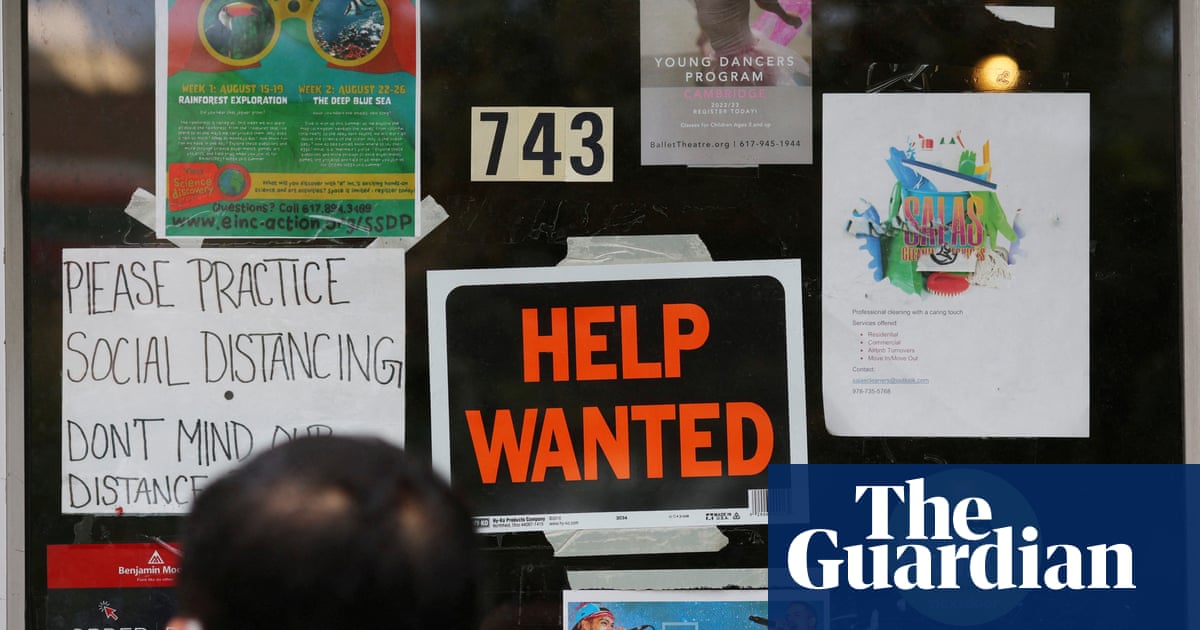
The Bureau of Labor Statistics announced a significant downward revision of 911,000 jobs for the year to March 2025, a figure 50% higher than last year's adjustment, intensifying concerns about the US labor market's health. This substantial correction, which saw the unemployment rate rise to 4.3% and notably impacted leisure and hospitality, professional services, and retail trade, suggests a weaker underlying employment picture than previously reported. While such revisions are part of the BLS's regular process to incorporate comprehensive administrative data, their magnitude underscores a decelerating economic environment despite political scrutiny.
The U.S. labor market is showing more significant signs of deterioration than initially reported, following the Bureau of Labor Statistics' (BLS) substantial downward revision of 911,000 jobs for the year to March 2025. This adjustment is 50% larger than the prior year's and aligns with the higher end of Wall Street estimates, confirming a weaker underlying economic trend. The revision compounds concerns raised by a lackluster August jobs report, a revised job loss of 13,000 for June—the first negative print since December 2020—and an unemployment rate that has climbed to a multi-year high of 4.3%. The weakness appears broad-based, with the largest downward revisions concentrated in key cyclical sectors including leisure and hospitality (-176,000), professional and business services (-158,000), and retail trade (-126,200). While the BLS characterizes these revisions as a standard and transparent part of its process to incorporate more comprehensive data, the political environment introduces a layer of non-fundamental risk. The firing of the BLS commissioner by the White House highlights the potential for political rhetoric to create market uncertainty around the credibility of future economic data releases, even as these figures are set for further revision in February 2026.
AI-powered research, real-time alerts, and portfolio analytics for institutional investors.
Overall Sentiment
strongly negative
Sentiment Score
-0.70
