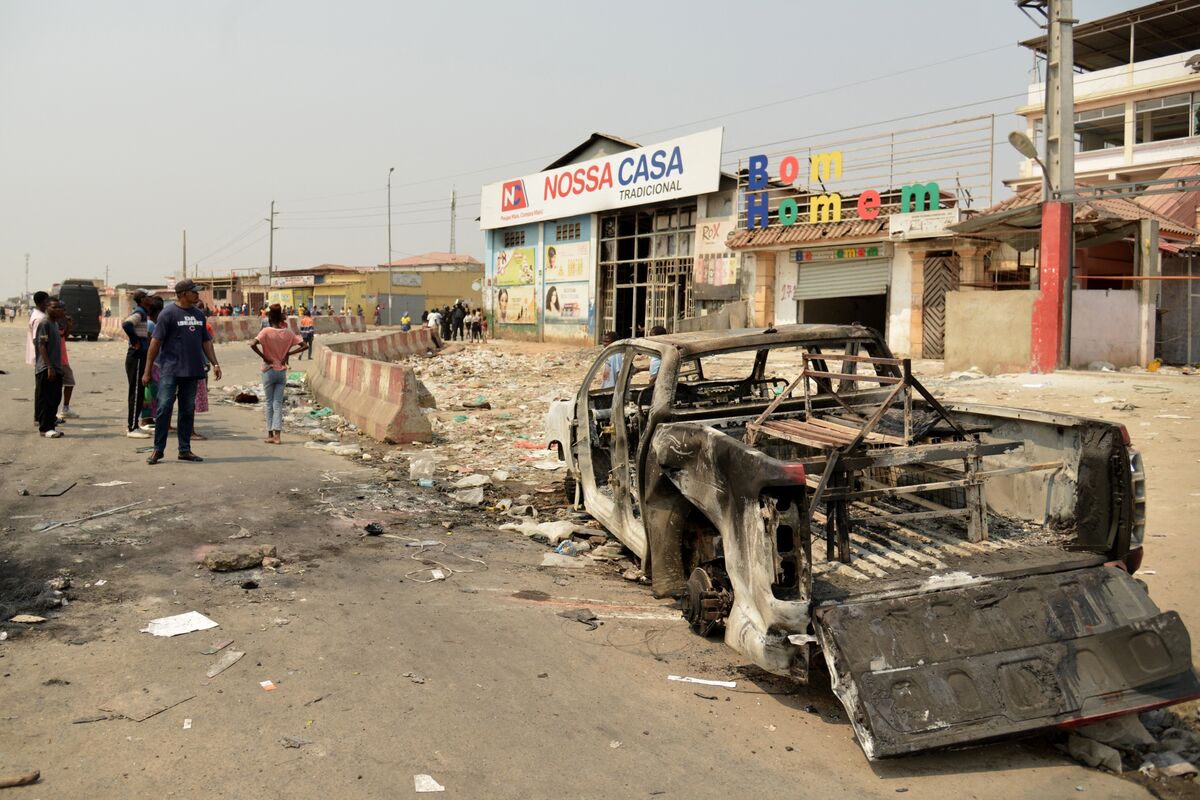
Angola has ruled out further fuel price increases for the foreseeable future, following deadly protests earlier this year sparked by subsidy cuts. Finance Minister Vera Daves de Sousa indicated the government will first evaluate the impact of previous cuts and assess efficiency improvements in sectors that benefited from subsidies, such as agriculture and fisheries, before considering additional reforms, signaling a cautious approach to fiscal policy amidst social sensitivity.
The Angolan government has suspended further increases in fuel prices, signaling a significant pause in its fiscal reform agenda. This decision, as articulated by Finance Minister Vera Daves de Sousa, is a direct response to the deadly street protests that followed initial subsidy cuts earlier in the year, highlighting the acute political and social risks associated with austerity measures. The government will now prioritize evaluating the economic impact of the previous cuts and assessing efficiency gains in key sectors like agriculture before proceeding. This introduces uncertainty into the timeline for fiscal consolidation, a critical factor for investors in Angolan sovereign assets. While the move may temporarily de-risk the political environment and support social stability—explaining the mildly positive sentiment—it underscores the challenges of implementing structural reforms and suggests the path to further fiscal discipline will likely be slower and more cautious than previously anticipated.
AI-powered research, real-time alerts, and portfolio analytics for institutional investors.
Request DemoOverall Sentiment
mildly positive
Sentiment Score
0.35
