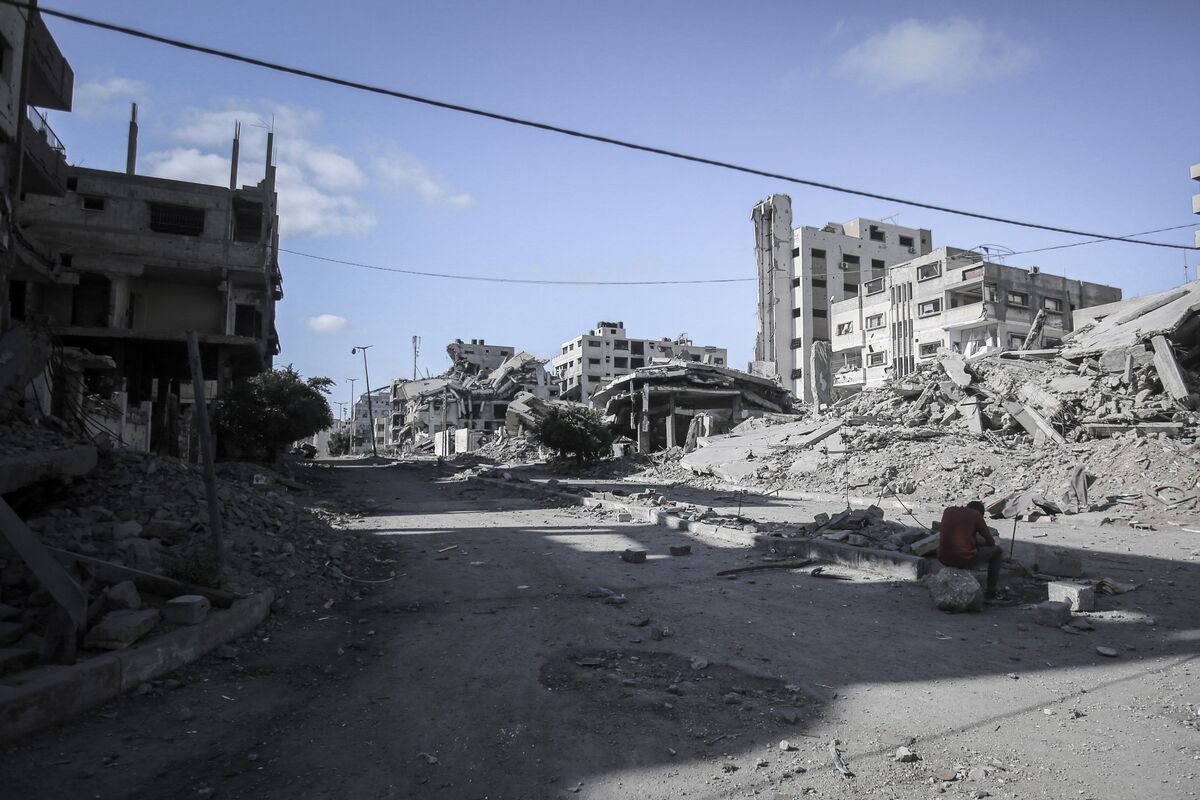
Euro-zone inflation accelerated to 2.2% in September, reinforcing expectations for stable ECB rates, while the US is pushing for global bank rule changes that could increase capital requirements for major European lenders, causing initial share declines for firms like BNP Paribas. Geopolitically, the EU plans to utilize €140 billion from frozen Russian central bank assets, risking Russian retaliation, as Hamas faces pressure to accept a US-backed Gaza plan. Meanwhile, Saudi oil exports surged to an 18-month high, and a US-sanctioned Congolese firm's court win for a tantalum deposit complicates critical mineral supply efforts.
The financial landscape is currently shaped by significant regulatory and geopolitical crosscurrents. A primary point of friction is the US push to revise global bank capital rules, which threatens to increase the risk scores and capital surcharges for major European lenders like BNP Paribas by reclassifying their intra-euro-zone activities as cross-border. This potential change, which saw BNP's shares fall, contrasts with a stabilizing European macroeconomic picture where Euro-zone inflation has accelerated to 2.2%, reinforcing expectations that the European Central Bank will maintain steady interest rates. In geopolitics, the EU's plan to leverage €140 billion from frozen Russian central bank assets introduces a material risk of retaliatory nationalization of foreign-owned assets in Russia. Simultaneously, critical mineral supply chains face uncertainty following a Congolese court ruling that favors a US-sanctioned firm's claim to a major tantalum deposit, potentially complicating US efforts to secure strategic resources. Elsewhere, Italy's fiscal position shows signs of improvement, with its budget deficit expected to meet the EU's 3% GDP ceiling, while Saudi Arabia's oil exports have reached an 18-month high.
AI-powered research, real-time alerts, and portfolio analytics for institutional investors.
Overall Sentiment
Negative
Sentiment Score
-0.40
Ticker Sentiment
