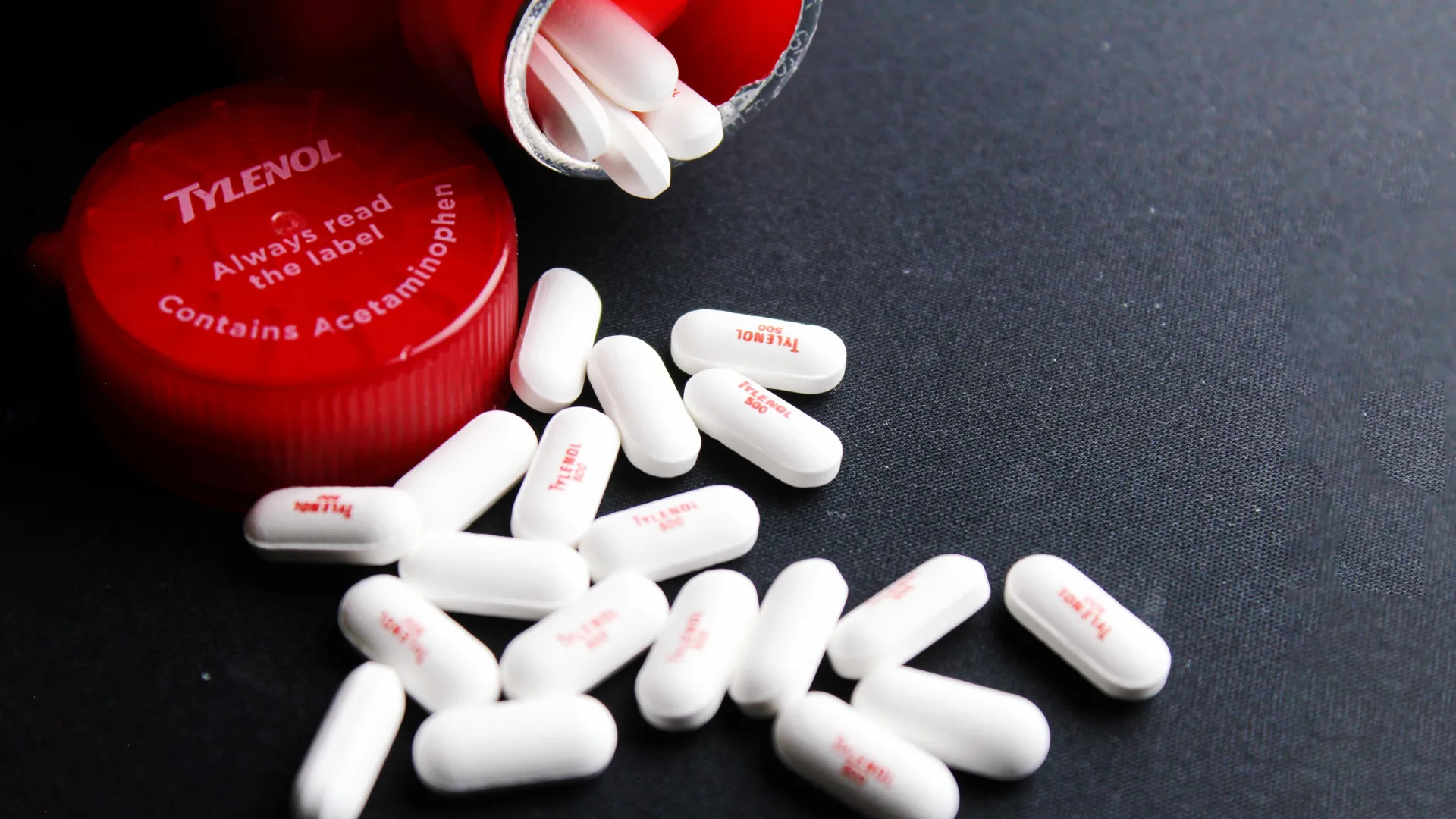
Acetaminophen overdose is a major U.S. public‑health problem—about 56,000 emergency visits and ~2,600 hospitalizations annually, responsible for nearly half of acute liver failure cases and roughly 20% of liver transplants. Researchers at the University of Colorado and Denver Health are conducting a randomized, double‑blind phase II proof‑of‑concept trial testing fomepizole added to standard acetylcysteine to reduce liver injury in high‑risk overdoses, with enrollment across multiple hospitals targeting ~40 participants in 12–18 months. The trial addresses a key limitation of acetylcysteine (markedly less effective if given more than eight hours after overdose) and, if positive, would justify larger studies to evaluate survival and transplant outcomes.
Market structure: OTC consumer-health incumbents (Kenvue - KVUE, Perrigo - PRGO, P&G) are exposed to demand resilience but also to regulatory risk if policymakers pursue pack-size limits or stronger labeling; a UK-style pack limit could lop ~3–8% off category sales over 12–24 months based on historical UK net impact. Hospitals and acute-care providers (HCA, UNH network exposure, Baxter BAX for IV therapeutics) capture steady ER volumes and downstream procedures (transplants), insulating them from OTC headline risk and potentially increasing short-term revenue from severe overdose cases.
Risk assessment: Tail risks include FDA advisory committee action or congressional hearings within 6–18 months leading to mandatory new labeling/pack limits (low-probability but high-impact for OTC players), and an unexpected positive phase II readout for fomepizole that materially reduces transplant rates (would compress long-term hospital/liver-transplant demand). Hidden dependencies: retail pharmacy shelf placement and bundling (multi-symptom combos) concentrate exposure—if insurers or PBMs push alternatives, margin pressure could be front-loaded in 3–9 months.
Trade implications: Near-term (0–3 months) favor modest long exposure to hospital/acute care (HCA, BAX) and defensive KVUE; short selective OTC manufacturers (PRGO) via options if regulatory chatter rises. If the phase II trial (target N≈40, 12–18 month enrollment) reports a ≥30% reduction in peak ALT or significant transplant avoidance, rotate 1–2% into specialty pharma participants or suppliers of fomepizole within 30 days of readout.
Contrarian angles: Consensus will underweight the regulatory path and overemphasize autism noise; the market is likely underpricing the probability of modest regulatory tightening (10–25% over 12–24 months). Conversely, positive fomepizole data is an underappreciated binary that could shift treatment protocols but would likely benefit niche suppliers, not large OTC brands—avoid broad sector bets until actual trial data or FDA signals.
AI-powered research, real-time alerts, and portfolio analytics for institutional investors.
Request DemoOverall Sentiment
neutral
Sentiment Score
0.00
